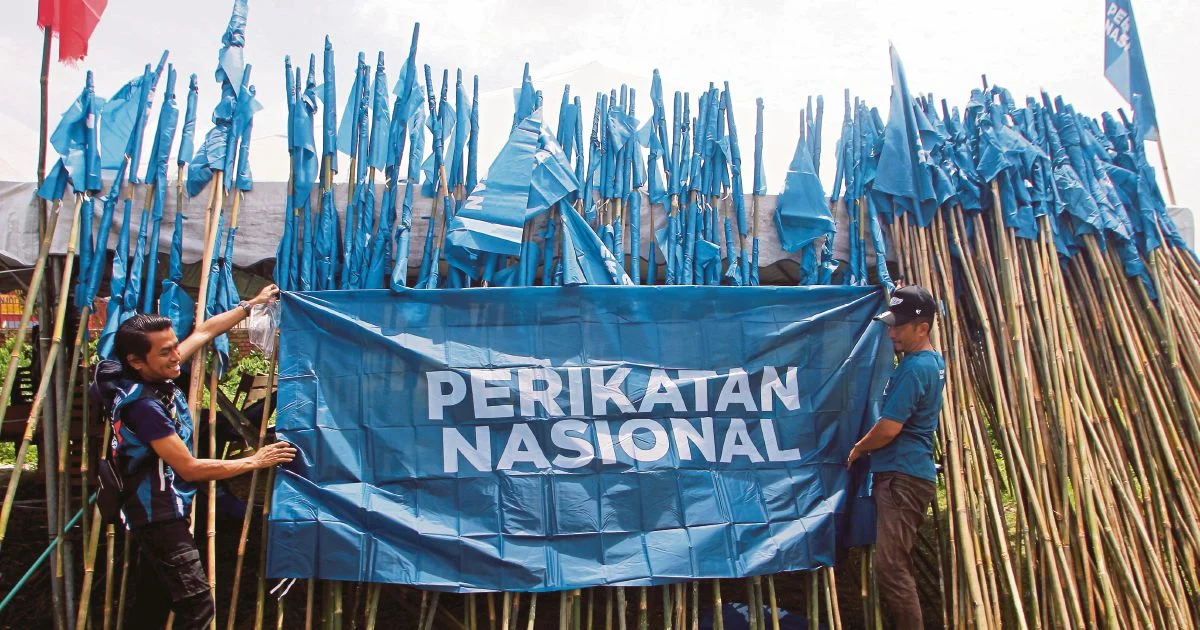
The Perikatan Nasional coalition has convened its Supreme Council for a high-stakes meeting on June 22, marking an attempt to resolve longstanding tensions that threaten the stability of the opposition alliance ahead of critical electoral contests. The session, to be held in Kota Baru, will tackle a range of contentious matters that have festered within the bloc's leadership, with the use of the coalition's official logo and the selection and backing of election candidates sitting at the centre of the agenda.
These unresolved issues underscore the mounting complexity of managing a multi-party coalition in Malaysian politics. Perikatan Nasional, comprising PAS, Bersatu, and other affiliated parties, has increasingly struggled to present a unified front, particularly as general and state elections loom and member parties manoeuvre to maximise their individual electoral returns. The disagreement over logo usage reflects deeper anxieties about brand identity and political visibility—a critical concern when voter recognition and party symbolism play outsized roles in election outcomes. Coalition members worry that improper logo deployment or insufficient branding could dilute their electoral messaging or inadvertently benefit rival factions within the alliance.
The question of candidate endorsements cuts even deeper into the coalition's organisational fabric. In Malaysia's competitive political landscape, endorsement disputes typically reveal conflicting ambitions among coalition members regarding seat allocation, prioritisation of certain candidates, and the balance of power within the bloc. When parties cannot agree on which candidates represent the coalition or whether local figures receive official backing, it creates an opening for internecine conflict and public confusion among voters. This has likely contributed to growing frustration within Perikatan Nasional's ranks, particularly among smaller member parties who fear marginalisation in favour of dominant partners.
For Malaysian observers, the timing of this meeting carries significance. The calling of a Supreme Council session in June suggests that the coalition's leadership has recognised the urgency of settling these disputes before campaigning intensifies. Any delay in resolving logo and candidate issues could translate into chaotic campaigns where coalition messages clash or contradict, undermining the credibility of the opposition bloc as a cohesive alternative government. In previous Malaysian elections, such internal disarray has proven costly, allowing competitors to exploit divisions and sway undecided voters.
The coalition's difficulties also illuminate a broader challenge confronting opposition politics in Malaysia. Unlike ruling coalitions, which benefit from institutional machinery and resources to enforce party discipline, opposition alliances depend heavily on voluntary cooperation and shared ideological commitment. Perikatan Nasional's member parties—each with distinct constituencies, leadership structures, and electoral objectives—must constantly balance the collective good against individual party interests. When these incentives misalign, as appears to be happening with logos and endorsements, the entire coalition's effectiveness erodes.
Regionally, Perikatan Nasional's travails resonate with challenges facing other multi-party coalitions across Southeast Asia. Political alliances in the region frequently struggle with similar issues: how to distribute benefits equitably, how to maintain unity whilst respecting member autonomy, and how to present coherent messaging to voters. Malaysia's experience offers lessons for alliance management elsewhere, demonstrating that structural mechanisms for resolving disputes must be established and enforced before crises emerge.
The June 22 meeting will test whether Perikatan Nasional possesses the institutional maturity to navigate these tensions. Success would require establishing clear protocols for logo usage, developing transparent criteria for candidate endorsements, and perhaps instituting binding mechanisms to prevent future disputes. Failure to achieve consensus could accelerate existing fragmentation, with member parties pursuing separate electoral strategies or even exploring alternative alliances. Such an outcome would significantly weaken the opposition's ability to mount a credible challenge to the ruling coalition.
Particularly notable is how these internal conflicts play out publicly in Malaysia's media-saturated environment. Voters observing coalition disharmony may question whether an opposition alliance can effectively govern, given its apparent inability to manage internal relationships. This perception can prove as damaging as actual policy disagreements, undermining public confidence in the coalition's readiness for power.
The stakes extending from this June 22 session therefore transcend procedural matters. The meeting will effectively determine whether Perikatan Nasional can remain a viable political force capable of contesting elections credibly, or whether festering disputes will precipitate its gradual dissolution. Coalition leaders arriving in Kota Baru will carry not only the weight of immediate disputes but also the future viability of opposition politics in Malaysia. How they negotiate the logo question and candidate endorsements will send unmistakable signals to party members, potential allies, and voters regarding the coalition's coherence and commitment to unified electoral competition.