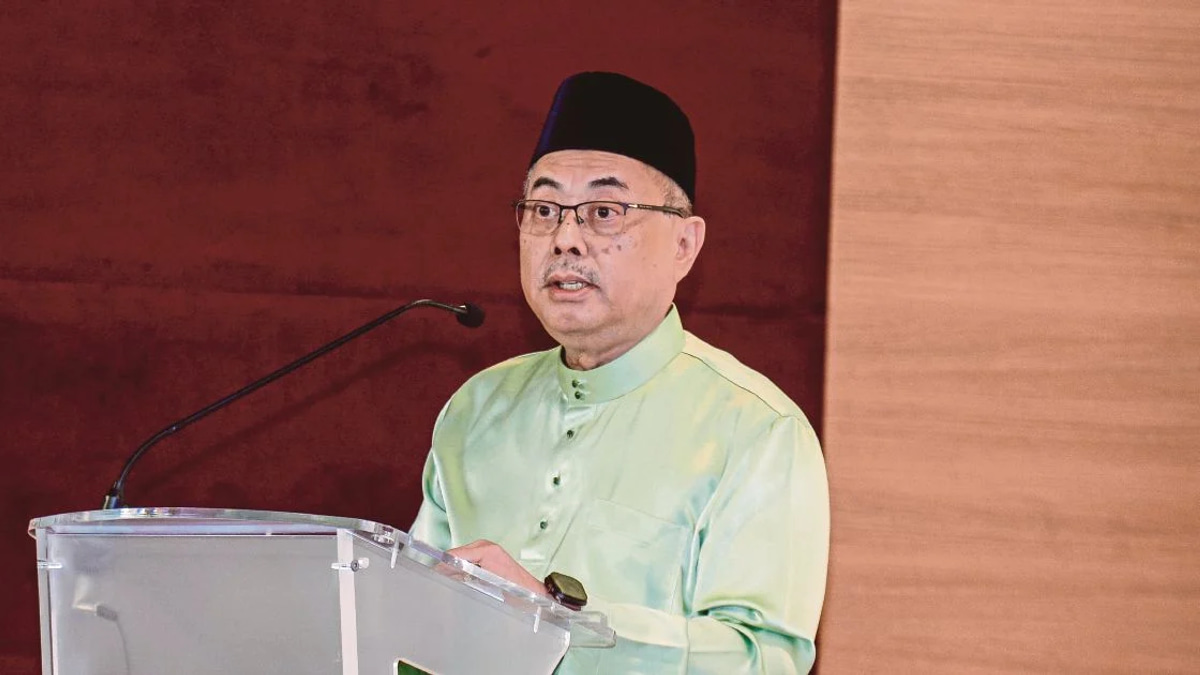
Minister in the Prime Minister's Department (Federal Territories) Hannah Yeoh has stressed that Putrajaya must maintain exemplary standards of cleanliness and safety without wavering, underscoring the importance of these fundamentals as the federal administrative capital experiences sustained growth in visitor numbers. Speaking in Kuala Lumpur, Yeoh signalled that managing the capital's reputation as a well-maintained, secure destination requires consistent vigilance and accountability across all responsible agencies.
The emphasis on cleanliness and safety standards reflects broader concerns about infrastructure adequacy in Putrajaya as its role as a visitor destination has intensified. The city, which was envisioned as a purpose-built administrative centre when its development began in the mid-1990s, has increasingly positioned itself as a tourism and leisure hub alongside its core function as the seat of federal government. This dual mandate creates operational pressures that demand sophisticated management systems to balance competing demands on public spaces, utilities, and security resources.
Yeoh's statement arrives amid escalating expectations from both domestic and international visitors regarding public space management. Malaysian citizens and tourists alike have become more vocal about facility standards, environmental cleanliness, and personal safety—factors that significantly influence visitor satisfaction and repeat visitation. Cities across Southeast Asia have witnessed how maintenance lapses can rapidly damage reputational capital, making proactive standards management not merely an administrative formality but a strategic imperative for national image-building.
The federal territories fall under direct ministerial oversight, granting Yeoh's portfolio considerable authority in shaping governance frameworks and resource allocation. This centralised control structure offers advantages in coordinating multi-agency responses, yet it also concentrates accountability when standards slip. By publicly reiterating the non-negotiability of cleanliness and safety benchmarks, Yeoh signals to municipal departments, security agencies, and contractors that performance expectations are clearly articulated at the highest administrative levels.
Putrajaya's growing visitor numbers reflect Malaysia's broader tourism strategy, which seeks to diversify beyond traditional beach and nature-based attractions. The capital's architectural landmarks, cultural institutions, and events programming have successfully attracted day-trippers and extended-stay tourists, generating economic activity through hospitality, retail, and food services. However, this success creates maintenance demands that proportionally increase with visitor volume—more foot traffic generates more waste, greater wear on facilities, and amplified security considerations.
The safety dimension carries particular weight in Malaysia's competitive positioning within regional tourism markets. Neighbouring destinations have invested substantially in security infrastructure and public safety protocols, recognising that traveller confidence directly correlates with visitation rates. Yeoh's emphasis on safety standards tacitly acknowledges that any perception of inadequate security measures—whether real or imagined—can rapidly erode visitor confidence and trigger negative international coverage affecting broader economic interests.
Implementing and sustaining rigorous standards requires operational frameworks that extend beyond seasonal adjustment. Permanent staffing models, preventative maintenance schedules, waste management systems, and security protocols must operate continuously regardless of visitor numbers or budgetary pressures. Yeoh's framing of these standards as non-negotiable suggests that agencies cannot invoke resource constraints or cyclical demand variations as justifications for reduced performance, placing implicit pressure on budget allocation processes to adequately fund operational requirements.
The statement also reflects Malaysia's broader positioning within regional governance narratives. Federal capitals across Asia have become laboratories for demonstrating administrative competence and modern governance capabilities. Putrajaya's physical appearance and functional efficiency serve as tangible representations of state capacity—visitors develop impressions of Malaysian governance partly through their experience navigating and utilising public spaces in the capital. From this perspective, cleanliness and safety transcend operational concerns to become strategic instruments of political legitimacy and national image-building.
For neighbouring Southeast Asian nations, Malaysia's approach to managing visitor-driven pressures on administrative capitals offers comparative lessons. Thailand, Indonesia, and the Philippines similarly balance capital city functions with tourism development, yet face varying degrees of challenge in maintaining infrastructure standards under strain. Yeoh's principled stance on non-negotiable standards suggests Malaysia intends to distinguish itself through consistent, reliable facility management—a potentially valuable competitive advantage in regional tourism markets where reliability perceptions influence destination selection.
Looking forward, translating ministerial directives into sustained operational outcomes requires sophisticated performance management systems that extend throughout the administrative hierarchy. Regular auditing, transparent accountability mechanisms, and responsive corrective procedures must operate seamlessly to convert high-level standards articulation into daily implementation. Yeoh's comments thus implicitly establish performance benchmarks against which future governance outcomes in Putrajaya can be evaluated by both citizens and international observers seeking evidence of Malaysian administrative capability.
%22%2F%3E%3C%2Fpattern%3E%3C%2Fdefs%3E%3Crect%20width%3D%22100%25%22%20height%3D%22100%25%22%20fill%3D%22url(%23ph5qj07g)%22%2F%3E%3Crect%20width%3D%22100%25%22%20height%3D%22100%25%22%20fill%3D%22url(%23ph5qj07p)%22%2F%3E%3Ctext%20x%3D%2250%25%22%20y%3D%2250%25%22%20text-anchor%3D%22middle%22%20dominant-baseline%3D%22central%22%20fill%3D%22rgba(255%2C255%2C255%2C0.95)%22%20font-family%3D%22Georgia%2C%20'Times%20New%20Roman'%2C%20serif%22%20font-weight%3D%22700%22%20font-size%3D%22194%22%20letter-spacing%3D%22-0.02em%22%3ETeacher%3C%2Ftext%3E%3C%2Fsvg%3E)
%22%2F%3E%3C%2Fpattern%3E%3C%2Fdefs%3E%3Crect%20width%3D%22100%25%22%20height%3D%22100%25%22%20fill%3D%22url(%23ph2tbzvg)%22%2F%3E%3Crect%20width%3D%22100%25%22%20height%3D%22100%25%22%20fill%3D%22url(%23ph2tbzvp)%22%2F%3E%3Ctext%20x%3D%2250%25%22%20y%3D%2250%25%22%20text-anchor%3D%22middle%22%20dominant-baseline%3D%22central%22%20fill%3D%22rgba(255%2C255%2C255%2C0.95)%22%20font-family%3D%22Georgia%2C%20'Times%20New%20Roman'%2C%20serif%22%20font-weight%3D%22700%22%20font-size%3D%22136%22%20letter-spacing%3D%22-0.02em%22%3EProsecuti%E2%80%A6%3C%2Ftext%3E%3C%2Fsvg%3E)