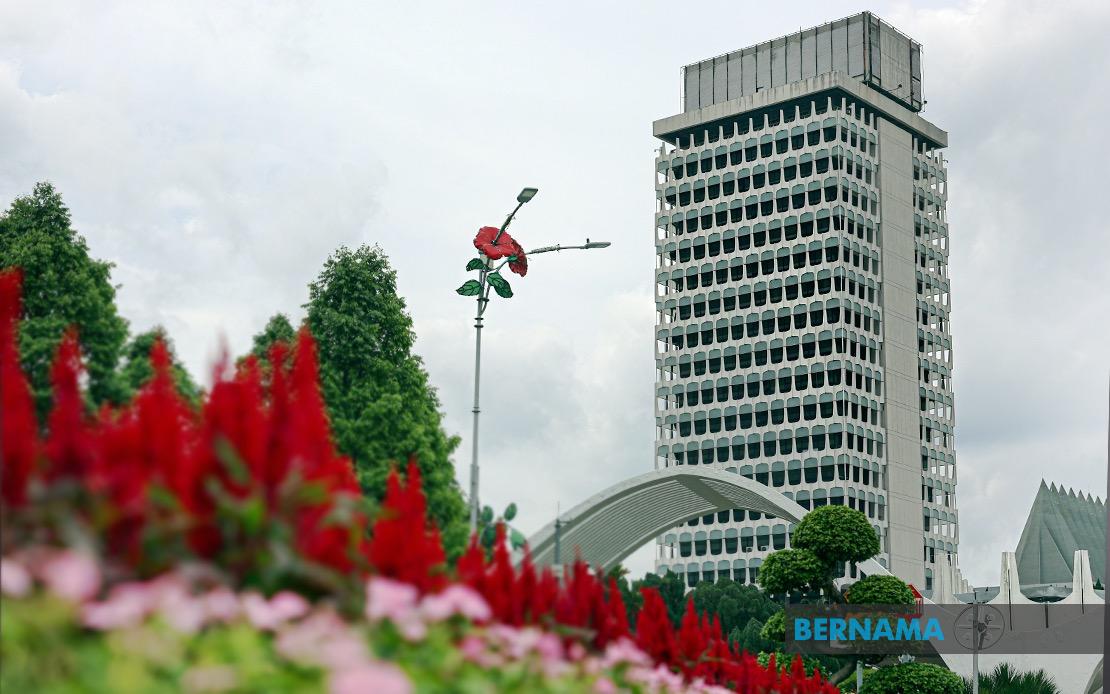
His Majesty Sultan Ibrahim, King of Malaysia, has formally granted royal assent to eight bills that were passed during the parliamentary session conducted between January and early March. The approval marks the final constitutional step required to transform these bills into enforceable legislation affecting multiple sectors of the Malaysian economy and public administration. Dewan Rakyat Speaker Tan Sri Johari Abdul made the announcement before Parliament resumed question time, signalling the completion of these legislative initiatives.
Among the bills receiving royal approval is the Government Procurement Act 2025, which represents a significant overhaul of how Malaysian government agencies acquire goods and services. This legislation establishes new frameworks for transparent tendering processes and vendor accountability, critical reforms in an economy where public procurement spending represents a substantial portion of annual government expenditure. The act aims to strengthen public financial management and reduce opportunities for irregularities in how taxpayer money is spent across federal and state-level procurement activities.
Immigration and border management have received legislative attention through two complementary pieces of legislation. The Immigration (Amendment) Act 2025 and the Passports (Amendment) Act 2025 both received royal assent, indicating Parliament's focus on modernising Malaysia's immigration framework. These amendments likely address emerging challenges in international mobility, visa processing efficiency, and passport security standards that have become increasingly important as regional travel patterns evolve across Southeast Asia and beyond.
The International Settlement Agreements Resulting from Mediation Act 2025 represents Malaysia's commitment to international dispute resolution mechanisms. This legislation enables Malaysian parties involved in cross-border disputes to utilise mediation-based settlement frameworks that have gained prominence in international commerce. For Malaysian businesses engaged in regional trade, particularly in sectors like manufacturing, commodities, and services, this act provides legal clarity on the enforceability of settlement agreements reached through mediation rather than litigation.
Transportation and infrastructure development feature prominently in the approved bills. The Johor Bahru-Singapore Rapid Transit System (RTS) Link Act 2026 establishes the legal framework for this landmark cross-border infrastructure project connecting two major economic centres. The RTS Link represents a transformative initiative for Johor and Singapore, facilitating seamless passenger movement and reducing congestion on the Causeway and Second Link. For Malaysian commuters and businesses operating across the border, this legislation formalises institutional arrangements essential for the project's implementation and operation.
The Capitation Grant Act 2026 addresses educational funding mechanisms within Malaysia's schooling system. Capitation grants represent a significant portion of per-student funding for government schools, and this legislation likely introduces reforms to how these resources are allocated and distributed. Educational administrators and school management bodies will operate under renewed statutory requirements that presumably enhance accountability and equitable resource distribution across different states and school categories.
Environmental protection received legislative reinforcement through the Environmental Quality (Amendment) Act 2026. This amendment to existing environmental legislation reflects Malaysia's ongoing commitment to managing ecological challenges and maintaining compliance with international environmental standards. As Southeast Asia confronts issues ranging from air quality and water pollution to waste management and biodiversity conservation, updated environmental legislation serves as the foundational instrument for regulatory enforcement and corporate environmental responsibility.
The Supplementary Supply (2025) Act 2026 provides additional financial authorisation for government expenditure beyond what was initially appropriated in the main budget. Supplementary supply bills enable governments to respond to unforeseen expenses or circumstances that emerged during the fiscal year, whether due to emergency response requirements, inflation pressures, or strategic initiatives requiring additional resources. Parliamentary oversight of supplementary spending represents a crucial democratic check on executive financial discretion.
Parallel to these eight bills receiving royal assent, the Dewan Negara (Senate) has completed its consideration of the Employment Insurance System (Amendment) Bill 2025, with amendments introduced to Clause 11. The Senate's amendment-making process reflects Malaysia's bicameral legislative structure, where the upper house can propose modifications to bills. The Employment Insurance System provides crucial social protection for Malaysian workers, and amendments to this legislation carry implications for both employee benefits and employer contributions. The specific amendments to Clause 11 require careful monitoring as Parliament moves toward finalising this employment-related legislation.
Collectively, these legislative approvals demonstrate Parliament's broad agenda spanning economic governance, social protection, infrastructure development, environmental stewardship, and administrative modernisation. The bills address structural reforms necessary for Malaysia's continued economic competitiveness within Southeast Asia and globally. For Malaysian businesses, government agencies, and citizens, these newly enacted laws establish updated rules governing procurement practices, border movement, employment insurance, environmental compliance, and international dispute resolution—touching virtually every dimension of modern economic and administrative life.
%22%2F%3E%3C%2Fpattern%3E%3C%2Fdefs%3E%3Crect%20width%3D%22100%25%22%20height%3D%22100%25%22%20fill%3D%22url(%23ph3s8o3g)%22%2F%3E%3Crect%20width%3D%22100%25%22%20height%3D%22100%25%22%20fill%3D%22url(%23ph3s8o3p)%22%2F%3E%3Ctext%20x%3D%2250%25%22%20y%3D%2250%25%22%20text-anchor%3D%22middle%22%20dominant-baseline%3D%22central%22%20fill%3D%22rgba(255%2C255%2C255%2C0.95)%22%20font-family%3D%22Georgia%2C%20'Times%20New%20Roman'%2C%20serif%22%20font-weight%3D%22700%22%20font-size%3D%22170%22%20letter-spacing%3D%22-0.02em%22%3EMalaysia%3C%2Ftext%3E%3C%2Fsvg%3E)
%22%2F%3E%3C%2Fpattern%3E%3C%2Fdefs%3E%3Crect%20width%3D%22100%25%22%20height%3D%22100%25%22%20fill%3D%22url(%23ph1bx0ag)%22%2F%3E%3Crect%20width%3D%22100%25%22%20height%3D%22100%25%22%20fill%3D%22url(%23ph1bx0ap)%22%2F%3E%3Ctext%20x%3D%2250%25%22%20y%3D%2250%25%22%20text-anchor%3D%22middle%22%20dominant-baseline%3D%22central%22%20fill%3D%22rgba(255%2C255%2C255%2C0.95)%22%20font-family%3D%22Georgia%2C%20'Times%20New%20Roman'%2C%20serif%22%20font-weight%3D%22700%22%20font-size%3D%22170%22%20letter-spacing%3D%22-0.02em%22%3EMalaysia%3C%2Ftext%3E%3C%2Fsvg%3E)