%22%2F%3E%3C%2Fpattern%3E%3C%2Fdefs%3E%3Crect%20width%3D%22100%25%22%20height%3D%22100%25%22%20fill%3D%22url(%23ph3s8o3g)%22%2F%3E%3Crect%20width%3D%22100%25%22%20height%3D%22100%25%22%20fill%3D%22url(%23ph3s8o3p)%22%2F%3E%3Ctext%20x%3D%2250%25%22%20y%3D%2250%25%22%20text-anchor%3D%22middle%22%20dominant-baseline%3D%22central%22%20fill%3D%22rgba(255%2C255%2C255%2C0.95)%22%20font-family%3D%22Georgia%2C%20'Times%20New%20Roman'%2C%20serif%22%20font-weight%3D%22700%22%20font-size%3D%22170%22%20letter-spacing%3D%22-0.02em%22%3EMalaysia%3C%2Ftext%3E%3C%2Fsvg%3E)
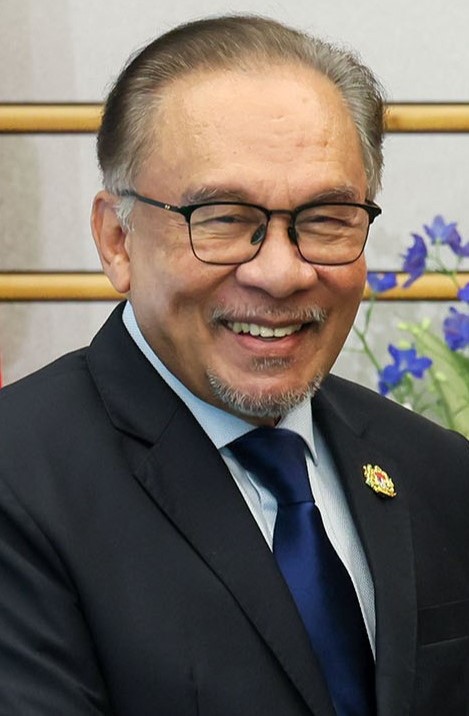
Malaysia and Bangladesh have jointly committed to ending the exploitation and mistreatment of migrant workers, marking a significant diplomatic moment in addressing one of Southeast Asia's most pressing labour challenges. At a bilateral meeting in Putrajaya on June 22, Prime Minister Datuk Seri Anwar Ibrahim and Bangladesh Prime Minister Tarique Rahman released a statement underscoring their determination to reform recruitment practices and safeguard worker welfare across both nations.
The agreement represents a formal acknowledgment by both governments that current systems governing migrant labour require substantial overhaul. Anwar emphasised that while foreign workers remain integral to Malaysia's continued economic expansion, the human cost of the current arrangement has become increasingly untenable. He pointed to recurring scandals involving wage theft, unsafe working conditions, and inadequate family support as evidence that the status quo demands urgent correction. The Prime Minister stressed that Malaysia cannot maintain its competitive economic advantage by tolerating the systematic abuse of workers who contribute directly to national prosperity.
During the joint press conference, Anwar articulated a vision centred on institutional transparency and bilateral cooperation. He acknowledged that recruitment mechanisms have historically operated within opaque frameworks, creating conditions where unscrupulous agents and employers exploit information asymmetries to profit at workers' expense. Both nations have now committed to establishing mechanisms that ensure recruitment processes meet the regulatory standards of both Malaysia and Bangladesh, effectively creating mutual accountability across borders. This represents an evolution beyond Malaysia's unilateral approach, embedding Bangladesh as an equal partner in enforcement.
The welfare dimension extends beyond employment conditions to encompass family security. Anwar explicitly highlighted the necessity of protecting not merely individual workers but their entire household ecosystems in Bangladesh. This framing acknowledges that migrant workers send remittances that sustain millions of dependents, meaning worker mistreatment generates ripple effects throughout Bangladeshi communities. By positioning family protection as a mutual obligation, both governments have expanded the moral and diplomatic stakes underlying labour standards.
For Malaysia, the agreement carries particular significance given the country's reliance on foreign labour. With over two million migrant workers in Malaysia—a substantial portion from Bangladesh—any systemic improvement to recruitment and working conditions would meaningfully affect regional labour patterns. Malaysian employers, particularly in construction, manufacturing, and domestic service sectors, have long operated within a recruitment ecosystem known for opacity and vulnerability to abuse. Embedding Bangladesh's institutional participation creates external oversight that domestic regulators have struggled to enforce independently.
Bangladesh has leveraged this diplomatic engagement to advance its own labour agenda. Prime Minister Tarique Rahman requested that Malaysia expand its recruitment of Bangladeshi workers and expedite the reopening of its labour market following previous closures prompted by welfare scandals. This negotiating position reflects Bangladesh's interest in maximising employment opportunities for its citizens while simultaneously improving conditions within existing agreements. The request signals that Bangladesh sees reformed recruitment as a pathway to increased migration flows rather than restrictive barriers.
The recruitment closure periods have created significant economic pressures within Bangladesh, where overseas employment provides crucial foreign exchange and poverty alleviation for millions of households. By framing the reopening request alongside commitments to worker protection, Bangladesh has positioned labour market access as contingent upon genuine improvements rather than rhetorical pledges. This creates mutual incentives—Malaysia benefits from expanded migrant labour pools while Bangladesh gains assurance that workers will not face the exploitative conditions that prompted previous market suspensions.
The multilateral dimension of this agreement distinguishes it from isolated national reforms. Migrant worker exploitation frequently occurs precisely because workers lack institutional advocates at the destination country level and home-country oversight proves inconsistent. By creating bilateral structures, Malaysia and Bangladesh introduce cross-border monitoring possibilities. Bangladeshi workers encountering mistreatment gain potential recourse through their government's formal engagement rather than relying solely on Malaysian enforcement. Similarly, Malaysian employers gain clarity regarding which practices contravene mutually-agreed standards, reducing legal ambiguity.
For regional stability, the agreement carries implications beyond labour economics. Southeast Asia's rapid industrialisation and demographic pressures have created structural demand for foreign workers that domestic populations cannot entirely satisfy. Malaysia's experience demonstrates how unregulated migration can generate public backlash, nationalist sentiment, and diplomatic friction. By establishing a model for transparent, mutually-enforced labour cooperation, Malaysia and Bangladesh potentially create a template that other labour-importing and labour-exporting nations might adopt, strengthening regional labour governance frameworks.
However, translating political commitments into operational transformation presents substantial challenges. Malaysian recruitment agencies, employers, and enforcement mechanisms have vested interests in maintaining current systems. Similarly, Bangladeshi officials and intermediaries profit from opaque arrangements. Effective implementation requires sustained political will, adequate funding for verification mechanisms, and willingness to impose consequences on violating parties. The genuine test of this agreement will emerge through concrete metrics—reduction in reported abuse cases, improved worker satisfaction surveys, and demonstrable increases in wage remittance levels reaching worker families.
The agreement also reflects evolving international norms regarding corporate social responsibility and government accountability for labour standards. Increasingly, multinational corporations and international investors scrutinise labour practices within supply chains, creating commercial incentives alongside humanitarian considerations. Malaysia's commitment to transparency serves both moral imperatives and pragmatic business interests, potentially enhancing the country's attractiveness to ethical investors while protecting companies from reputational damage associated with exploitative labour practices.
Looking forward, the success of Malaysia-Bangladesh labour cooperation will influence how regional economies address migration governance more broadly. With rising competition for foreign talent and increasing awareness of labour rights, countries that establish credible, transparent, and mutually-enforced systems will likely attract higher-quality worker recruitment and maintain more stable diplomatic relationships. Conversely, nations that permit exploitation will face mounting pressure from international actors, civil society organisations, and sending countries themselves. The Putrajaya agreement positions both Malaysia and Bangladesh as regional leaders in labour governance reform, though translating this positioning into sustainable change remains the critical challenge ahead.