%22%2F%3E%3C%2Fpattern%3E%3C%2Fdefs%3E%3Crect%20width%3D%22100%25%22%20height%3D%22100%25%22%20fill%3D%22url(%23ph1bx0ag)%22%2F%3E%3Crect%20width%3D%22100%25%22%20height%3D%22100%25%22%20fill%3D%22url(%23ph1bx0ap)%22%2F%3E%3Ctext%20x%3D%2250%25%22%20y%3D%2250%25%22%20text-anchor%3D%22middle%22%20dominant-baseline%3D%22central%22%20fill%3D%22rgba(255%2C255%2C255%2C0.95)%22%20font-family%3D%22Georgia%2C%20'Times%20New%20Roman'%2C%20serif%22%20font-weight%3D%22700%22%20font-size%3D%22170%22%20letter-spacing%3D%22-0.02em%22%3EMalaysia%3C%2Ftext%3E%3C%2Fsvg%3E)
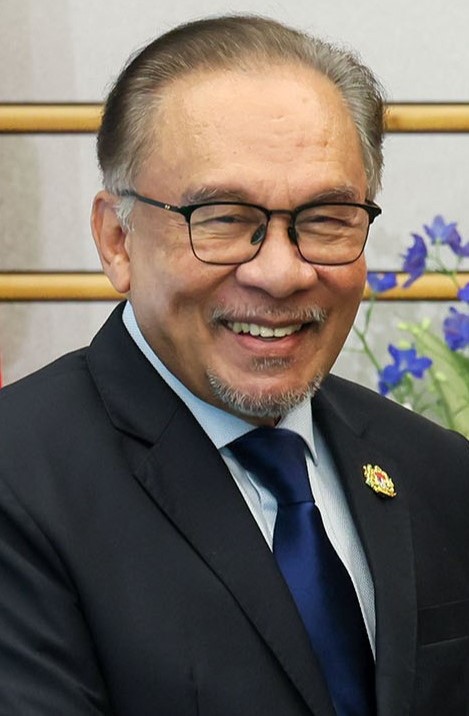
Prime Minister Datuk Seri Anwar Ibrahim has underscored the convergence between Malaysia and Bangladesh on fundamental geopolitical questions, particularly regarding developments in the Middle East. Speaking alongside visiting Bangladesh Prime Minister Tarique Rahman in Putrajaya on Monday, Anwar emphasised that both nations occupy parallel positions on the Palestinian question, the humanitarian crisis in Gaza, tensions in the Persian Gulf, and matters pertaining to Iran. The joint remarks signal a deepening of strategic understanding between Kuala Lumpur and Dhaka at a moment when regional diplomacy is navigating complex international pressures.
The alignment extends beyond rhetorical gestures to substantive policy coordination. Both governments have consistently advocated for the Palestinian cause and articulated concerns about the civilian toll in Gaza, reflecting broader sentiment across much of the Muslim-majority world and the Global South. This shared advocacy represents more than symbolic solidarity; it reflects converging strategic interests in maintaining stable relations with the wider Middle Eastern community and upholding principles of self-determination that both nations regard as foundational to their own foreign policy frameworks.
Anwar's remarks regarding the Gulf region reveal particular significance for Malaysia's regional positioning. The Gulf remains a critical theatre for international commerce, energy security, and geopolitical competition. By publicly aligning with Bangladesh on Gulf stability, Malaysia reinforces its commitment to de-escalation and multilateral problem-solving rather than alignment with any particular power bloc. This posture is consistent with Malaysia's longstanding emphasis on constructive engagement and dialogue as mechanisms for resolving international disputes.
The question of Iran occupies special importance in this diplomatic conversation. Both Malaysia and Bangladesh maintain measured but substantive engagement with Tehran, avoiding the polarised positions that characterise some Western and regional actors. This shared approach reflects recognition that Iran's regional role, while contested, cannot be wished away through isolation. Instead, both nations advocate for diplomatic channels and negotiated settlements that acknowledge legitimate regional security concerns across multiple stakeholders.
Rahman's visit to Malaysia carries particular symbolic weight as his first official overseas journey since assuming office in February. The choice of Malaysia as the inaugural destination underscores the importance Dhaka assigns to this bilateral relationship. Bangladesh, with its significant Muslim population and strategic location in South Asia, shares with Malaysia concerns about maritime security, economic development, and the protection of minority communities. The visit provides an opportunity to translate shared perspectives into concrete cooperative frameworks.
Anwar's characterisation of Bangladesh as part of an "enlarged family" reflects the warm personal and institutional relationships that have developed between the two governments. He expressed gratitude for Rahman's supportive posture and indicated enthusiasm for deepening what he termed "family bonds and brotherly relations." This language transcends diplomatic formality, suggesting genuine rapport between the leaderships and a foundation of mutual respect that can facilitate cooperation across multiple domains.
The joint engagement on these international questions must be understood within the context of Malaysia's broader foreign policy architecture. Kuala Lumpur has consistently positioned itself as a bridge between the Islamic world and international community, mediating competing interests while advocating for developing country perspectives in global forums. Bangladesh, as a major Muslim-majority nation with significant influence in South Asian affairs, represents a natural partner for advancing this agenda.
From a Malaysian perspective, the convergence with Bangladesh on these issues strengthens the country's diplomatic hand in multilateral settings. When two substantial Muslim-majority democracies articulate aligned positions on Middle Eastern affairs, they amplify the voice of the Global South in international conversations dominated by Western and great power perspectives. This carries implications for Malaysia's role in regional organisations and forums where it seeks to advance the interests of developing nations.
The economic and security dimensions of the Malaysia-Bangladesh relationship extend beyond the geopolitical declarations made during this visit. Both countries face common challenges related to maritime security, counter-terrorism cooperation, and trade facilitation. The alignment on international political questions creates a favourable environment for deepening practical cooperation in these areas, potentially yielding mutual benefits in terms of regional stability and prosperity.
Looking forward, the joint commitment to engage international partners for peace carries practical significance. Malaysia and Bangladesh both participate in various multilateral forums and possess diplomatic networks that extend across multiple regions. By coordinating their diplomatic efforts and articulating shared positions, they can contribute meaningfully to international conversations aimed at de-escalation and conflict prevention, particularly regarding the Middle East where regional tensions continue to pose risks to global stability and prosperity.