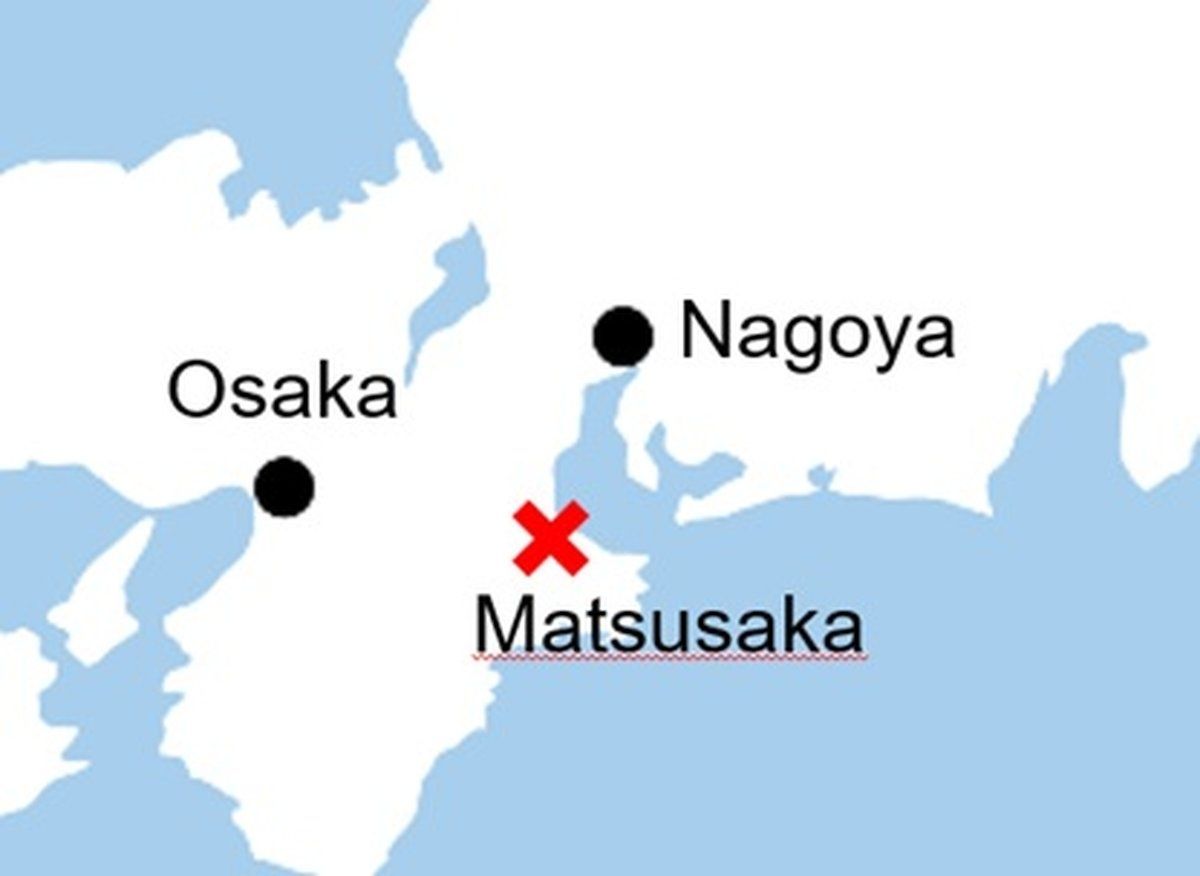
A 35-year-old resident of Matsusaka in Mie Prefecture, Japan, faces serious charges after confining his partner's five-year-old daughter inside a garbage can and closing the lid. Police arrested the man on Thursday (June 18) following a formal investigation into the incident. The suspect has acknowledged responsibility for his actions, offering little resistance to the allegations during questioning.
The confinement occurred on the evening of May 12 at the man's partner's residence in Mie Prefecture. According to police accounts, the man deliberately carried the young girl to the garbage container, placed her inside, and secured the lid at approximately 6:30 pm. The child remained trapped within the confined space for roughly five minutes before being released. Despite the traumatic nature of the incident, the girl escaped physical injury, a factor that may influence how the case proceeds through Japan's legal system.
What makes this case particularly troubling is the perpetrator's stated justification for his actions. The man characterised the confinement as a disciplinary measure, reflecting a disturbing perspective on how to correct a child's behaviour. This rationale sits at the intersection of cultural debates around parenting methods and child protection standards in Japan, where corporal punishment and harsh discipline remain somewhat more socially tolerated than in Western countries, though such extreme measures are universally condemned by child welfare authorities.
The incident remained hidden until more than a week later when child protection systems intervened. On May 20, a child welfare centre became aware of what had transpired and immediately reported the matter to law enforcement authorities. This delayed reporting suggests the abuse might not have been immediately visible or that the child took time to disclose what happened to a trusted adult. The welfare centre's intervention triggered a broader protective response extending beyond the immediate victim.
Authorities subsequently placed the girl's older sister into protective custody of the child welfare centre as a precautionary measure. This decision indicates that social services assessed a risk environment in the household that warranted removing both children from the situation, even though the older sister was not directly subjected to the confinement incident. Such preventive action reflects contemporary understanding that children exposed to abuse, whether direct or witnessed, require intervention to prevent further harm and trauma.
For Malaysian observers, this case underscores significant differences in how child protection systems operate across East and Southeast Asia. While Japan maintains sophisticated institutional responses through its child welfare centres, countries throughout the region continue grappling with how to balance cultural parenting traditions against international child protection standards. Malaysia's own approach to child safeguarding, guided by institutions like the Department of Social Welfare, shares similar frameworks with Japan's system but faces distinct challenges given the nation's diverse cultural and religious contexts.
The arrest highlights an ongoing tension in many Asian societies regarding the definition and boundaries of acceptable parental discipline. What constitutes punishment versus abuse remains contested terrain, with significant variations between countries and communities. Confining a child to an enclosed space like a garbage can clearly crosses any reasonable threshold, yet it exemplifies how harm can escalate from more commonly accepted disciplinary practices when taken to extremes.
Japanese courts will now determine appropriate penalties under the country's child abuse and confinement laws. The suspect's admission of guilt may expedite proceedings, though prosecutors must still establish the severity of charges, ranging from simple confinement to more serious child endangerment offences. The outcome will provide guidance on how Japan's legal system addresses cases where physical injury is absent but psychological and emotional harm is evident.
This incident arrives amid growing international scrutiny of child protection mechanisms in developed nations. Japan, despite its advanced social infrastructure, occasionally reveals gaps in how abuse is detected and reported. The week-long delay between the May 12 incident and May 20 reporting suggests that community awareness about reporting obligations or child disclosure pathways may require strengthening. Similar vulnerabilities exist throughout Southeast Asia, where underreporting of abuse remains endemic due to cultural stigma, institutional weaknesses, or lack of accessible reporting channels.
The case also raises questions about household dynamics and cohabitation arrangements outside traditional family structures. The man was the partner of the children's mother rather than their biological father, a distinction that may have complicated the child's initial disclosure or the community's intervention. Such arrangements, increasingly common across East and Southeast Asia, sometimes create ambiguity about parental authority and oversight responsibilities that can inadvertently shield abusers from scrutiny.
As the investigation concludes and judicial proceedings commence, the focus shifts toward ensuring the two girls receive appropriate psychological support and family reintegration services. Japanese child welfare centres provide rehabilitation services, but trauma resulting from confinement experiences requires sustained, specialised intervention. The emotional and developmental impact on a five-year-old subjected to such treatment may manifest gradually as the child processes the experience and rebuilds trust with caregiving adults.
This case serves as a stark reminder that child protection demands constant vigilance across developed and developing societies alike. Regardless of a nation's economic status or institutional sophistication, safeguarding children requires community awareness, accessible reporting mechanisms, and swift institutional responses. For Malaysia and other Southeast Asian nations, the Japanese example—both in its preventive aspects and its apparent gaps—offers valuable lessons about strengthening child protection frameworks and ensuring that cultural traditions never override a child's fundamental right to safety and dignity.

%22%2F%3E%3C%2Fpattern%3E%3C%2Fdefs%3E%3Crect%20width%3D%22100%25%22%20height%3D%22100%25%22%20fill%3D%22url(%23ph3c1nqg)%22%2F%3E%3Crect%20width%3D%22100%25%22%20height%3D%22100%25%22%20fill%3D%22url(%23ph3c1nqp)%22%2F%3E%3Ctext%20x%3D%2250%25%22%20y%3D%2250%25%22%20text-anchor%3D%22middle%22%20dominant-baseline%3D%22central%22%20fill%3D%22rgba(255%2C255%2C255%2C0.95)%22%20font-family%3D%22Georgia%2C%20'Times%20New%20Roman'%2C%20serif%22%20font-weight%3D%22700%22%20font-size%3D%22194%22%20letter-spacing%3D%22-0.02em%22%3EGerakan%3C%2Ftext%3E%3C%2Fsvg%3E)
%22%2F%3E%3C%2Fpattern%3E%3C%2Fdefs%3E%3Crect%20width%3D%22100%25%22%20height%3D%22100%25%22%20fill%3D%22url(%23ph3evy7g)%22%2F%3E%3Crect%20width%3D%22100%25%22%20height%3D%22100%25%22%20fill%3D%22url(%23ph3evy7p)%22%2F%3E%3Ctext%20x%3D%2250%25%22%20y%3D%2250%25%22%20text-anchor%3D%22middle%22%20dominant-baseline%3D%22central%22%20fill%3D%22rgba(255%2C255%2C255%2C0.95)%22%20font-family%3D%22Georgia%2C%20'Times%20New%20Roman'%2C%20serif%22%20font-weight%3D%22700%22%20font-size%3D%22151%22%20letter-spacing%3D%22-0.02em%22%3ESingapore%3C%2Ftext%3E%3C%2Fsvg%3E)