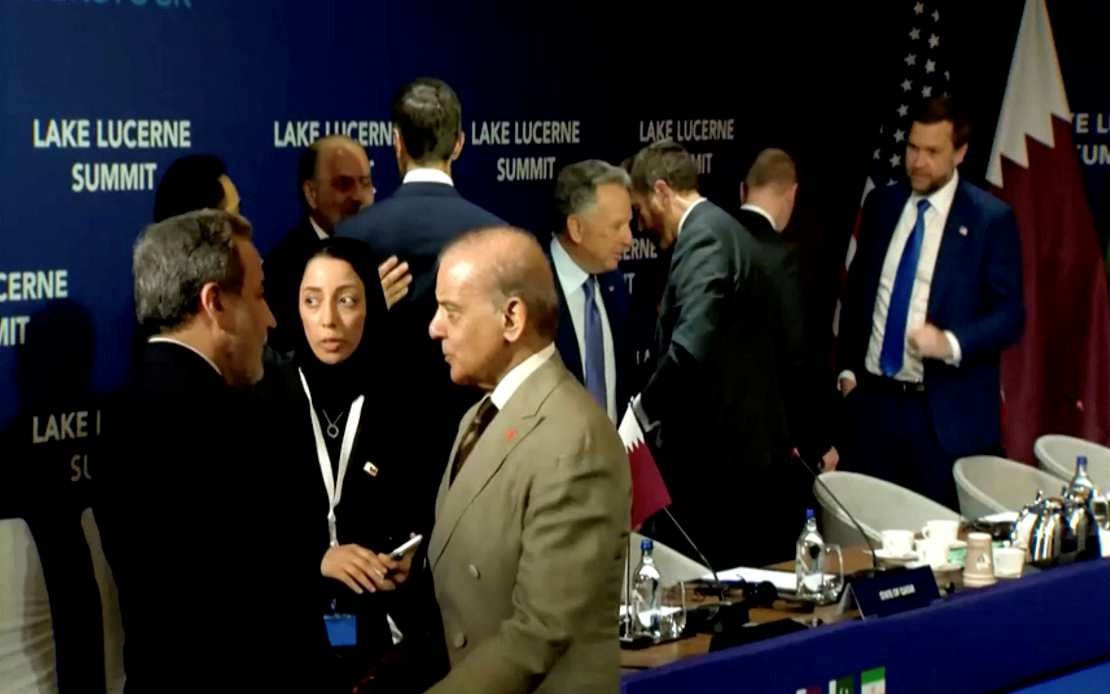
Iran and the United States have reached agreement on a draft framework to temporarily ease sanctions targeting Iranian oil shipments, according to a senior member of Tehran's negotiating delegation. The development emerged from technical discussions held at the Burgenstock resort in Switzerland, marking tangible progress in the broader diplomatic initiative launched last month between the two countries. The framework represents a significant step in implementing the Islamabad Memorandum of Understanding, which was electronically signed by Iranian President Masoud Pezeshkian and US President Donald Trump on June 18 after being negotiated with Pakistani mediation.
Hossein Ghorbanzadeh, a key figure within Iran's negotiating team, disclosed that the draft covering temporary sanctions relief on oil exports has been finalised through parallel technical channels operating alongside the main negotiation sessions in Switzerland. The specifics of what constitutes "temporary" relief remain subject to further discussion, though the agreement signals both parties' willingness to address the economic dimensions of their broader dispute. For Malaysian observers and policymakers monitoring global energy markets, such developments carry immediate implications given Malaysia's substantial interests in regional stability and international oil pricing mechanisms.
Crucially, Ghorbanzadeh stipulated that the oil sanctions relief provisions will not become operational unless a final comprehensive settlement is achieved to terminate hostilities in Lebanon. This conditionality reflects Iran's broader strategic concerns beyond bilateral US relations, particularly regarding Hezbollah and regional power dynamics. The linkage between oil sanctions and Lebanon demonstrates how Tehran views its various negotiating objectives as an interconnected package rather than discrete items open for independent resolution. This approach underscores the complexity of regional geopolitics, where economic concessions become entangled with military and political considerations across multiple conflict zones.
The technical discussions that produced the oil sanctions draft extended well beyond conventional diplomatic channels, incorporating specialised working groups to address intricate implementation questions. These parallel technical meetings operated independently from the primary negotiation stream, allowing experts from both nations to focus on specific operational details such as monitoring mechanisms, sanctions compliance verification, and phased implementation schedules. The compartmentalisation of such talks reflects sophisticated negotiating practice, permitting progress on discrete issues while broader political discussions continue separately. For Southeast Asian nations operating within similarly complex regional frameworks, this dual-track approach offers instructive lessons in managing multifaceted disputes.
Beyond the immediate oil sanctions question, Iranian negotiators simultaneously pursued discussions regarding the release of frozen Iranian assets held internationally. These conversations involved the Qatari delegation, which has maintained a mediation role throughout the negotiating process. The movement of frozen assets represents another critical dimension of sanctions relief, as such financial controls have significantly impacted Iran's ability to conduct international commerce and fund domestic programmes. The involvement of Qatar reflects Doha's established position as a regional diplomatic bridge, a role that Kuala Lumpur understands well given Malaysia's own diplomatic positioning within Asian geopolitics.
The broader Islamabad Memorandum of Understanding, which provides the overarching framework for these negotiations, encompasses fourteen specific points addressing fundamental points of contention between Washington and Tehran. The framework was publicly announced on June 14 following intensive negotiations brokered by Pakistan, signalling Islamabad's significant diplomatic leverage and regional influence. The memorandum's objectives extend far beyond bilateral sanctions issues to encompass foundational geopolitical matters such as cessation of hostilities across all regional theatres and restoration of international commerce through critical maritime corridors. For Malaysian traders and shipping companies operating across Asian waters, renewed stability in the Persian Gulf region and unrestricted transit through the Strait of Hormuz carry enormous commercial significance.
Among the fourteen-point memorandum's most consequential provisions is the commitment to reopen the Strait of Hormuz and eliminate the naval blockade that Washington has maintained against Iranian shipping. These maritime elements carry particular weight for Southeast Asian economies heavily dependent on unimpeded passage through international waterways for their export-driven growth models. Malaysia, as a significant participant in regional maritime trade and a nation conscious of freedom of navigation principles, maintains direct interests in ensuring the Strait of Hormuz remains open to legitimate commercial shipping. Any lasting blockade would impose indirect economic costs throughout the region by disrupting global energy supplies and raising shipping insurance premiums.
The memorandum's entry into force on June 18 represented a watershed moment in US-Iran relations, fundamentally altering the diplomatic trajectory after years of confrontation. Electronic signature by both presidents symbolised the contemporary nature of international agreements, yet also underscored the formality both sides attached to the commitment. The fact that such a significant accord moved from preliminary understanding on June 14 to operative status by June 18 demonstrates both parties' desire for rapid implementation and reduced ambiguity. However, the Lebanese conflict conditionality suggests that full realisation of benefits will depend on achieving peace across multiple conflict zones simultaneously.
Regional implications of this emerging framework extend beyond direct participants to neighbouring states and global traders. Saudi Arabia, Iraq, and other Gulf nations maintain stakes in whether sanctions relief accelerates Iranian economic recovery and geopolitical positioning. Southeast Asian nations including Malaysia face both opportunities and complications: potential stability gains contrast with uncertainties about how Middle Eastern power balances might shift following sanctions relief. The possibility of increased Iranian economic capacity could create new commercial partnerships, yet might also intensify regional competition for influence in strategically important areas like the Strait of Malacca and beyond.
The temporary nature of the oil sanctions relief outlined in the draft deserves careful attention, as it suggests these measures represent transitional arrangements rather than permanent normalization. Temporality implies scheduled review mechanisms, performance-based adjustments, and prerequisites for eventual renewal or expansion. Such structured impermanence allows both sides to demonstrate compliance gradually before committing to enduring arrangements. For international investors and companies operating across the region, this phased approach creates both opportunities and risks: enterprises can potentially re-engage with Iranian markets while maintaining flexibility as diplomatic conditions evolve. Malaysian companies in sectors ranging from petrochemicals to engineering services should monitor these developments closely for potential business implications.
The path forward requires finalising the Lebanon settlement condition, which remains contentious and involves multiple non-state actors beyond direct US-Iran control. Hezbollah's position, Israeli security concerns, and Lebanese government capacity represent complicating factors that pure bilateral negotiation cannot entirely resolve. Palestinian and Syrian dimensions add further layers of complexity, as regional conflicts remain deeply interconnected. Until substantive progress emerges on Lebanon hostilities, the temporary oil sanctions relief framework, however carefully drafted, remains contingent and at risk of reversal. The ultimate success of the Islamabad Memorandum therefore hinges not merely on technical implementation of agreed provisions but on achieving genuine de-escalation across multiple simultaneous conflict zones, a challenge that even experienced regional powers find formidable.