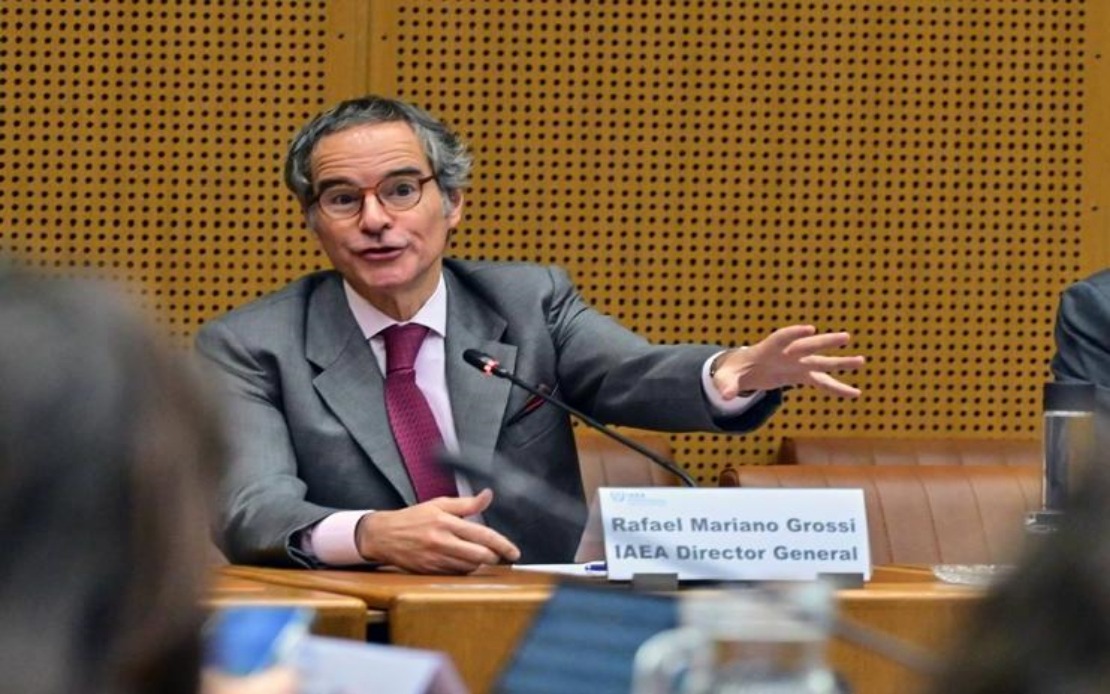
The head of the International Atomic Energy Agency has made a forceful appeal for sustained diplomatic engagement as the United States and Iran prepare for a significant round of direct negotiations in Switzerland. Rafael Mariano Grossi, the IAEA Director General, stressed that the moment demands unwavering commitment to dialogue, positioning diplomacy as the essential pathway forward amid escalating tensions between the two nations. His intervention underscores the nuclear watchdog's conviction that negotiation, rather than confrontation, offers the most viable route to resolving longstanding disputes over Iran's nuclear programme.
Grossi's remarks come as delegations from Washington and Tehran are scheduled to meet in Burgenstock, Switzerland on Sunday for talks that represent a significant diplomatic development. The timing is crucial, reflecting a shift in the broader geopolitical landscape following recent statements of intent from both capitals. The IAEA chief's public call for diplomatic perseverance suggests international concern that these talks could prove decisive in determining whether tensions escalate further or yield to constructive engagement.
Swiss Foreign Minister Ignazio Cassis has been actively engaged in preparing the ground for these negotiations, having met separately with both Iranian and American representatives. Cassis convened with Grossi in Burgenstock to review the latest developments concerning Iran's nuclear activities and to clarify the IAEA's prospective role throughout the negotiation process. Switzerland, a traditional neutral ground for international diplomacy, has positioned itself as a facilitator in these discussions, leveraging its historical reputation as a venue for sensitive state-to-state communications.
Cassis also held separate discussions with Iranian Foreign Minister Abbas Araghchi, signalling Switzerland's commitment to ensuring both parties feel heard and supported in the diplomatic process. These bilateral meetings with key figures from each delegation reflect the careful choreography required to maintain momentum toward productive dialogue. The involvement of Swiss intermediaries demonstrates how smaller nations can play crucial roles in international dispute resolution by providing trusted platforms for high-stakes negotiations.
The groundwork for these Switzerland talks was laid earlier in the week when US President Donald Trump and Iranian President Masoud Pezeshkian reached an agreement, the Islamabad Memorandum of Understanding, signed on Wednesday. This preliminary accord evidently contained sufficient substance to warrant the scheduling of direct negotiations, suggesting both governments have identified areas where dialogue might yield progress. The timing and symbolism of formalizing this understanding in Islamabad carry geopolitical implications, positioning Pakistan as a participant in regional diplomatic efforts.
For Malaysia and other Southeast Asian nations, developments in US-Iran relations carry significant implications for regional stability and international commerce. The Persian Gulf remains a critical waterway through which substantial quantities of global energy supplies transit, making any escalation in tensions a concern for all trading nations dependent on uninterrupted energy flows. Malaysian businesses with interests in oil markets, shipping, and regional trade face uncertainty if diplomatic efforts falter, making the success of these negotiations matter beyond the immediate parties involved.
The IAEA's prominent role in these discussions reflects the centrality of nuclear concerns to the US-Iran impasse. International inspections of Iran's nuclear facilities and verification of compliance with any future agreement would likely fall within the watchdog's purview, making its credibility and access essential to any sustainable resolution. Grossi's public positioning suggests the organisation is preparing to assume substantial responsibilities should negotiations yield a comprehensive agreement, potentially leading to renewed or expanded monitoring mechanisms.
Grossi's invocation of a "critical moment" suggests awareness that such diplomatic windows often prove fleeting and fragile. Historical precedent demonstrates that nuclear negotiations involving the Islamic Republic require careful management and sustained political will from all parties, as earlier agreements such as the Joint Comprehensive Plan of Action have shown. The IAEA chief's emphasis that diplomacy must be given "every opportunity to succeed" implicitly warns against premature pessimism or abandonment of negotiation in favour of confrontational approaches.
Switzerland's role as host reflects both its diplomatic tradition and practical advantages as a venue. The Swiss government maintains formal relations with both the United States and Iran, possesses experienced diplomatic infrastructure, and offers a psychologically neutral environment where both delegations can negotiate without concerns about tilted mediation. Burgenstock, chosen as the meeting location, has hosted significant international meetings previously, suggesting it provides appropriate security, privacy, and facilities for sensitive talks.
The stakes of these negotiations extend beyond bilateral US-Iran relations to encompass broader regional architecture. Neighbouring countries including Iraq, Saudi Arabia, the United Arab Emirates, and other Gulf states maintain keen interest in any agreement's terms and implications. Regional powers seek assurances that any resolution will not strengthen one party at the expense of regional balance, a concern that complicates negotiations but also reflects the interconnected nature of Middle Eastern security challenges.
For international observers, Grossi's statement represents a calibrated message designed to encourage both parties while avoiding appearance of bias toward either side. The IAEA chief's diplomatic skill in praising Switzerland's contribution to multilateral frameworks while emphasizing the organisation's neutral technical role demonstrates how international institutions navigate complex political environments. His public intervention signals that the international community, through its principal nuclear watchdog, stands ready to support constructive outcomes while maintaining vigilance over compliance and verification issues.