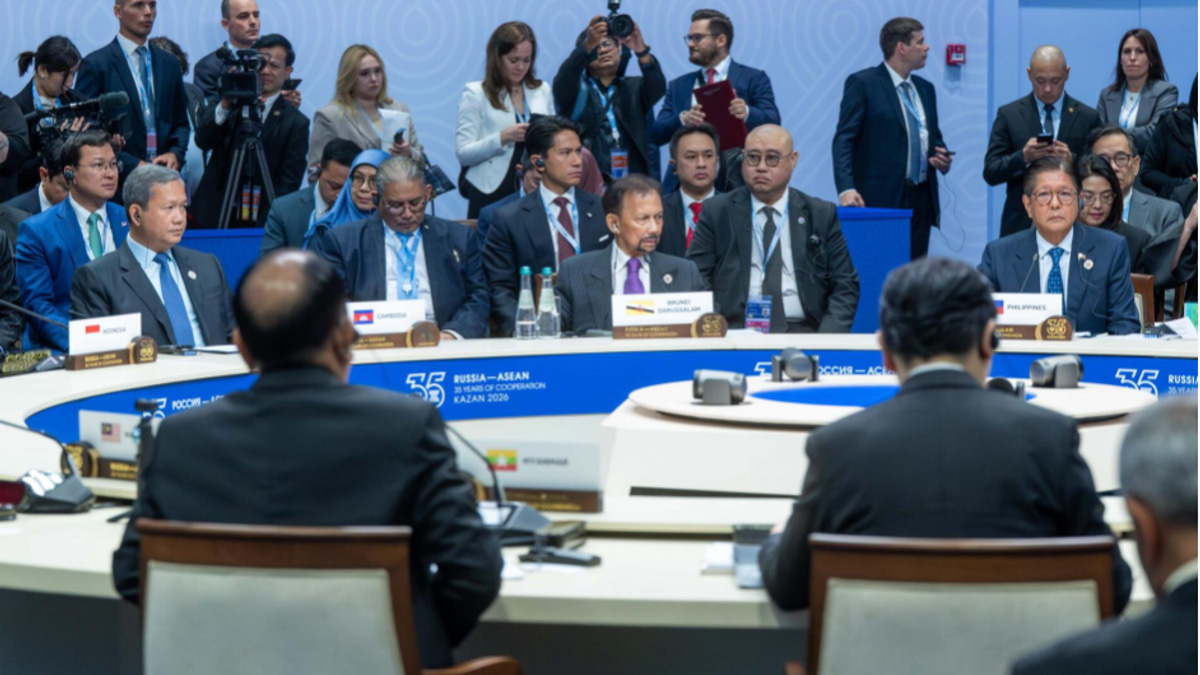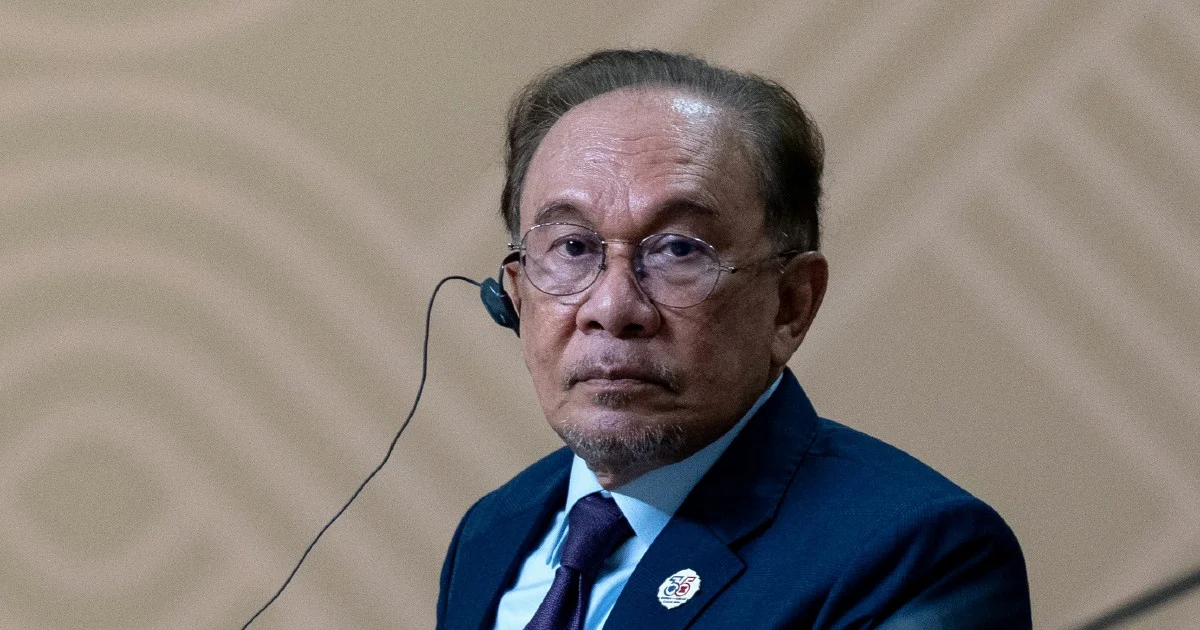
The High Court in Kuala Lumpur has granted Prime Minister Datuk Seri Anwar Ibrahim relief from the requirement to appear as a subpoenaed witness in an ongoing RM30 million civil lawsuit. The court's decision to set aside the earlier order represents a significant development in the protracted legal dispute involving prominent businessman Vinod Sekhar, removing a potentially contentious element from the proceedings that had threatened to draw the nation's top political leader into direct testimony.
The exemption from appearing in court carries particular weight given Anwar's position as Prime Minister and the complexities that would arise from his presence in the witness box during what appears to be a commercially sensitive dispute. Courts worldwide have historically grappled with the competing interests of ensuring access to relevant witnesses while respecting the operational demands placed on heads of government and other high-ranking state officials. Anwar's successful application suggests the bench recognised legitimate grounds for protecting the Prime Minister's time from what could have been an extended courtroom commitment.
The RM30 million lawsuit against Vinod Sekhar underscores the scale of financial disputes that occasionally surface within Malaysia's business landscape, particularly where allegations may touch upon matters requiring investigation by senior figures with government connections. The nature of such civil proceedings often hinges on documentary evidence, expert testimony, and statements from direct parties to the transaction in question, though subpoenas for prominent individuals can sometimes serve as pressure tactics to encourage settlement.
This decision occurs within a broader context of Malaysia's evolving relationship with judicial processes involving high-level political figures. Since Anwar's appointment as Prime Minister, several cases with potential political dimensions have progressed through the courts, each raising questions about the appropriate balance between legal accountability and the practical necessities of governing a nation. The High Court's ruling suggests judges are prepared to exercise discretion in recognising the special circumstances surrounding those in office.
For Malaysia's business community and investors tracking the Vinod Sekhar case, the removal of Anwar as a required witness likely streamlines proceedings, allowing the litigation to proceed on other evidentiary grounds. The decision does not imply any judgement regarding the underlying merits of the dispute, nor does it prevent other witnesses with knowledge of relevant facts from being compelled to testify. The lawsuit itself will presumably continue through its normal course, potentially involving documentary disclosure, cross-examination of directly involved parties, and submissions from both legal teams.
The implications for future litigation involving senior government officials remain noteworthy. While courts must respect the operational demands on those in executive positions, complete exemption from testifying can sometimes disadvantage parties seeking to establish relevant facts. The bench's approach in this instance may provide guidance for how subsequent applications from ministers, senior bureaucrats, or their family members will be evaluated should they face similar subpoenas.
From a Southeast Asian perspective, Malaysia's handling of such matters demonstrates how the region's democracies continue negotiating the boundaries between legal process and executive function. Thailand, Singapore, Indonesia, and the Philippines have all wrestled with analogous questions, each developing somewhat different frameworks for determining when officials can legitimately avoid courtroom appearances. The High Court's decision adds to this regional jurisprudence, particularly regarding civil rather than criminal proceedings.
The timing of this ruling may also be relevant to Malaysia's broader political climate. Anwar's tenure as Prime Minister has been marked by efforts to strengthen institutional credibility and demonstrate that no individual, regardless of rank, stands outside the law's reach. Simultaneously, recognising the practical constraints on those holding the highest office reflects mature judicial administration. The High Court's balanced approach suggests an attempt to honour both principles.
For observers monitoring the Vinod Sekhar case itself, the question now becomes whether other key figures in the dispute possess knowledge that will prove dispositive, and how the legal teams will now restructure their evidence presentation around Anwar's unavailability as a witness. The lawsuit's ultimate resolution will likely turn on other factors entirely, with this procedural matter simply removing one variable from the equation. Whether the decision ultimately favours the plaintiff or defendant in the underlying dispute remains to be determined as the case progresses through remaining court dates and evidentiary phases.