%22%2F%3E%3C%2Fpattern%3E%3C%2Fdefs%3E%3Crect%20width%3D%22100%25%22%20height%3D%22100%25%22%20fill%3D%22url(%23ph3c80yg)%22%2F%3E%3Crect%20width%3D%22100%25%22%20height%3D%22100%25%22%20fill%3D%22url(%23ph3c80yp)%22%2F%3E%3Ctext%20x%3D%2250%25%22%20y%3D%2250%25%22%20text-anchor%3D%22middle%22%20dominant-baseline%3D%22central%22%20fill%3D%22rgba(255%2C255%2C255%2C0.95)%22%20font-family%3D%22Georgia%2C%20'Times%20New%20Roman'%2C%20serif%22%20font-weight%3D%22700%22%20font-size%3D%22226%22%20letter-spacing%3D%22-0.02em%22%3EHAWANA%3C%2Ftext%3E%3C%2Fsvg%3E)
Prime Minister Datuk Seri Anwar Ibrahim officiated the HAWANA 2026 Summit in Penang this week, underscoring the Malaysian government's continued commitment to recognising the nation's journalism community. The event, held at the PICCA @ Arena Butterworth Convention Centre, draws significance not merely as an annual ceremonial occasion but as a critical gathering where the industry can collectively assess its standing, confront persistent obstacles, and prepare for an uncertain future shaped by rapid technological change and intensifying pressures on journalistic credibility across the region.
The summit, themed "Media Integrity Strengthens Credibility," assembled approximately 1,000 media practitioners, journalists, and industry representatives from Malaysia and several neighbouring ASEAN countries. This convening reflects the growing recognition that journalism operates within an interconnected regional ecosystem where challenges transcend national boundaries. The participation of international delegates, including Timor-Leste's Secretary of State for Social Communication Expedito Loro Dias Ximenes, signals that regional media professionals increasingly view forums like HAWANA as essential platforms for exchange and mutual learning during turbulent times for the profession.
According to Ashwad Ismail, the director-general of Radio Televisyen Malaysia, HAWANA serves as the institutional "heart" binding together Malaysia's dispersed media community. His characterisation emphasises that beyond honouring individual journalists, the summit functions as a unifying mechanism enabling the profession to function cohesively rather than as isolated practitioners. In an industry often fractured by competitive pressures and divergent organisational interests, Ismail suggests that regular reflection through structured forums strengthens the profession's collective identity and capacity for self-assessment.
The reflective dimension Ismail outlined extends beyond nostalgia or retrospective celebration. He articulated that annual HAWANA gatherings create designated space for the industry to honestly evaluate accomplishments whilst acknowledging shortcomings from the preceding twelve months. More crucially, this structured reflection enables participants to understand the specific circumstances and constraints shaping their work—a particularly vital function when external pressures, from regulatory environments to economic headwinds, continuously reshape the conditions under which journalists operate across Malaysia and Southeast Asia.
The contemporary challenges facing Malaysian journalism demand precisely this kind of industry-wide dialogue. Technological disruption represents perhaps the most visible threat, with artificial intelligence reshaping both newsroom operations and the broader information ecosystem. Content creators, news organisations, and individual journalists face mounting pressure to understand how emerging technologies will alter their roles, skill requirements, and economic models. HAWANA 2026 positioned itself as a venue where these questions could be addressed collectively rather than allowing individual organisations to navigate transformation in isolation, potentially leading to fragmented industry responses.
Beyond technological questions, the summit's emphasis on media integrity reflects mounting concern across the region regarding journalism's credibility. Misinformation, political polarisation, and declining public trust in traditional media institutions create an environment where individual news organisations can no longer assume their reporting will be received as authoritative. By gathering the industry under a banner explicitly linking integrity to credibility, HAWANA signals that practitioners must confront these challenges as collective problems requiring coordinated professional responses rather than as isolated organisational concerns.
Academic perspectives on HAWANA's utility reinforce its value as professional recognition mechanism. Siti Nor Aina Omar, a lecturer at Han Chiang University College of Communication who previously worked in the journalism industry, characterised such summits as vital means of honouring the profession's contributions. From her dual vantage point spanning academia and practitioner experience, Omar recognises that formal recognition ceremonies fulfil professional and psychological functions beyond mere ceremonial value. They affirm to practitioners themselves that their contributions matter whilst signalling to broader society that journalism constitutes a distinct profession worthy of acknowledgment alongside other established vocations.
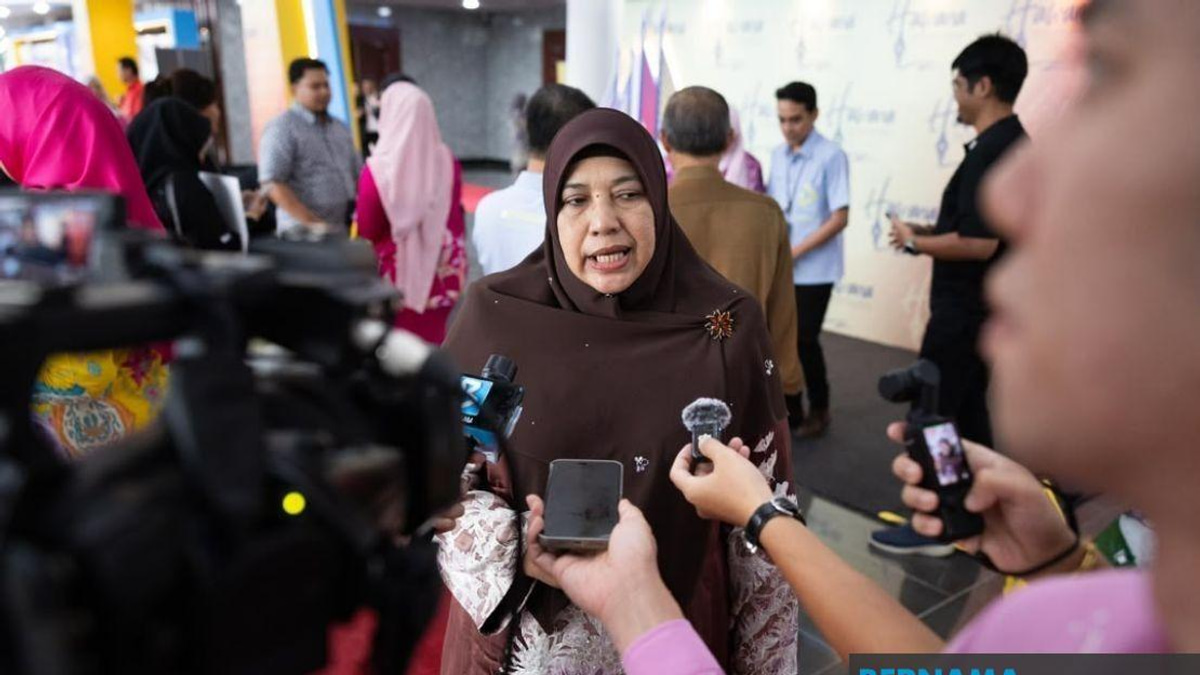
Practitioners themselves articulate concrete expectations that HAWANA can address. Siti Zubaidah Zakaria, a seventeen-year veteran journalist with Sinar Harian in Kedah, emphasised that the annual gathering should meaningfully acknowledge the sacrifices media practitioners make whilst simultaneously leveraging the platform to advance tangible improvements in working conditions. Her emphasis on welfare provisions and access to proper equipment illuminates a gap between symbolic recognition and material support. This distinction matters considerably in Malaysian journalism, where economic pressures on news organisations have increasingly forced journalists to operate under constrained resource conditions, potentially compromising reporting quality even among committed professionals.
The presence of high-level government officials at HAWANA 2026—including Communications Minister Datuk Fahmi Fadzil, Penang Chief Minister Chow Kon Yeow, and the secretary-generals of relevant government ministries—reflects official recognition of journalism's importance to Malaysia's democratic functioning. Yet this governmental engagement creates inherent tensions. While state acknowledgment of journalism's role can strengthen the profession's standing, close association with government institutions potentially complicates journalists' independence. Malaysian practitioners must navigate a delicate balance between welcoming government recognition and maintaining professional autonomy from state influence—a challenge particularly acute in Southeast Asia where press freedom remains contested terrain.
Bernama's central role in organising HAWANA, undertaken with Communications Ministry backing, further illustrates this institutional complexity. As Malaysia's official national news agency, Bernama necessarily represents government interests alongside serving the broader journalism community. This positioning renders forums like HAWANA sites where state and independent media practitioners must coexist and dialogue despite potentially conflicting institutional interests. Nevertheless, the presence of diverse media organisations and individual journalists at the summit suggests the platform retains sufficient legitimacy to serve as genuine industry gathering rather than mere state messaging exercise.
The timing of HAWANA 2026 carries particular significance given the regional media environment. Across Southeast Asia, journalism faces mounting challenges from technological disruption, economic pressures, political restrictions in some jurisdictions, and rapidly evolving audience expectations. Malaysian journalists increasingly operate within a competitive landscape where traditional news organisations compete with digital platforms, social media influencers, and alternative information sources for audience attention and advertising revenue. This structural transformation makes industry-wide forums like HAWANA increasingly valuable for helping practitioners understand broader trends shaping their profession rather than merely navigating organisational-level changes in isolation.
Moving forward, HAWANA's relevance depends substantially on whether it evolves beyond ceremonial function to become venue for substantive industry problem-solving. The summit's theme emphasising media integrity and credibility indicates awareness that symbolic recognition alone proves insufficient when journalists face mounting external pressures. Malaysian practitioners require forums where they can develop collective responses to technological change, discuss economic sustainability models, address skills gaps created by industry transformation, and collectively articulate professional standards resistant to politicisation or commercial exploitation. Should HAWANA successfully fulfil these functions alongside its recognitional purpose, it can meaningfully strengthen Malaysia's journalism profession during a period of significant institutional uncertainty across the region.