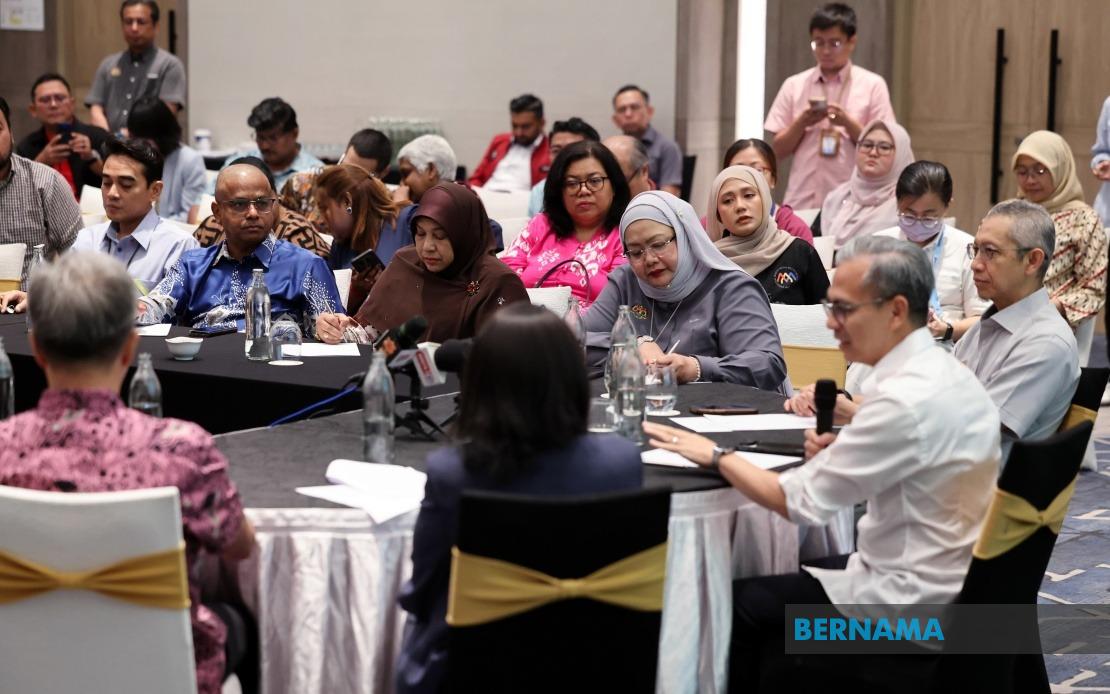
The HAWANA 2026 Summit has commenced at the PICCA@Arena Butterworth Convention Centre, with media professionals and strategic partners from Malaysia and across the ASEAN region streaming into the venue to participate in the National Journalists' Day celebrations. The gathering represents a significant moment for the regional journalism community, bringing together practitioners from diverse newsrooms and media outlets to engage in dialogue about the state and future of the profession in Southeast Asia.
Delegates took their first opportunity to explore exhibition booths and a dedicated photo gallery set up in the convention centre foyer, providing informal networking spaces where colleagues from different media organisations could reconnect during the event's opening hours. These peripheral activities serve an important function in building relationships across the fragmented media landscape, allowing journalists and editors to strengthen professional bonds that often transcend national borders despite the competitive pressures of daily news production.
The international flavour of this year's summit underscores a deliberate strategic pivot toward regional engagement and cooperation. The presence of ASEAN delegates signals how HAWANA has evolved beyond a purely domestic Malaysian observance into a broader platform for addressing common challenges facing journalism across Southeast Asia. This expansion reflects recognition within Malaysian media circles that many of the threats to editorial independence, audience trust, and professional standards are region-wide phenomena requiring collective dialogue and shared solutions.
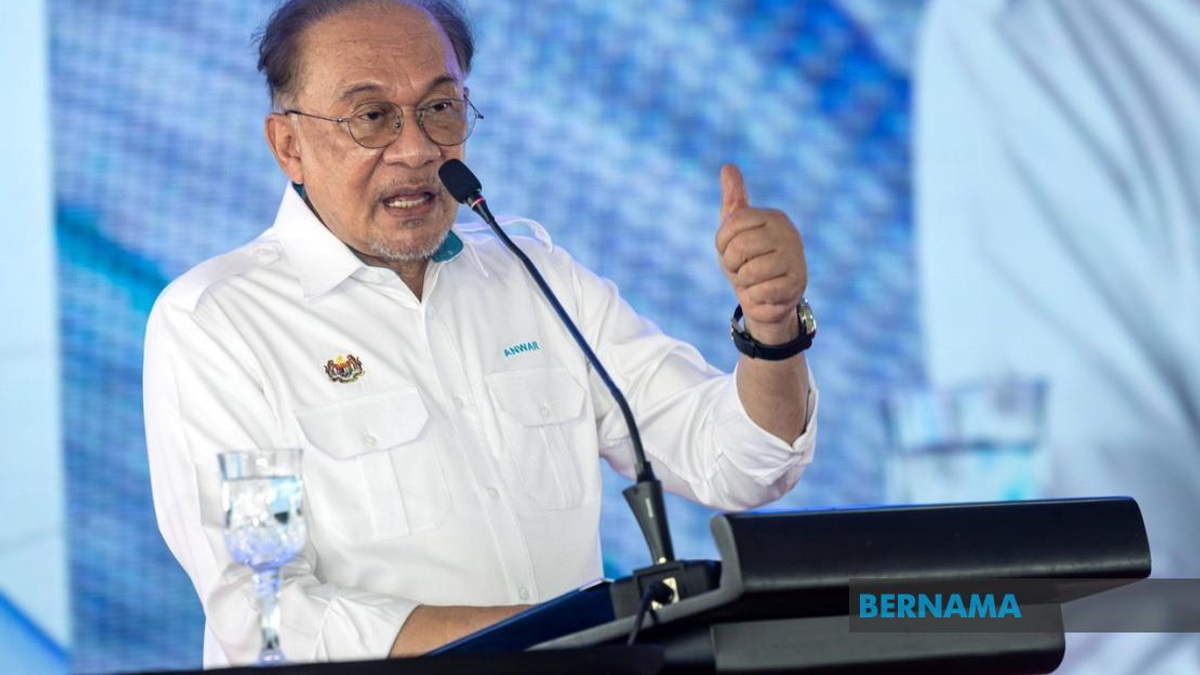
Prime Minister Datuk Seri Anwar Ibrahim will formally open proceedings at the summit, lending high-level government endorsement to the event's central theme of 'Media Integrity Strengthens Credibility'. The theme itself is telling, suggesting that organisers view media integrity not as an abstract principle but as a practical foundation upon which public trust and therefore the institution of journalism itself must be built. At a time when Malaysian audiences, like those across Southeast Asia, are increasingly sceptical of traditional media institutions and vulnerable to misinformation, this emphasis carries particular weight.
The summit is anticipated to attract approximately 1,000 media practitioners, making it one of the larger professional gatherings in the Malaysian journalism calendar. This scale of attendance creates opportunities for substantive peer-to-peer learning and the formation of professional networks that extend well beyond the formal programme. For journalists working in smaller markets or more remote locations, such gatherings offer rare chances to benchmark practices, discuss editorial challenges, and access professional development.
The Ministry of Communications has entrusted Bernama, Malaysia's national news agency, with implementing the summit. This choice reflects Bernama's historical role as a bridge between government and the broader media ecosystem, though it also raises questions about how a state-backed institution can credibly facilitate independent discussions about media integrity and editorial autonomy. Nevertheless, Bernama's existing relationships across the Malaysian and regional media landscape make it a natural convenor for such a gathering.
The summit serves a dual purpose beyond the immediate celebration of journalists' contributions. It functions as a deliberate platform for recognising the work of media practitioners who are tasked with supplying the public with accurate, verified and credible information. In an era of digital disruption, economic pressures on traditional news organisations, and increasing polarisation of public discourse, such institutional recognition of journalism's role becomes symbolically important. It signals to practitioners themselves and to the broader public that journalism remains a valued profession deserving of respect and support.
From a regional perspective, the gathering carries implications for how Southeast Asian media communities coordinate on shared challenges. The participation of ASEAN delegates suggests that conversations during the summit will extend beyond Malaysia's particular media landscape to encompass broader regional trends. These might include the rise of social media as a primary news source, the economic fragility of local news operations, government pressures on editorial independence, and the sophisticated information warfare campaigns targeting the region. Peer learning across national boundaries can help Malaysian journalists contextualise their own experiences within a larger pattern.
The event also reflects how professional journalism organisations and government agencies throughout Southeast Asia are attempting to reinforce the institutional structures of the profession at a time when those structures face genuine threats. By convening practitioners, celebrating their work, and facilitating dialogue about common standards, HAWANA 2026 seeks to strengthen what might be termed the professional commons of journalism—the shared understandings, ethical norms, and collegial relationships that have historically sustained quality journalism even amid external pressures.
For Malaysian media practitioners attending the summit, the international dimension offers particular value. Journalists working in smaller regional markets often experience isolation in confronting editorial pressures or resource constraints. The opportunity to engage with counterparts facing similar challenges across ASEAN provides both moral support and practical intelligence. Shared strategies for building audience trust, sustaining business models, and maintaining editorial integrity become more readily available through such cross-border professional exchange.

%22%2F%3E%3C%2Fpattern%3E%3C%2Fdefs%3E%3Crect%20width%3D%22100%25%22%20height%3D%22100%25%22%20fill%3D%22url(%23ph2dkjhg)%22%2F%3E%3Crect%20width%3D%22100%25%22%20height%3D%22100%25%22%20fill%3D%22url(%23ph2dkjhp)%22%2F%3E%3Ctext%20x%3D%2250%25%22%20y%3D%2250%25%22%20text-anchor%3D%22middle%22%20dominant-baseline%3D%22central%22%20fill%3D%22rgba(255%2C255%2C255%2C0.95)%22%20font-family%3D%22Georgia%2C%20'Times%20New%20Roman'%2C%20serif%22%20font-weight%3D%22700%22%20font-size%3D%22272%22%20letter-spacing%3D%22-0.02em%22%3EAnwar%3C%2Ftext%3E%3C%2Fsvg%3E)