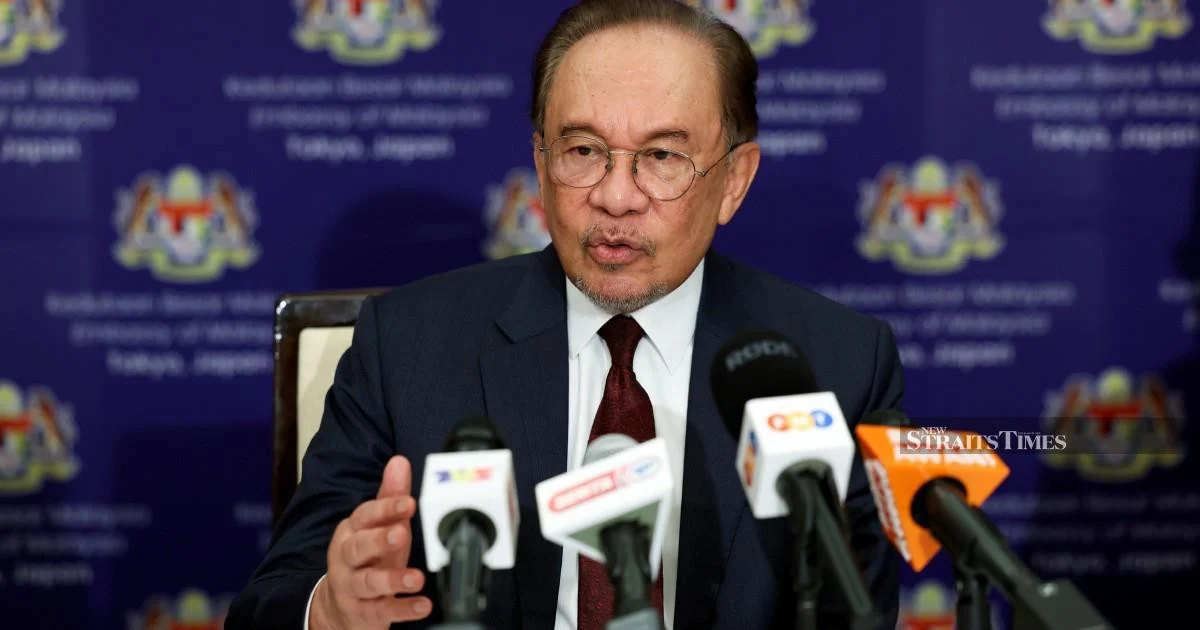
Prime Minister Datuk Seri Anwar Ibrahim has announced a substantial expansion in the financial support channelled to Bumiputera enterprises through Malaysia's government-linked investment companies, with commitments rising to RM2 billion for 2026. This figure marks a notable acceleration compared to the previous year's allocation of RM1.3 billion, signalling renewed emphasis on bolstering indigenous entrepreneurs amid ongoing efforts to build a more inclusive economy.
The 54 per cent year-on-year increase reflects heightened prioritisation at the highest political levels to ensure greater participation of Bumiputera-owned firms in Malaysia's investment ecosystem. Government-linked investment companies, which operate across multiple sectors and represent significant pools of capital managed on behalf of the state, have traditionally played a crucial intermediary role in bridging gaps between ambitious entrepreneurs and institutional funding sources. This expanded allocation underscores recognition that targeted capital deployment remains essential for nurturing the next generation of Malaysian business leaders.
For Malaysian investors and entrepreneurs within the Bumiputera category, this commitment represents tangible encouragement to scale operations and pursue growth opportunities that might otherwise remain inaccessible. The investment pipeline through GLICs encompasses equity stakes, growth financing, and strategic partnerships across diverse industries including technology, manufacturing, services, and emerging sectors. By amplifying deployment to RM2 billion, the government is effectively signalling confidence in the viability and potential of companies owned by Bumiputera individuals and entities.
The policy shift also addresses long-standing economic development objectives enshrined in Malaysia's constitutional framework. Successive governments have grappled with how to modernise support mechanisms for indigenous businesses without creating inefficient or rent-seeking dynamics. Increasing GLIC investments, provided they are allocated according to rigorous commercial merit and governance standards, offers a relatively transparent approach compared to discretionary grant programmes or subsidies that can lack accountability.
Regionally, Malaysia's renewed focus on targeted capital allocation for indigenous entrepreneurs may serve as a reference point for neighbouring Southeast Asian nations similarly committed to inclusive growth. Thailand, Indonesia, and the Philippines have pursued various approaches to supporting small and medium enterprises and owner-founder businesses. Malaysia's leverage of institutional investors rather than purely government budgets offers a potential model for scaling support while maintaining fiduciary discipline.
The investment commitment also carries implications for Malaysia's broader financial architecture. GLICs manage substantial assets accumulated over decades, and their deployment decisions influence market dynamics, sectoral development, and overall economic productivity. When these institutions channel greater sums toward Bumiputera enterprises, they create multiplier effects through job creation, supply chain development, and knowledge transfer that extend beyond the direct investee companies.
However, the effectiveness of the RM2 billion commitment ultimately depends on selection criteria, governance oversight, and post-investment support provided to portfolio companies. Enhanced capital availability means little without matching improvements in business advisory services, management expertise access, and realistic performance expectations. Successful investment requires more than cheques; it demands mentorship, strategic guidance, and networks that enable founder-entrepreneurs to navigate competitive markets.
The announcement arrives at a critical juncture for Malaysia's economy, which continues adjusting to structural changes in global trade, rising technological disruption, and shifting investment patterns across the region. Bumiputera entrepreneurs capable of competing in these transformed conditions will drive future prosperity. GLICs positioned to identify and back such operators early in their growth trajectories can yield both financial returns and broader economic benefits.
Prime Minister Anwar's emphasis on expanding GLIC support also reflects his administration's broader economic agenda centred on fairness, opportunity distribution, and competitive excellence. Previous commentary from senior government officials has highlighted the distinction between protecting Bumiputera interests through artificial barriers and enabling them through strategic market access and institutional support. The investment commitment leans toward the latter philosophy.
Looking forward, stakeholders will monitor how the RM2 billion is deployed across different company sizes, sectors, and geographic locations. Transparent reporting on investment outcomes, exit performance, and lessons learned will be essential for maintaining public confidence and justifying continued policy prioritisation of GLIC-backed Bumiputera development.
The increased allocation also intersects with Malaysia's digital economy initiatives and green transition objectives. Should GLICs prioritise Bumiputera firms operating in high-value technology sectors and sustainable industries, the investment commitment could simultaneously advance multiple policy goals while creating demonstrable competitive advantages for participating entrepreneurs in growth areas likely to dominate future economic activity.

%22%2F%3E%3C%2Fpattern%3E%3C%2Fdefs%3E%3Crect%20width%3D%22100%25%22%20height%3D%22100%25%22%20fill%3D%22url(%23ph21o2sg)%22%2F%3E%3Crect%20width%3D%22100%25%22%20height%3D%22100%25%22%20fill%3D%22url(%23ph21o2sp)%22%2F%3E%3Ctext%20x%3D%2250%25%22%20y%3D%2250%25%22%20text-anchor%3D%22middle%22%20dominant-baseline%3D%22central%22%20fill%3D%22rgba(255%2C255%2C255%2C0.95)%22%20font-family%3D%22Georgia%2C%20'Times%20New%20Roman'%2C%20serif%22%20font-weight%3D%22700%22%20font-size%3D%22170%22%20letter-spacing%3D%22-0.02em%22%3EGabungan%3C%2Ftext%3E%3C%2Fsvg%3E)