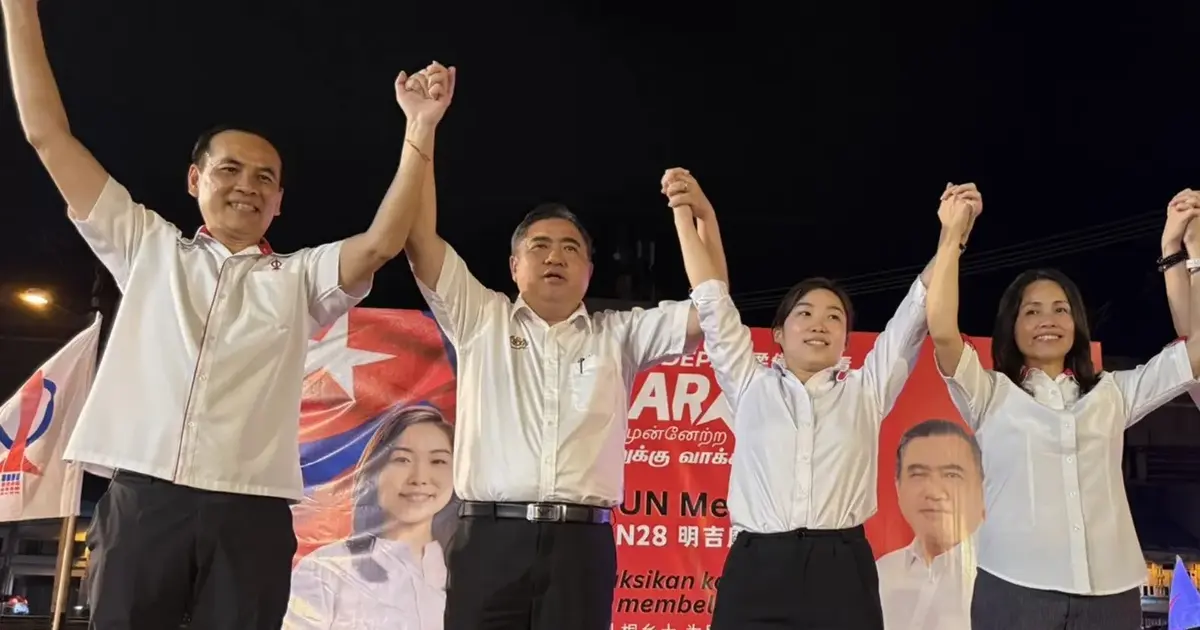
The Democratic Action Party has shifted its electoral strategy for the Mengkibol constituency by fielding lawyer Chu Poh Yee as its candidate for the coming general election, marking a departure from continuing with the seat's current two-term representative. Party secretary-general Loke Siew Fook made the announcement, signalling what appears to be a deliberate decision to introduce fresh political blood into the contest rather than rely on an incumbent seeking a third consecutive mandate.
Chu Poh Yee's candidacy represents a generational and professional shift in how the DAP approaches representation in this particular electoral division. As a lawyer, the candidate brings legal expertise and professional credentials that the party evidently believes will resonate with Mengkibol voters. The selection process appears to have weighed factors beyond simple continuity, suggesting internal party assessment of electoral competitiveness and candidate viability in the current political climate.
The decision to forgo fielding the sitting two-term incumbent signals underlying party calculations about the dynamics of electoral competition in Mengkibol. Political parties rarely abandon sitting representatives without strategic reasoning, whether based on polling data, demographic shifts in the constituency, or confidence in a new candidate's ability to defend or expand the party's vote share. The move reflects DAP's confidence that a new face can maintain or improve upon previous election results in this seat.
Chu Poh Yee's legal background aligns with broader trends across Malaysian political parties to field candidates with professional qualifications and established community profiles. Legal practitioners have increasingly entered electoral politics, bringing courtroom experience and familiarity with constitutional and legislative matters that can appeal to educated urban constituencies. For the DAP, known for emphasizing institutional reform and legal governance, fielding a lawyer reinforces messaging around competence and principled administration.
The timing of this announcement comes as political parties across Malaysia prepare their nomination strategies for the general election. Each party's candidate selection process reveals internal priorities and assessments of where the political landscape is shifting. For the DAP, decisions about which seats receive incumbent protection and which receive fresh candidates indicate where the party sees its greatest opportunities and most challenging contests.
Mengkibol's recent electoral history, where the same representative has held the seat across two consecutive election cycles, suggests a reasonably secure DAP constituency. Yet the party's decision to refresh the candidacy indicates either confidence that the seat remains secure with a new face, or a judgment that changing candidates offers superior prospects compared to continuity. Such calculations are rarely transparent to the public, but they shape the competitive landscape that voters ultimately encounter.
The outgoing two-term representative steps aside against a backdrop of DAP's broader positioning within Malaysian coalition politics. The party, as a major component of the Pakatan Harapan alliance and subsequent coalitions, must balance representation of longstanding members with recruitment of new talent capable of addressing evolving voter concerns. Fresh candidates signal vitality and openness to new perspectives, while established legislators represent proven track records and constituent relationships.
Malaysian voters in Mengkibol will now evaluate Chu Poh Yee against opposition candidates, likely from Barisan Nasional and potentially other coalitions depending on how seat negotiations conclude across different electoral alliances. The legal profession offers certain advantages in electoral competition—public perception of lawyers as educated professionals, familiarity with legal systems that many voters encounter, and community engagement through legal practice. However, new candidates must also compensate for lacking the name recognition and established networks that multi-term representatives accumulate.
For the DAP specifically, this selection reflects the party's broader organizational maturity and succession planning. Malaysian political parties have historically struggled with managing leadership transitions and fielding new candidates when sitting representatives retire or step aside. The DAP's confidence in announcing Chu Poh Yee suggests the party has conducted internal vetting and believes the candidate possesses necessary qualifications for parliamentary service.
The move also illustrates how Malaysian electoral politics operates on different timelines from general elections themselves. Candidate selection decisions made months before nomination day reflect party leadership's forward-looking assessments of political conditions. These choices accumulate across constituencies to shape each party's overall electoral strategy and the competitive terrain that voters encounter on election day.
Chu Poh Yee's campaign in Mengkibol will likely emphasize legal expertise, DAP's track record in the constituency, and the party's policy platform addressing concerns relevant to the electorate. As the Democratic Action Party's chosen representative, the candidate also carries party baggage—both the advantages of the DAP's institutional reputation and the disadvantages of any unpopular DAP policies or leadership decisions among local voters.
The announcement of Chu Poh Yee represents a concrete step in how Malaysian political competition takes shape. While a single candidate selection might appear routine, each such decision by major parties collectively determines which individuals voters can ultimately choose to represent them in parliament, and what range of policy alternatives different constituencies can evaluate.
%22%2F%3E%3C%2Fpattern%3E%3C%2Fdefs%3E%3Crect%20width%3D%22100%25%22%20height%3D%22100%25%22%20fill%3D%22url(%23ph223ueg)%22%2F%3E%3Crect%20width%3D%22100%25%22%20height%3D%22100%25%22%20fill%3D%22url(%23ph223uep)%22%2F%3E%3Ctext%20x%3D%2250%25%22%20y%3D%2250%25%22%20text-anchor%3D%22middle%22%20dominant-baseline%3D%22central%22%20fill%3D%22rgba(255%2C255%2C255%2C0.95)%22%20font-family%3D%22Georgia%2C%20'Times%20New%20Roman'%2C%20serif%22%20font-weight%3D%22700%22%20font-size%3D%22320%22%20letter-spacing%3D%22-0.02em%22%3EOnn%3C%2Ftext%3E%3C%2Fsvg%3E)