An investigation into a suspected honour killing has begun in Rajasthan's Dholpur district after two young women were allegedly killed by their own family members and thrown into a river. Police identified the alleged perpetrator as Bharat Lodha, a resident of Pharakpur village and father of four, who is believed to have murdered two of his daughters. The case has drawn attention to the persistence of honour-based violence in parts of rural India, where family members sometimes resort to extreme measures to enforce their control over romantic and marital choices.
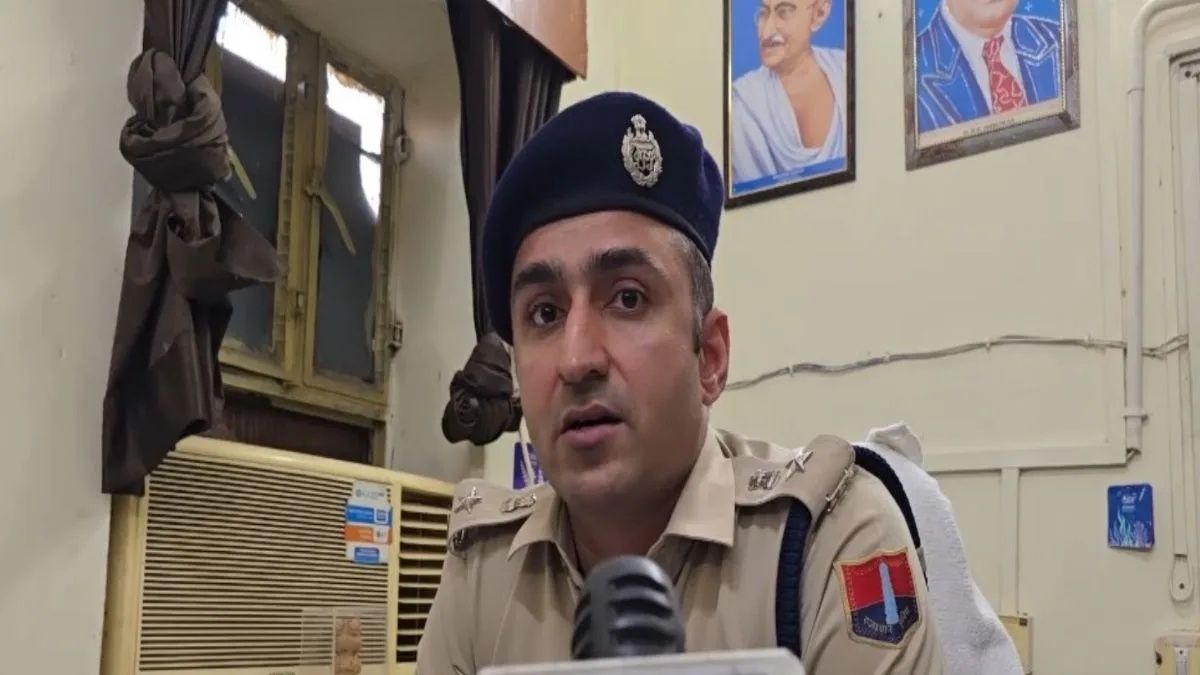
The alleged incident unfolded on the night of June 11 near Sagarpada Bridge in the district. Superintendent of Police Vikas Sangwan confirmed that authorities received information suggesting foul play and immediately deployed teams to investigate. Police suspect the women were pushed off the bridge into the river below, though investigators emphasise that many details remain unconfirmed as the inquiry progresses. The timing of the alleged crime—between 9 and 10 in the evening—places the incident in darkness, which would have aided the perpetrators in avoiding immediate detection.
Early findings from the investigation suggest the young women became targets because of a romantic relationship that their family vehemently opposed. According to preliminary police assessments, this disapproval formed the motive behind the alleged killing. Such cases underscore a deeply troubling pattern in parts of India where families view romance and marriage outside their preferences as a violation of social honour that demands violent correction. For Malaysian readers familiar with similar concerns in honour-based communities within multicultural societies, this case illustrates how such practices can escalate to the most severe outcomes when family honour is perceived to be at stake.
The investigation has widened beyond Bharat Lodha to include several other family members as suspects. Police are methodically reconstructing the sequence of events preceding the alleged crime, examining how the victims were transported to the bridge, who accompanied them, what vehicle was used, and the identities of everyone involved in the fatal incident. Sangwan stated that investigators are verifying these particulars, which remain preliminary at this stage. This reconstruction process is crucial for establishing not only what happened but also how far the conspiracy extended within the family unit.
Authorities are working to piece together the movements of the women on the day in question. Police teams have visited the scene multiple times to gather physical evidence and interview potential witnesses in the surrounding areas. The investigation has also expanded to include questioning individuals with connections to the case. Sangwan reiterated that while initial information points toward family involvement and an honour-based motive, investigators are pursuing every lead rigorously before drawing final conclusions.
The case reflects broader concerns about violence within families across South Asia. Honour killings, though illegal under Indian law, continue to occur in certain communities where traditional values are interpreted as justifying the elimination of family members perceived to have brought shame. The deaths of the two sisters represent not merely individual tragedies but also a systemic problem rooted in patriarchal control over women's autonomy and reproductive choices. The apparent willingness of multiple family members to participate in or facilitate such an act suggests the extent to which collective family sentiment can override moral and legal boundaries.
For Southeast Asian observers, including Malaysians, the case carries relevance given demographic overlaps and shared cultural communities across the region. While Malaysia has stronger institutional protections and legal frameworks against such crimes, instances of honour-based violence occasionally surface in court cases and police reports. Understanding how neighbouring jurisdictions like India address such crimes offers valuable insight into prevention strategies, victim support mechanisms, and prosecution approaches that may inform regional dialogue on protecting vulnerable populations within traditional communities.
The investigation's progression will likely involve forensic analysis of evidence recovered from the river, autopsies to determine the exact cause of death, and detailed witness statements to establish timelines and identities of all participants. Police will need to secure confessions or contradictory statements from family members that reveal inconsistencies in their accounts. The prosecution will face the challenge of proving collective criminal intent and establishing which individuals wielded direct force versus those who conspired or facilitated the crime.
Superintendent Sangwan cautioned that the full picture remains incomplete and that ongoing verification is essential before authorities can conclude their preliminary investigation. He indicated that legal action would follow based on investigation findings. The specific charges lodged—likely including murder, conspiracy, and potentially charges under provisions addressing honour-based violence—will depend on the evidence ultimately gathered. The case may also involve questioning of other family members and community members who might have known about tensions or threats preceding the alleged incident.
This investigation underscores the vulnerability of women in societies where family honour takes precedence over individual safety and choice. The alleged perpetrators' decision to use a bridge over a river as the method of disposing of the bodies suggests premeditation and planning rather than a crime of passion. Such calculated planning indicates a determined intention to conceal the crime and escape accountability, which aggravates the severity of the allegations. For Malaysian law enforcement and social advocates focused on domestic violence and gender-based crimes, this case provides a sobering reminder of how honour-based ideology can manifest in lethal violence.