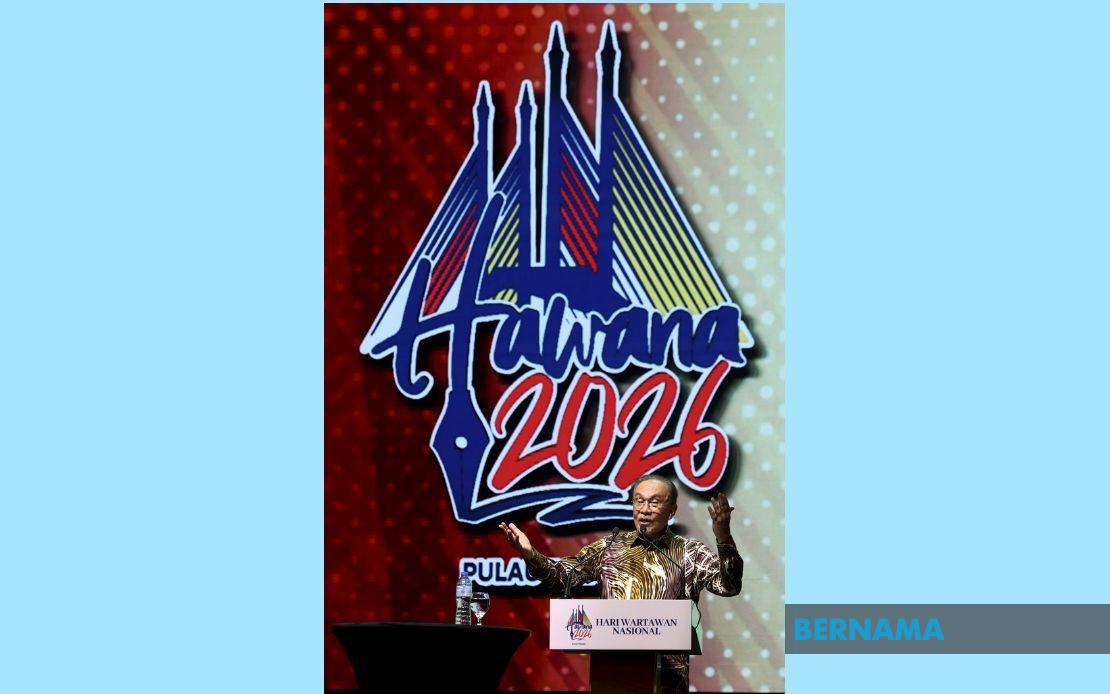
Prime Minister Datuk Seri Anwar Ibrahim has committed an additional RM1 million to the Tabung Kasih@HAWANA, reinforcing the government's ongoing dedication to supporting media professionals across the country. The announcement came during his officiating of the National Journalists' Day (HAWANA) 2026 main event in Butterworth, underscoring the administration's recognition of the challenges facing the journalism sector in Malaysia.
The Tabung Kasih@HAWANA represents a targeted government intervention designed to address the financial vulnerabilities of media practitioners. Since its establishment in 2023, the fund has distributed assistance totalling RM2.26 million to 773 media workers nationwide, addressing urgent needs ranging from medical expenses to family welfare support. The new allocation brings the total commitment for 2026 alone to RM1 million, demonstrating the government's willingness to expand its social safety net for this sector.
As both Prime Minister and Finance Minister, Anwar's dual announcement carries particular weight in Malaysia's political and economic landscape. The allocation reflects a policy position that views journalism and media work as deserving of direct government support, a stance that contrasts with some regional governments that maintain more adversarial relationships with the press. By framing the allocation in terms of "compassion and care," the government has positioned media welfare as a humanitarian concern rather than merely a professional or institutional issue.
The Tabung Kasih@HAWANA originated during the HAWANA 2023 celebrations and was conceived as a comprehensive welfare mechanism addressing multiple dimensions of hardship. The fund extends beyond basic financial aid to encompass medical expenses, family assistance, and other support mechanisms tailored to individual circumstances. This holistic approach reflects recognition that media practitioners, particularly freelancers and those working for smaller outlets, often lack robust institutional support structures available in other sectors.
The HAWANA 2026 gathering itself demonstrated significant regional and international interest in Malaysian media affairs. The event attracted over 1,000 media practitioners from Malaysia alongside delegates from neighbouring Timor-Leste, Cambodia, and Laos. This cross-border participation underscores the interconnected nature of media challenges and journalism practices throughout Southeast Asia, suggesting that welfare initiatives in Malaysia may serve as a model for regional consideration.
The event's theme, "Media Integrity Strengthens Credibility," carries implications beyond ceremonial significance. It reflects ongoing concerns within the government and media sectors about maintaining journalistic standards and public trust in news reporting. By coupling welfare support with explicit emphasis on integrity, the government has created a narrative linking financial security for journalists with the quality and reliability of media output—a connection that resonates with broader regional discussions about combating misinformation and maintaining professional standards.
Senior government officials attending the event included Penang Chief Minister Chow Kon Yeow and Communications Minister Datuk Fahmi Fadzil, alongside key permanent secretaries and representatives from Malaysia's major news agencies. The presence of Bernama's leadership, including chairman Datuk Seri Wong Chun Wai and chief executive officer Datin Paduka Nur-ul Afida Kamaludin, highlighted the national news agency's central role in coordinating media welfare and professional development initiatives. This constellation of political and institutional figures underscored government commitment to the announcement and to media sector support more broadly.
The welfare fund addresses a persistent challenge within Malaysia's media landscape: the financial precarity affecting many journalists. Despite Malaysia's relatively developed media ecosystem, individual practitioners frequently encounter difficulties accessing healthcare, managing family expenses, or weathering professional transitions. The Tabung Kasih@HAWANA provides targeted relief that complements market-based employment arrangements and helps retain experienced journalists in the profession.
For Malaysian media organisations and practitioners, the allocation carries practical significance in terms of accessible support mechanisms. The fund's existence and growth signal that government recognises the legitimacy of journalists' welfare claims and provides institutional channels for assistance. This recognition, while welcome to the profession, also reflects the government's broader engagement with media institutions and its investment in maintaining constructive relationships with the journalism sector.
The RM1 million addition for 2026 suggests expanding fund utilisation and possibly increasing demand for assistance. As more media practitioners become aware of the scheme's existence and accessibility criteria, the cumulative impact of government support may grow substantially. The allocation pattern indicates the government's intention to sustain and gradually increase welfare support rather than maintaining static funding levels, responding to demonstrated need within the profession.
Regionally, Malaysia's structured approach to media welfare positions it distinctly within Southeast Asia's policy landscape. While other nations in the region grapple with journalist safety, press freedom restrictions, and professional sustainability, Malaysia's welfare fund represents an affirmative government commitment to journalist wellbeing. This positioning carries implications for Malaysia's international media standing and its capacity to attract and retain quality journalism talent competing with opportunities elsewhere in Asia.
%22%2F%3E%3C%2Fpattern%3E%3C%2Fdefs%3E%3Crect%20width%3D%22100%25%22%20height%3D%22100%25%22%20fill%3D%22url(%23ph3h0whg)%22%2F%3E%3Crect%20width%3D%22100%25%22%20height%3D%22100%25%22%20fill%3D%22url(%23ph3h0whp)%22%2F%3E%3Ctext%20x%3D%2250%25%22%20y%3D%2250%25%22%20text-anchor%3D%22middle%22%20dominant-baseline%3D%22central%22%20fill%3D%22rgba(255%2C255%2C255%2C0.95)%22%20font-family%3D%22Georgia%2C%20'Times%20New%20Roman'%2C%20serif%22%20font-weight%3D%22700%22%20font-size%3D%22170%22%20letter-spacing%3D%22-0.02em%22%3EMalaysia%3C%2Ftext%3E%3C%2Fsvg%3E)
%22%2F%3E%3C%2Fpattern%3E%3C%2Fdefs%3E%3Crect%20width%3D%22100%25%22%20height%3D%22100%25%22%20fill%3D%22url(%23ph51nvig)%22%2F%3E%3Crect%20width%3D%22100%25%22%20height%3D%22100%25%22%20fill%3D%22url(%23ph51nvip)%22%2F%3E%3Ctext%20x%3D%2250%25%22%20y%3D%2250%25%22%20text-anchor%3D%22middle%22%20dominant-baseline%3D%22central%22%20fill%3D%22rgba(255%2C255%2C255%2C0.95)%22%20font-family%3D%22Georgia%2C%20'Times%20New%20Roman'%2C%20serif%22%20font-weight%3D%22700%22%20font-size%3D%22170%22%20letter-spacing%3D%22-0.02em%22%3EJudicial%3C%2Ftext%3E%3C%2Fsvg%3E)
%22%2F%3E%3C%2Fpattern%3E%3C%2Fdefs%3E%3Crect%20width%3D%22100%25%22%20height%3D%22100%25%22%20fill%3D%22url(%23ph5i78qg)%22%2F%3E%3Crect%20width%3D%22100%25%22%20height%3D%22100%25%22%20fill%3D%22url(%23ph5i78qp)%22%2F%3E%3Ctext%20x%3D%2250%25%22%20y%3D%2250%25%22%20text-anchor%3D%22middle%22%20dominant-baseline%3D%22central%22%20fill%3D%22rgba(255%2C255%2C255%2C0.95)%22%20font-family%3D%22Georgia%2C%20'Times%20New%20Roman'%2C%20serif%22%20font-weight%3D%22700%22%20font-size%3D%22136%22%20letter-spacing%3D%22-0.02em%22%3EGovernment%3C%2Ftext%3E%3C%2Fsvg%3E)