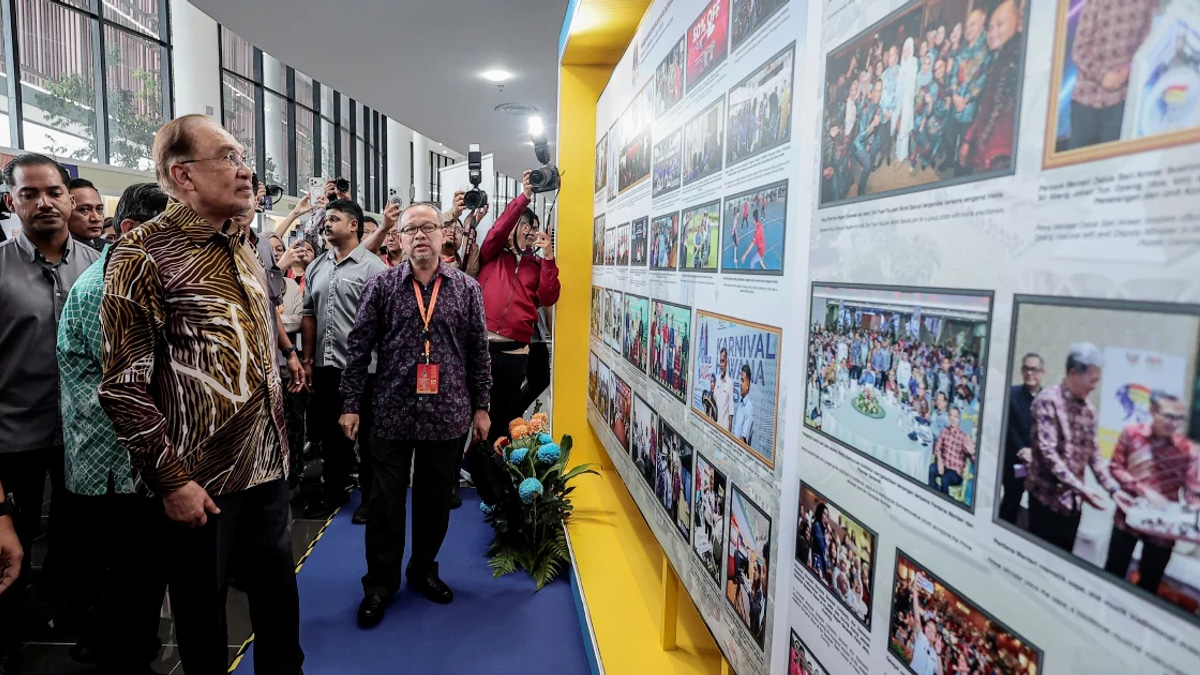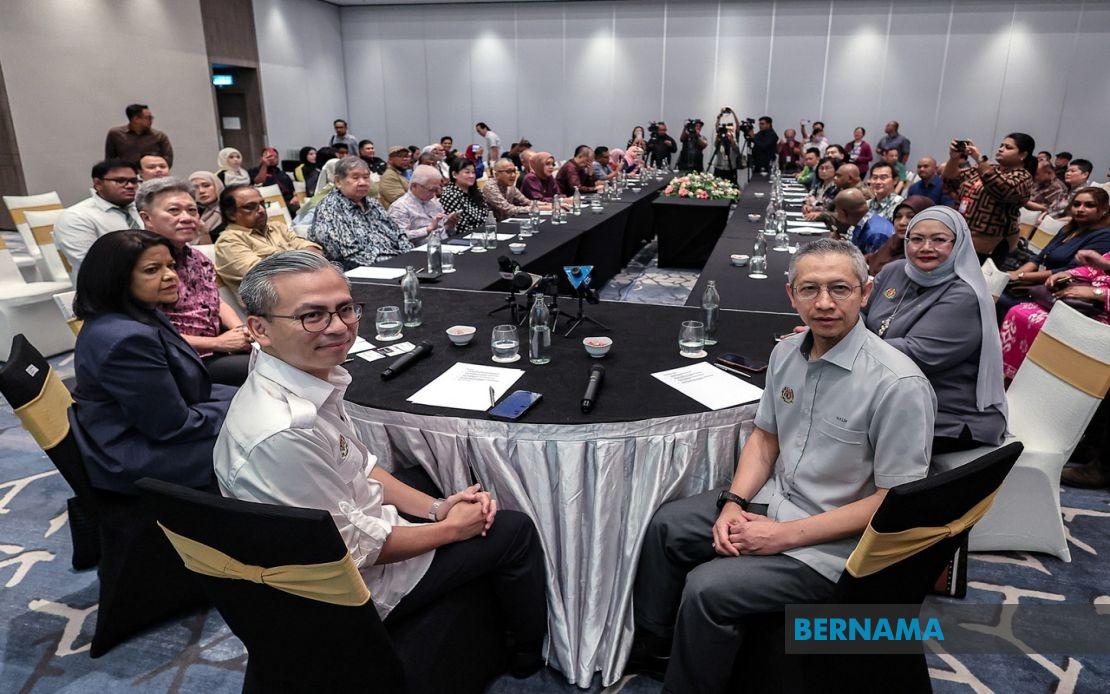
Communications Minister Datuk Fahmi Fadzil has announced an ambitious initiative to institutionalise regular dialogue between the government and Malaysia's media industry through dedicated retreat sessions at every future National Journalists' Day (HAWANA) celebration. The proposal, unveiled during an extensive two-hour engagement session with media representatives in Butterworth on June 20, represents a significant shift toward creating formal mechanisms for addressing the sector's mounting challenges. The minister envisions these annual retreats as structured platforms where journalists, editors, and news organisations can articulate their concerns and recommendations directly to government leadership, fostering a more collaborative approach to media policy formulation.
Fahmi has tasked the Malaysian Media Council (MMC) with coordinating these retreat sessions, leveraging the council's position as the industry's representative body to ensure smooth execution and broad participation. By anchoring these discussions within HAWANA's annual cycle, the government signals its commitment to making media industry engagement a permanent fixture in its policy-making calendar rather than treating media consultations as ad hoc or episodic events. This structural approach acknowledges that sustainable solutions to the sector's problems require consistent, ongoing dialogue rather than sporadic interventions.
The retreat framework Fahmi outlined casts a deliberately wide net for industry input. Participants would be invited to raise concerns ranging from immediate operational issues to long-term strategic matters affecting media viability. The session explicitly welcomes proposals concerning legislative amendments and policy reforms, with officials pledging to channel validated recommendations through appropriate government channels. This openness suggests recognition that media practitioners, through daily engagement with their audiences and market dynamics, possess invaluable insights into regulatory gaps and counterproductive policies that academics and policymakers might overlook.
The timing of this initiative reflects growing anxiety within Malaysia's media ecosystem regarding economic sustainability. Fahmi identified a particularly acute challenge: mainstream media organisations produce substantive journalism that is republished on social media platforms without generating corresponding revenue or profit for the original creators. This dynamic has intensified competitive pressure on traditional newsrooms and threatened the financial models underpinning professional journalism. The minister's explicit acknowledgment of this structural problem signals that the government grasps the existential threat facing established media outlets as digital disruption reshapes news consumption patterns.
Fahmi's proposal that the Malaysian Media Council engage social media platforms on the industry's behalf reveals a nuanced understanding of the complexity involved. Rather than positioning the government as a direct antagonist to technology companies, the minister suggests collaborative problem-solving where the media council negotiates fair compensation models while the government provides supportive infrastructure. This approach recognises that unilateral government mandates against social media platforms could trigger regulatory backlash and prove counterproductive, whereas industry-led negotiations backed by government goodwill might yield more sustainable outcomes.
The composition of attendees at the Butterworth dialogue underscored the initiative's significance. Beyond Fahmi's own presence, the gathering included senior Communications Ministry officials such as secretary-general Datuk Abdul Halim Hamzah and deputy secretary-general Datuk Bahria Mohd Tamil, alongside influential media figures including Malaysian National News Agency chairman Datuk Seri Wong Chun Wai and Malaysian Media Council chairman Tan Sri Nallini Pathmanathan. This concentration of senior government and media leadership at a substantive dialogue session, rather than a mere ceremonial event, indicated genuine commitment to advancing the discussion beyond platitudes.
For Malaysian readers and the regional media landscape, Fahmi's proposal carries significance beyond immediate bilateral government-media relations. Southeast Asia has witnessed concerning trends of media consolidation, digital disruption eroding newsroom finances, and rising misinformation outpacing journalistic capacity to verify facts. A functioning, economically viable professional media ecosystem remains essential to democratic governance and informed public discourse. Malaysia's formal institutionalisation of annual retreat sessions could establish a model demonstrating how governments can engage constructively with media stakeholders without compromising editorial independence or succumbing to undue influence.
The retreat mechanism also addresses a perennial challenge in media-government relations: structural asymmetry in access and voice. Individual journalists or smaller news outlets often lack opportunity to present their collective concerns to senior decision-makers, while large media organisations may dominate government consultations. By creating an annual, sanctioned forum where diverse media voices can congregate and articulate shared positions, the retreat concept democratises industry representation and elevates concerns that might otherwise remain marginalised in ad hoc bilateral negotiations.
However, the proposal's success will ultimately hinge on implementation quality. Retreats can become performative exercises where governments listen politely but act on none of the recommendations, eroding industry goodwill and trust. Conversely, genuine responsiveness to media sector feedback could rebuild confidence in government openness and establish precedent for evidence-based policymaking across multiple sectors. The government will need to demonstrate tangible follow-through on industry proposals, whether through legislative amendments, regulatory adjustments, or concrete support mechanisms addressing media sustainability challenges.
The announcement also carries implicit recognition that Malaysia's media industry requires active government support rather than passive non-interference. Rather than limiting its role to regulation, the government now positions itself as a potential partner in finding solutions to market failures affecting journalism. This reframing could unlock creative policy interventions, from tax incentives for news organisations to infrastructure investments supporting digital transformation, provided the retreat process generates sufficiently specific and feasible recommendations.
Looking forward, Fahmi's proposal suggests the government recognises that a thriving media sector serves broader national interests. Professional journalism strengthens democratic accountability, combats misinformation, and generates content contributing to Malaysia's soft power in the region. By institutionalising structured dialogue with media practitioners, the government acknowledges that policy-making affecting the sector benefits from industry expertise and that sustainable solutions require collaborative development rather than top-down imposition.