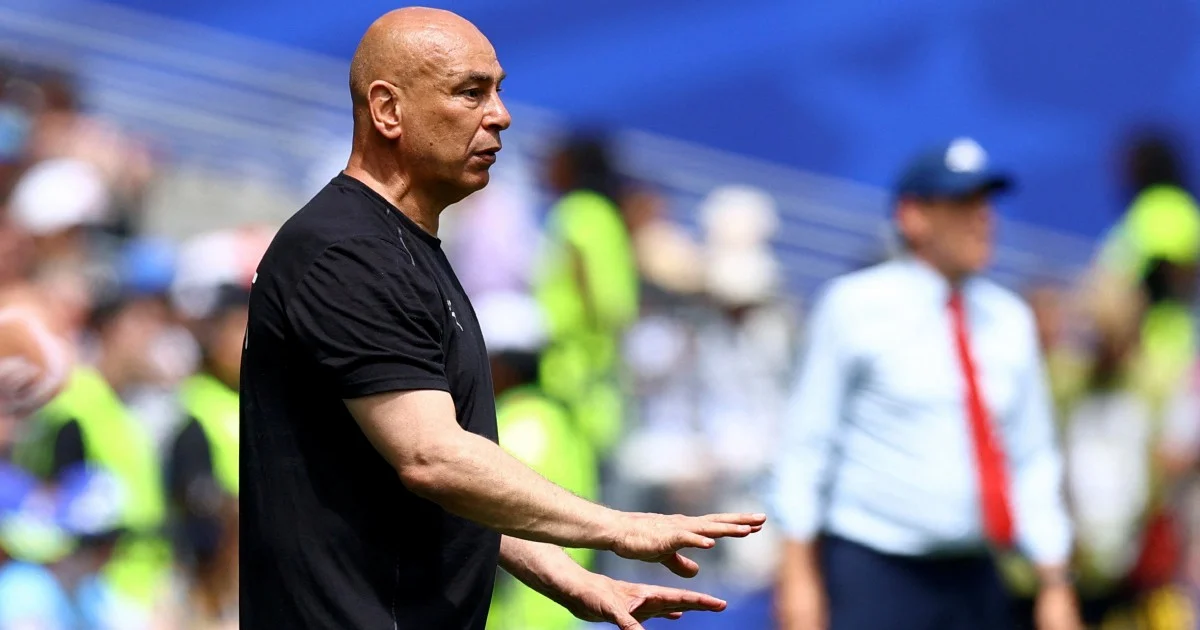
Egypt's World Cup campaign has become the subject of renewed scrutiny, but coach Hossam Hassan is determined to quash speculation about internal rifts that could undermine the squad's chances at the tournament. Speaking from Vancouver ahead of a pivotal Group G encounter, Hassan firmly rejected suggestions that Mohamed Salah, the nation's most celebrated footballer and Liverpool's talismanic winger, has become a point of contention within the dressing room. The coach's comments reflect the intense pressure surrounding what represents a potentially transformative moment for Egyptian football on the global stage.
The speculation surrounding Salah's relationship with teammates and coaching staff has circulated in international media outlets, creating a narrative of discord that could distract from Egypt's bid to achieve unprecedented success at the World Cup. Hassan's decisive intervention to dismiss these claims serves a dual purpose: reassuring the fanbase that internal harmony remains intact whilst simultaneously signalling to observers that the squad's focus remains undivided. Such preemptive denials are a standard feature of high-stakes tournament football, where psychological momentum and media management become as important as tactical preparation.
Egypt's encounter with New Zealand at BC Place on Sunday carries profound significance for the African nation's World Cup trajectory. The Group G competition includes several formidable opponents, making this match potentially decisive in determining whether Egypt progresses from the group stage. For a nation with rich football heritage but limited World Cup success, the stakes could scarcely be higher. Hassan's emphasis on squad cohesion underscores his recognition that football at this level demands complete unity of purpose, both on and off the pitch.
Mohamed Salah's presence in any squad automatically elevates expectations and scrutiny. His exploits in the English Premier League have made him a global sporting celebrity, and consequently, every aspect of his performance and conduct receives magnified attention. This magnification of focus can sometimes generate narratives that lack substance but carry significant weight in the court of public opinion. Hassan's categorical denial suggests the coaching staff views such speculation as potentially corrosive to team morale and performance.
The build-up to international tournaments frequently generates storylines about player relationships and potential conflicts. Whether real tensions exist or whether media reports have inflated minor issues into dramatic narratives remains an open question, but Hassan's confident dismissal indicates he believes his squad possesses the psychological resilience required for tournament football. The frank discussion of such matters in pre-match press conferences has become a ritualistic element of tournament preparation, allowing coaches to establish clear boundaries around acceptable discourse.
Egypt's football development over recent decades has been marked by steady improvement at continental level, with African Cup of Nations successes establishing the nation as a regional power. However, translating that regional dominance into World Cup success has proven elusive. This current campaign therefore represents a genuine opportunity to reshape Egypt's standing in global football, making internal harmony genuinely indispensable. Hassan recognises that any perception of discord, whether factual or manufactured, could provide psychological ammunition to opposing teams and distract from tactical focus.
The New Zealand fixture offers Egypt a platform to demonstrate both playing quality and mental fortitude. The All Whites, despite their football pedigree in rugby, bring a competitive edge and disciplined approach to international football that could trouble opponents. For Egypt, this match represents an ideal opportunity to establish dominance early in the group stage, thereby reducing pressure on subsequent matches and building confidence heading toward knockout football. Hassan's squad unity message forms part of a broader psychological preparation strategy designed to maximise Egypt's chances.
Regional observers across Southeast Asia and the broader Asian football community will be monitoring Egypt's progress with considerable interest. The success of African nations at the World Cup influences global football dynamics and creates precedent for emerging footballing nations. Egypt's performance could therefore extend beyond African significance and contribute to broader conversations about competitive balance in international football. For Malaysian and Southeast Asian fans, Egypt represents one of the tournament's most intriguing narratives, combining the glamour of global superstars with the potential for continental breakthrough.
Hassan's handling of the Salah situation demonstrates mature coaching management. Rather than engaging defensively with critics or allowing speculation to dominate discourse, the coach has moved quickly to establish clear messaging about squad status. This approach minimises opportunities for negative narratives to gain traction and redirects attention toward collective performance. In tournament football, where psychological factors often prove decisive between technically comparable sides, such management becomes genuinely strategic rather than merely reactive.
Looking forward to the New Zealand encounter, Egypt carries the burden of expectation but also possesses genuine quality capable of delivering results. Hassan's insistence on squad unity, whether responding to genuine concerns or preempting potential distractions, establishes a foundation upon which tactical execution and player performance can build. The match at BC Place will test not only Egypt's football quality but also the authenticity of Hassan's claims regarding internal harmony and collective focus.