Education Minister Fadhlina Sidek has called on the public to extend compassion and respect to the family of a 16-year-old female student who passed away at a school in Negeri Sembilan on Wednesday morning. The minister's appeal comes as police continue their investigation into the incident, with the Education Ministry pledging its complete cooperation throughout the process. Fadhlina's statement underscores the sensitive nature of such occurrences in Malaysia's education system and the need for measured public discourse during an active investigation.
In a Facebook post released on June 19, Fadhlina expressed her condolences to the student's family, invoking religious sentiments appropriate to the gravity of the situation. "May her soul be blessed by Allah SWT and placed among the faithful," she wrote, while praying that the bereaved family would find the strength and patience to endure what she described as a profoundly difficult trial. The minister's words reflected the emotional weight such incidents carry within school communities and among the broader public.
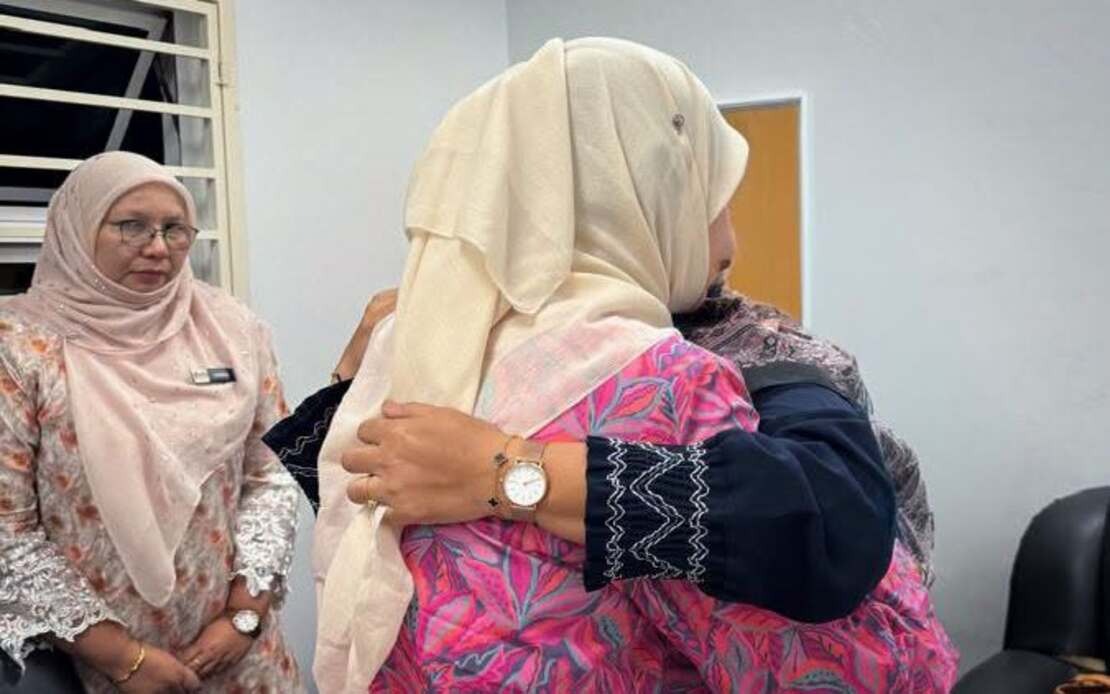
The Education Ministry's response has been swift and comprehensive. Beyond the minister's public statements, Fadhlina and Education director-general Datuk Dr Mohd Azam Ahmad made a personal visit to the student's family at Rembau Hospital to offer direct support and solidarity during this period of grief. This hands-on approach by top ministry officials signals the seriousness with which the government treats student welfare and safety within educational institutions.
Fadhlina emphasized that the ministry's immediate priority is ensuring that affected families and individuals receive the most adequate assistance available. This commitment extends beyond mere condolences to encompass practical and emotional support mechanisms that can help families navigate the immediate aftermath of such tragedy. The availability of counselling services and pastoral care for schoolmates and staff members has become increasingly important in Malaysian schools following student deaths.
The push for public restraint is particularly significant given Malaysia's social media landscape, where sensitive incidents can quickly attract intense scrutiny and speculation. The minister's appeal represents an effort to protect the family's dignity and psychological well-being during an investigation phase when circumstances are still being clarified. Premature public judgment or invasive media attention could compound the family's suffering and potentially interfere with the police investigation itself.
Student deaths at educational institutions have prompted wider conversations in Malaysia about school safety, mental health support, and the pressures facing young people. Each incident raises questions about the adequacy of counselling facilities in schools, the training of educators to recognize signs of distress, and the social pressures that Malaysian students face in a competitive academic environment. The circumstances surrounding this particular case remain under police examination.
The police investigation will likely focus on determining the exact cause and circumstances of the student's death. Such investigations typically involve interviews with school staff, fellow students, and family members, as well as medical examinations where appropriate. The transparency and thoroughness of this process will be crucial in providing answers to the family and allowing the school community to move forward with understanding.
Educational institutions across Malaysia will be watching the outcome of this investigation closely. Schools serve as critical touchpoints for identifying students in psychological or physical distress, and incidents of this nature often prompt reviews of existing support systems and safety protocols. Many schools have since expanded their counselling departments and implemented mental health awareness programmes to address student well-being more comprehensively.
The Education Ministry's measured approach—balancing the need for investigation with protection of family privacy—reflects lessons learned from previous similar incidents. By establishing clear boundaries around public discourse early, authorities can help create space for proper investigation while preventing additional trauma to those directly affected. This approach also allows the school to support its broader student population without excessive media interference disrupting the healing process.
For Malaysian parents and educators, such incidents underscore the importance of recognizing warning signs and creating open channels for students to seek help. Many schools have since developed better linkages with mental health professionals and crisis intervention teams. The Education Ministry continues to emphasize that student safety and well-being must remain paramount considerations in all educational policies and practices moving forward.