Vianney Kambale Kombi cannot hear the word "Ebola" without being transported back to the harrowing days of the 2018-2020 outbreak that ravaged his community in Beni, a bustling commercial city in eastern Democratic Republic of Congo near the borders with Uganda and Rwanda. The crisis, which ranks as the second-largest Ebola outbreak in history, claimed the lives of more than 2,200 people among over 3,400 confirmed cases before being brought under control through vaccination campaigns. For Kombi and other survivors now reflecting on that period, the technical success in halting transmission masks a deeper social failure that nearly derailed the entire response.
The toll of the 2018-2020 outbreak extended far beyond the mortality statistics. Kombi remembers the suffocating atmosphere of fear that gripped Beni during those months, compounded not by the virus alone but by the community's profound rejection of scientific reality. Many residents attributed the illness to witchcraft rather than infectious disease, a belief system deeply rooted in local culture and history. Others dismissed Ebola as fabricated — a Western conspiracy designed to attract international funding and justify external interference. These competing narratives created a parallel outbreak of misinformation that proved nearly as deadly as the virus itself, as people rejected treatment, hid symptoms, and continued circulating in their communities while infectious.
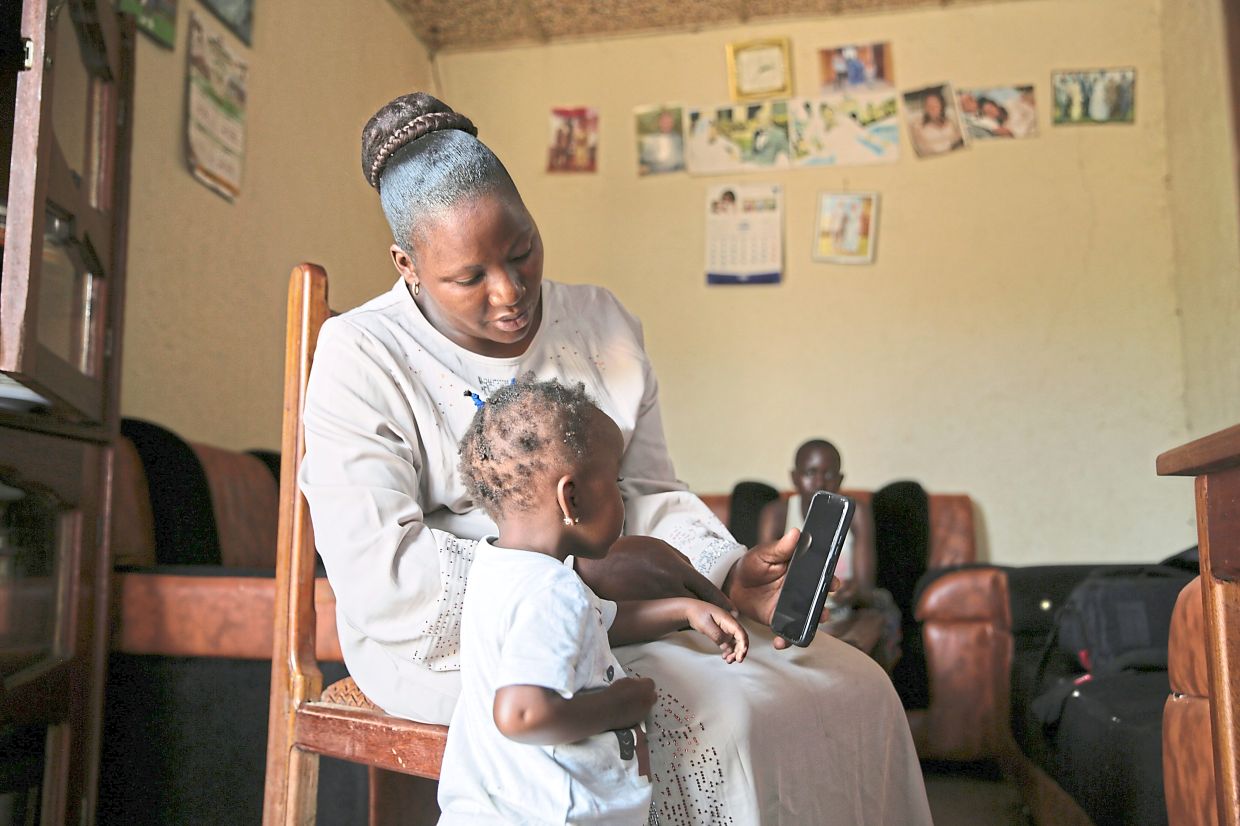
Kombi's own infection illustrated the devastating consequences of this knowledge gap. Exposed to others carrying the virus through routine contact, he lacked even basic information about transmission or survival prospects. The disease became not merely a medical crisis but a social catastrophe, as those who recovered faced rejection and stigma. When Kombi attempted to rebuild his life within Beni's community, he encountered persistent suspicion and exclusion rooted in the false belief that survivors remained dangerous or that recovery itself was impossible. This social death accompanying physical survival created profound psychological wounds that outlasted the acute phase of illness.
Bienfait Wanzire, another survivor from the 2018 outbreak, adds crucial perspective on how political context amplified public confusion during the crisis. In Beni, where election campaigns were underway during the outbreak, segments of the population reinterpreted the epidemic through a political lens, viewing it as a deliberate destabilization tactic rather than an epidemiological emergency. This politicization of public health created additional barriers to the messaging campaigns that health authorities desperately needed to disseminate. When disease prevention becomes entangled with political suspicion, communities naturally gravitate toward protective behaviours rooted in mistrust of all authorities rather than scientific guidance.
Dr Babah Mutuza Lusungu, a physician working in Beni during the 2018 outbreak, witnessed firsthand how this climate of disbelief translated into preventable deaths. His personal loss—including his uncle and two colleagues—underscores the toll on healthcare workers themselves, who found themselves simultaneously grieving losses and fighting an uphill battle for credibility. The doctor describes a pervasive atmosphere of mutual suspicion that fractured relationships between the population, government authorities, international health partners, and frontline medical staff. When communities lose faith in the very institutions attempting to save them, outbreak response becomes exponentially more difficult, as people avoid testing, hide illnesses, and reject isolation measures that could prevent transmission.
Dr Lusungu's observations point to a critical institutional weakness that persists into the current outbreak landscape across Congo. Youth, who represent a crucial demographic for shaping community attitudes and behaviour, were largely excluded from response planning and implementation during 2018-2020. By failing to engage young leaders and influencers as partners in outbreak communication, health authorities missed the opportunity to distribute accurate information through trusted local networks. The doctor emphasizes that waiting until dozens of confirmed cases accumulate before launching effective community engagement represents a fatal strategy—by that point, misinformation has already taken root and resistance has hardened into cultural practice.
The current Ebola situation in Congo adds urgency to these historical lessons. As of early June, the outbreak caused by the rare Bundibugyo virus—a lesser-known strain capable of causing Ebola disease—had produced 550 confirmed cases with 101 deaths and 19 recoveries recorded. Critically, this outbreak emerges without an approved vaccine, eliminating the pharmacological tool that ultimately contained the 2018-2020 crisis. Health authorities must therefore rely entirely on community cooperation, contact tracing, and behaviour change to interrupt transmission. The absence of a vaccine amplifies the importance of addressing the very scepticism and misinformation that Kombi, Wanzire, and Dr Lusungu experienced during their outbreak.
Esperance Masinda, who worked for the UN children's agency in Beni during the 2018 outbreak, speaks to the compounded trauma of caring for children orphaned by the disease while managing her own infection. After contracting Ebola while caring for her husband, a medical doctor, both ultimately recovered thanks to the vaccine. Yet recovery brought its own anguish. Community members subjected the couple to horrific predictions of imminent death from the medication they had received, reflecting deep-seated distrust of medical interventions. This experience of being blamed for their own survival encapsulates the psychological assault that accompanies infectious disease outbreaks in communities already fractured by mistrust.
Masinda's subsequent observation reveals an important trajectory, however. She notes that the stigma directed at survivors has gradually diminished over time as neighbours have witnessed their continued health and normalcy. This suggests that sustained survivor engagement and visibility can gradually repair the social fabric damaged by outbreaks. For Southeast Asian countries monitoring regional disease threats, the Congolese experience demonstrates that outbreak preparedness must include robust plans for combating misinformation and building institutional trust long before the next emergency arrives. The disease itself may be biological, but the conditions allowing it to spread are deeply social and political.
For Malaysian policymakers and public health professionals, the Congo case study offers critical insights applicable to regional outbreak response. The role of misinformation in amplifying epidemic spread, the importance of engaging community leaders and youth in outbreak communication, and the necessity of maintaining institutional credibility during health emergencies all transcend geographic and cultural boundaries. As the region faces ongoing threats from emerging infectious diseases, the hard-won lessons from Congo's survivors underscore an uncomfortable truth: the technical capacity to identify and contain outbreaks means little without the social foundation of community trust and accurate health literacy.