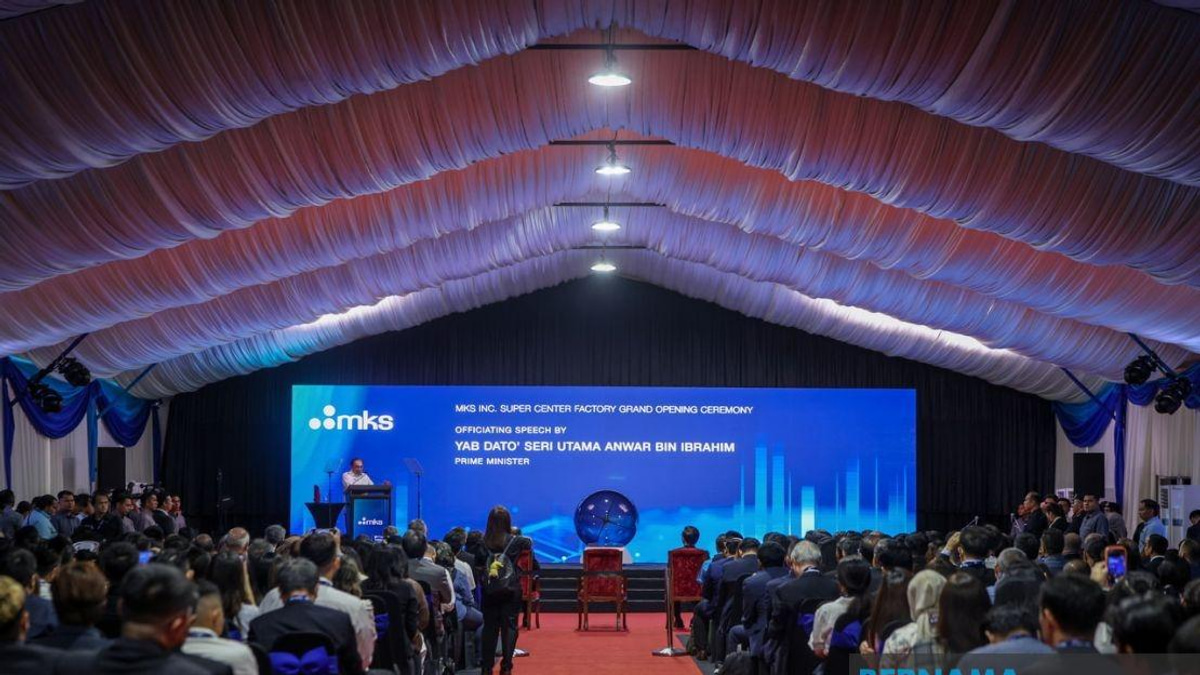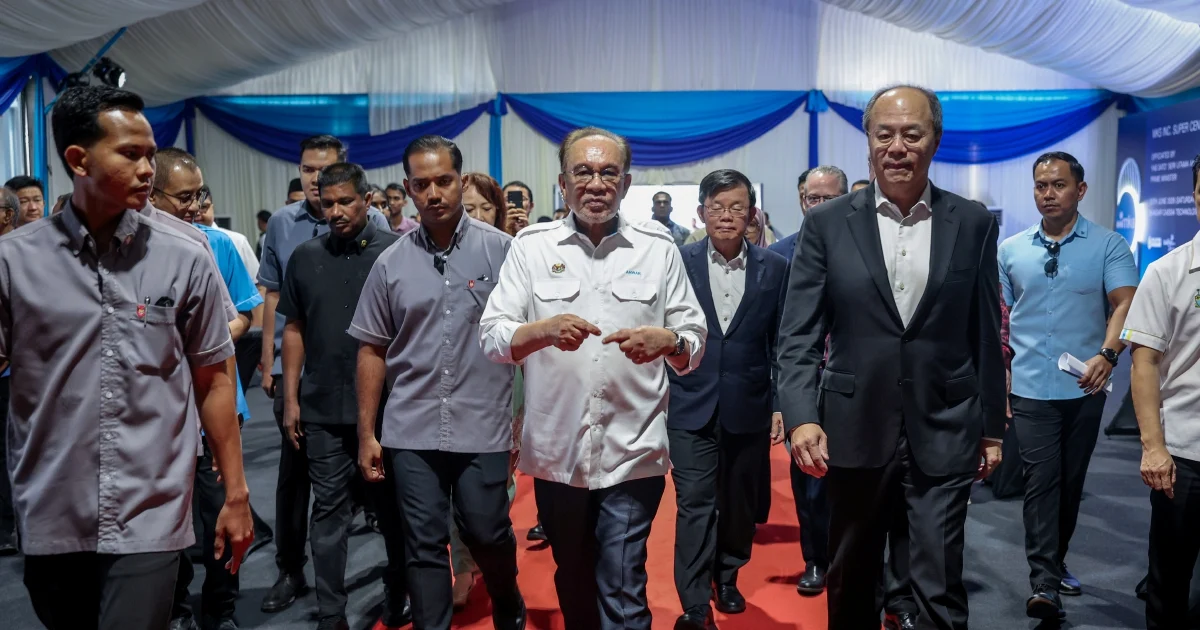
Prime Minister Datuk Seri Anwar Ibrahim has underscored the strategic advantage Malaysia gains by pursuing balanced diplomatic relations across the globe, arguing that this approach is translating into tangible economic benefits through renewed investor interest. Speaking in Batu Kawan, Anwar framed Malaysia's commitment to engaging constructively with all powers—regardless of geopolitical tensions—as a cornerstone policy that distinguishes the country as a reliable and neutral investment destination in an increasingly fractious international environment.
The Prime Minister's remarks highlight a deliberate positioning strategy amid rising geopolitical complexities, particularly the intensifying strategic competition between major economies and regional power shifts. By maintaining strategic autonomy and refusing to take sides in broader global disputes, Malaysia aims to remain attractive to investors from multiple economic blocs who might otherwise avoid countries perceived as aligned with one faction over another. This diplomatic fence-sitting, when executed consistently and transparently, can create conditions where foreign capital flows more readily into the country.
Anwar's framing reflects recognition that investor sentiment is shaped not merely by macroeconomic fundamentals or regulatory frameworks, but by political stability and predictability. Multinational corporations and sovereign wealth funds increasingly factor geopolitical risk into investment decisions. A nation that demonstrates credible commitment to neutrality and rules-based engagement can command a premium in terms of capital inflows compared to neighbours or competitors perceived as captive to one power bloc.
The policy stance is particularly relevant for Southeast Asia, where the region faces mounting pressure from competing powers seeking alignment on issues ranging from the South China Sea to technology standards and trade rules. Malaysia's ability to maintain cordial relations with the United States, China, India, Japan, and European nations simultaneously—while participating selectively in multilateral forums—provides investors with assurance that sudden policy reversals driven by external pressure are unlikely. Such predictability reduces perceived political risk premiums on Malaysian investments.
Economic growth dynamics underscore why Anwar has made this argument a priority messaging point. Malaysia has faced periods of slower expansion and needed to rebuild investor confidence after domestic political transitions. A clear articulation of the country's neutral foreign policy position provides a straightforward narrative that can be deployed across investment roadshows and international business conferences. Investors evaluating competing destinations in the region—Thailand, Vietnam, Indonesia, or the Philippines—can be assured that Malaysia will not experience sudden shifts in trade relationships or foreign policy that might disrupt their operations.
The neutrality stance also carries implications for Malaysia's ability to attract investment in sensitive sectors. Technology companies, particularly those with operations across multiple jurisdictions, are increasingly wary of countries that appear aligned with specific superpowers, as this can create regulatory complications or sanction risks. By maintaining genuine neutrality, Malaysia creates space for companies to operate without fear that their presence in the country signals geopolitical alignment that might trigger repercussions elsewhere.
However, implementing this balancing act requires sophisticated statecraft and careful calibration. The Malaysian government must demonstrate that its neutrality is principled rather than opportunistic—that it genuinely respects international law and multilateral institutions rather than simply avoiding commitments when convenient. Investor confidence depends on believing the government's commitments will be honoured across different administrations and geopolitical conditions. Any perception of hypocrisy or strategic inconsistency would undermine the very confidence Anwar seeks to cultivate.
Regional context adds weight to this policy declaration. Vietnam and Thailand have both tilted noticeably toward expanded strategic partnerships with either Western powers or China in recent years, which has created diplomatic friction with other parties. The Philippines has experienced significant volatility in its positioning. Malaysia's consistent maintenance of genuine non-alignment, despite occasional domestic political pressures, distinguishes it as a relatively stable player with predictable governance. This positioning is valuable when investors are conducting due diligence on expansion plans.
The economic translation of diplomatic capital is multifaceted. Beyond direct foreign direct investment flows, Malaysia's neutral positioning supports its aspirations in financial services, where institutions require confidence that operations will not be suddenly disrupted by geopolitical alignments. It also benefits the country's efforts to position itself as a regional hub for companies seeking to maintain presence across multiple markets without committing to narrow strategic alignments.
Anwar's remarks also suggest the government recognizes that Malaysia must actively communicate this advantage rather than assuming it is self-evident. In competitive regional environments, countries that articulate their value proposition clearly often capture disproportionate investor attention. By explicitly connecting neutrality to economic benefits, Anwar is making the case for Malaysia as an alternative to destinations where political alignments create complications or constraints.
Looking forward, maintaining this diplomatic equilibrium will require consistent implementation across multiple government agencies and successive administrations. The credibility Anwar seeks to establish through these statements can only be sustained if Malaysia's actions—in trade negotiations, security partnerships, and multilateral forums—reflect genuine commitment to balanced engagement rather than short-term tactical maneuvering. International investors conduct extensive due diligence on political stability and policy predictability; strategic inconsistency will rapidly erode confidence gains.

%22%2F%3E%3C%2Fpattern%3E%3C%2Fdefs%3E%3Crect%20width%3D%22100%25%22%20height%3D%22100%25%22%20fill%3D%22url(%23ph1hg20g)%22%2F%3E%3Crect%20width%3D%22100%25%22%20height%3D%22100%25%22%20fill%3D%22url(%23ph1hg20p)%22%2F%3E%3Ctext%20x%3D%2250%25%22%20y%3D%2250%25%22%20text-anchor%3D%22middle%22%20dominant-baseline%3D%22central%22%20fill%3D%22rgba(255%2C255%2C255%2C0.95)%22%20font-family%3D%22Georgia%2C%20'Times%20New%20Roman'%2C%20serif%22%20font-weight%3D%22700%22%20font-size%3D%22272%22%20letter-spacing%3D%22-0.02em%22%3EJamal%3C%2Ftext%3E%3C%2Fsvg%3E)