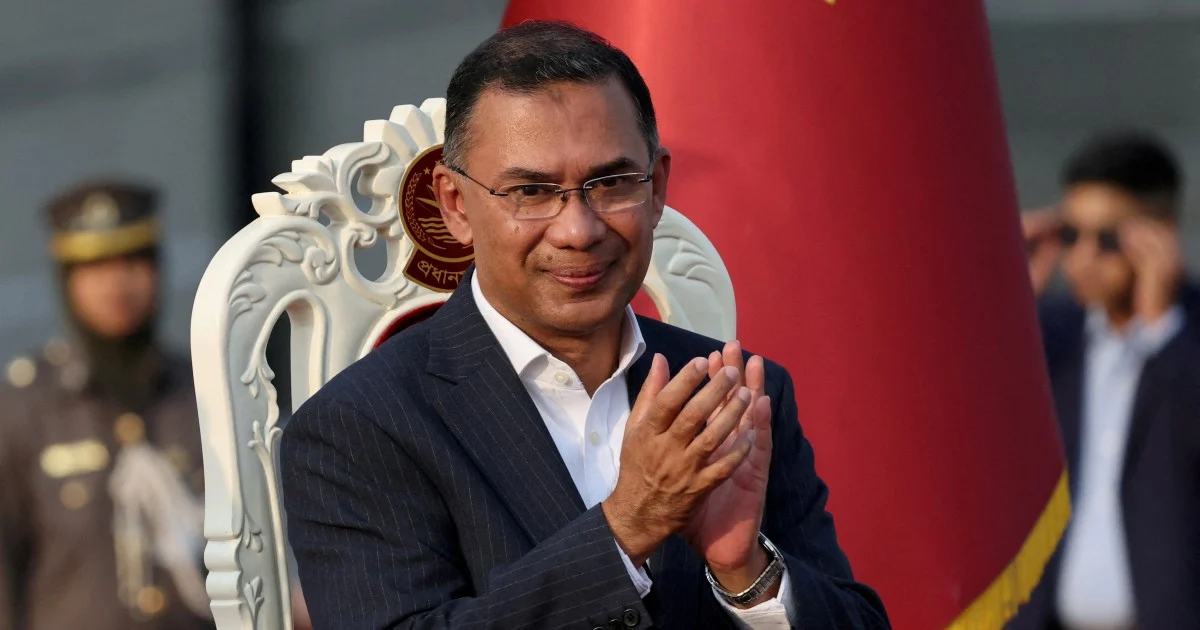
Bangladesh Prime Minister Tarique Rahman touched down in Sepang today, marking the beginning of an official state visit designed to reinvigorate diplomatic ties between Dhaka and Kuala Lumpur. The visit underscores both nations' commitment to elevating their relationship and exploring fresh avenues for economic and strategic collaboration in an increasingly interconnected Southeast Asia.
The timing of the visit comes at a significant juncture for both countries, as Bangladesh navigates its transition following recent political developments, while Malaysia continues to position itself as a key regional player in South Asian engagement. Tarique Rahman's decision to prioritise Malaysia as an early diplomatic destination signals the importance Dhaka places on its relationship with the Malaysian government and its broader integration within the Southeast Asian community.
Official cooperation between the two nations has traditionally encompassed trade, investment, education, and cultural exchange. Bangladesh, with a population exceeding 170 million and growing economic aspirations, represents both a significant market and a potential source of skilled labour for Malaysian enterprises. The visit is expected to explore mechanisms for expanding these existing linkages and addressing emerging areas of mutual interest.
During his time in Malaysia, Tarique Rahman is anticipated to hold high-level meetings with Malaysian government officials to discuss bilateral matters and regional challenges. Such engagements typically cover trade imbalances, labour mobility agreements, and cooperation within regional forums such as ASEAN, where Bangladesh maintains observer status and participates actively in maritime and security discussions affecting the region.
The visit also reflects Malaysia's broader diplomatic strategy of maintaining constructive relationships with neighbouring and near-neighbouring countries. For Malaysia, deepening ties with Bangladesh serves multiple strategic purposes: strengthening economic interdependencies, enhancing maritime security cooperation, and fostering stability in South Asia, which has significant ramifications for Southeast Asian security and prosperity.
Bilateral trade figures and investment flows between the two countries provide context for the visit's emphasis on economic cooperation. Malaysian companies have considerable interests in Bangladesh's manufacturing, energy, and infrastructure sectors, while Bangladesh supplies Malaysia with labour in various industries. The visit offers an opportunity to review trade performance and identify sectors where further growth is achievable, particularly in technology transfer and higher-value manufacturing.
Education represents another pillar of the relationship, with hundreds of Bangladeshi students annually pursuing higher education in Malaysian universities. These institutional connections facilitate people-to-people contact and create networks of professionals who later contribute to stronger economic and political ties between their home countries. The visit may yield discussions on expanding scholarship programmes and academic exchange initiatives.
Regional stability, particularly concerning maritime issues in the Bay of Bengal and shared waterways, constitutes an implicit dimension of the dialogue. Bangladesh's position as a crucial player in managing maritime traffic and security in the Indian Ocean region makes it an important partner for Malaysia's wider strategic vision, especially as both nations grapple with challenges ranging from piracy to environmental degradation of shared marine ecosystems.
Cultural and religious connections also underscore the bilateral relationship. With Islam serving as the primary faith in both nations, people-to-people exchanges and interfaith initiatives have fostered goodwill. The visit may generate announcements regarding cultural festivals, religious cooperation initiatives, or educational exchanges that celebrate these shared values while projecting soft power regionally.
From Tarique Rahman's perspective, the visit demonstrates Bangladesh's commitment to strengthening relationships across South Asia and Southeast Asia simultaneously. Such diplomatic engagement helps establish Bangladesh as a stable, forward-thinking partner and counters any perceptions of instability that may arise from recent domestic political transitions. Building robust international partnerships enhances Bangladesh's leverage in regional negotiations and supports its developmental agenda.
The expected outcomes of this visit likely include joint statements affirming cooperation frameworks, possibly announcements of new trade agreements or investment pledges, and potentially agreements on specific sectoral collaborations. These tangible results demonstrate to both domestic constituencies and the international community that diplomatic engagement yields concrete benefits.
Looking ahead, this visit establishes a foundation for deeper institutionalisation of bilateral relations, potentially through regular high-level exchanges and working group meetings focused on specific sectors. For Malaysian observers, the visit signals renewed momentum in South Asian relations and reflects a diplomatic approach that seeks to position Malaysia as a neutral, constructive player in managing relationships across Asia's diverse geopolitical landscape.
As both nations continue navigating regional complexities and economic challenges, sustained engagement at the highest levels becomes increasingly valuable, providing channels for dialogue that extend beyond economic transactions to encompass shared security concerns and cultural aspirations that bind their societies together.
%22%2F%3E%3C%2Fpattern%3E%3C%2Fdefs%3E%3Crect%20width%3D%22100%25%22%20height%3D%22100%25%22%20fill%3D%22url(%23ph21ak7g)%22%2F%3E%3Crect%20width%3D%22100%25%22%20height%3D%22100%25%22%20fill%3D%22url(%23ph21ak7p)%22%2F%3E%3Ctext%20x%3D%2250%25%22%20y%3D%2250%25%22%20text-anchor%3D%22middle%22%20dominant-baseline%3D%22central%22%20fill%3D%22rgba(255%2C255%2C255%2C0.95)%22%20font-family%3D%22Georgia%2C%20'Times%20New%20Roman'%2C%20serif%22%20font-weight%3D%22700%22%20font-size%3D%22320%22%20letter-spacing%3D%22-0.02em%22%3EIran%3C%2Ftext%3E%3C%2Fsvg%3E)
%22%2F%3E%3C%2Fpattern%3E%3C%2Fdefs%3E%3Crect%20width%3D%22100%25%22%20height%3D%22100%25%22%20fill%3D%22url(%23ph44qleg)%22%2F%3E%3Crect%20width%3D%22100%25%22%20height%3D%22100%25%22%20fill%3D%22url(%23ph44qlep)%22%2F%3E%3Ctext%20x%3D%2250%25%22%20y%3D%2250%25%22%20text-anchor%3D%22middle%22%20dominant-baseline%3D%22central%22%20fill%3D%22rgba(255%2C255%2C255%2C0.95)%22%20font-family%3D%22Georgia%2C%20'Times%20New%20Roman'%2C%20serif%22%20font-weight%3D%22700%22%20font-size%3D%22320%22%20letter-spacing%3D%22-0.02em%22%3EMUDA%3C%2Ftext%3E%3C%2Fsvg%3E)