%22%2F%3E%3C%2Fpattern%3E%3C%2Fdefs%3E%3Crect%20width%3D%22100%25%22%20height%3D%22100%25%22%20fill%3D%22url(%23ph44qleg)%22%2F%3E%3Crect%20width%3D%22100%25%22%20height%3D%22100%25%22%20fill%3D%22url(%23ph44qlep)%22%2F%3E%3Ctext%20x%3D%2250%25%22%20y%3D%2250%25%22%20text-anchor%3D%22middle%22%20dominant-baseline%3D%22central%22%20fill%3D%22rgba(255%2C255%2C255%2C0.95)%22%20font-family%3D%22Georgia%2C%20'Times%20New%20Roman'%2C%20serif%22%20font-weight%3D%22700%22%20font-size%3D%22320%22%20letter-spacing%3D%22-0.02em%22%3EMUDA%3C%2Ftext%3E%3C%2Fsvg%3E)
The Malaysian United Democratic Alliance (MUDA) has expanded its slate of candidates contesting the forthcoming Johor state election, announcing four individuals who will represent the party across key constituencies in what is shaping up to be a closely watched electoral contest in the peninsula's southern state. The announcement underscores MUDA's determination to establish a meaningful presence in Johor, a traditional stronghold of established political forces where the younger party aims to make electoral headway among voters seeking fresh political alternatives.
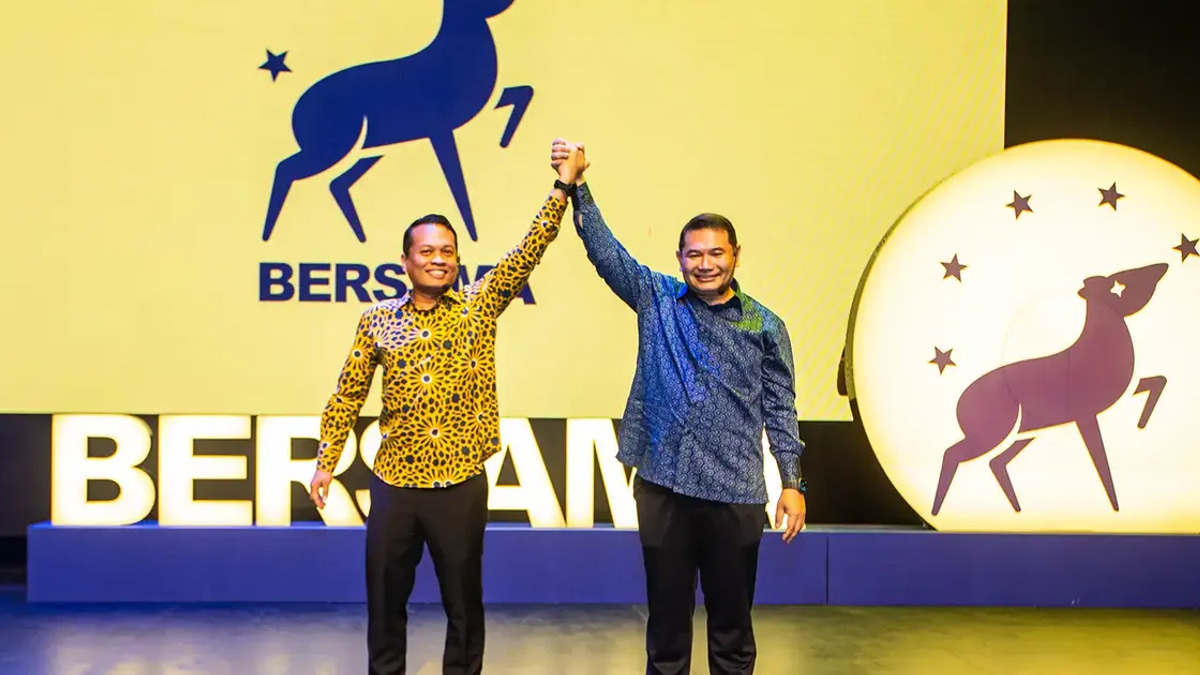
Party president Amira Aisya Abdul Aziz unveiled the candidate roster during the Malam Suara MUDA event in Kuala Lumpur on June 21, signalling the organisation's commitment to fielding diverse representatives across the state. The candidates span different age groups and professional backgrounds, reflecting a deliberate strategy to appeal to various voter demographics across the constituencies they will contest. This multi-generational approach demonstrates MUDA's recognition that electoral success in Johor requires reaching voters at multiple life stages and addressing concerns specific to different demographic segments.
M. Premanand, the 53-year-old MUDA chief for Kulai, will contest the Bukit Batu state seat, bringing administrative experience and local organisational credentials to a constituency where grassroots mobilisation will prove crucial. His candidacy represents MUDA's effort to balance youth-oriented messaging with established community leadership, positioning the party as capable of drawing on experienced personnel while maintaining its identity as a reform-minded political force seeking to disrupt the status quo in Malaysian politics.
Muhammad Amir Fiqri, at 30 years old, has been selected as MUDA's candidate for the Maharani constituency, taking on the responsibility as Muar's information chief. His relative youth and communication background position him to engage with younger voters and deploy digital communication strategies that MUDA has increasingly emphasised as part of its political outreach. The choice of a communications professional for Maharani suggests the party is prioritising messaging discipline and media engagement in constituencies where cultivating a strong public narrative may prove decisive.
Ainie Haziqah Shafii, the party's secretary-general, represents perhaps MUDA's most high-profile candidacy in this announcement, contesting the Simpang Jeram seat. At 36 years old, she occupies one of the organisation's most senior positions and her decision to stand for elected office underscores the party's confidence in her ability to translate administrative capability into electoral performance. Her candidacy carries symbolic weight, demonstrating that MUDA's leadership is willing to put its most trusted figures on the ballot line and directly face voters rather than operating exclusively from behind-the-scenes positions.
The day prior to the announcement of these three candidates, MUDA had already named Rashifa Aljunied, a 26-year-old leading the Puteri Wangsa State Constituency Service Centre, as the party's candidate for the Puteri Wangsa seat. This earlier revelation established momentum heading into the subsequent announcement, creating a narrative arc that builds anticipation around MUDA's full campaign strategy in Johor. Aljunied's youth and direct community service background illustrate MUDA's emphasis on fielding candidates with demonstrated commitment to constituent engagement at the grassroots level.
The Electoral Commission has established an accelerated timeline for the Johor state election that compresses the typical campaign period. Nomination day falls on June 27, leaving candidates minimal time to launch formal campaigns before early voting commences on July 7, with polling day scheduled for July 11. This compressed schedule presents distinct challenges for MUDA, a party with more limited resources than established competitors but which has developed sophisticated digital campaign capabilities that may partially offset financial disadvantages in such a compressed timeframe.
MUDA's performance in the Johor election carries implications extending beyond the state itself. As a relatively young political party that emerged as a significant electoral force during the 2022 general election by appealing to younger and more urban voters dissatisfied with both the Pakatan Harapan and Barisan Nasional coalitions, the party's ability to establish itself in Johor could signal its trajectory toward becoming a sustained third force in Malaysian politics. Johor remains Malaysia's second-most populous state by some measures and retains substantial economic and political significance, making electoral performance there consequential for national political calculations.
The candidates selected across these four constituencies represent MUDA's ongoing effort to project an inclusive image that combines professional competence with reform-oriented politics. By fielding candidates across age ranges and professional backgrounds while maintaining clear representation within party hierarchy, MUDA continues constructing a political identity distinct from both Barisan Nasional, traditionally associated with institutional continuity and established political networks, and Pakatan Harapan, which, while originally a reformist coalition, faces questions about renewal and generational transition following the 2022 election.
For Malaysian voters in Johor and observers across Southeast Asia monitoring Malaysia's evolving political landscape, the Johor state election represents another crucial test of whether MUDA can convert the enthusiasm and organisational capacity that made the party a surprise electoral factor nationally into sustained success at the state level, where ground-level political machinery and local political knowledge often prove decisive. The combination of fresh candidates, an accelerated election timeline, and MUDA's still-developing organisational infrastructure creates an environment where campaign strategy and voter engagement will prove particularly consequential in determining electoral outcomes.
%22%2F%3E%3C%2Fpattern%3E%3C%2Fdefs%3E%3Crect%20width%3D%22100%25%22%20height%3D%22100%25%22%20fill%3D%22url(%23ph2zjotg)%22%2F%3E%3Crect%20width%3D%22100%25%22%20height%3D%22100%25%22%20fill%3D%22url(%23ph2zjotp)%22%2F%3E%3Ctext%20x%3D%2250%25%22%20y%3D%2250%25%22%20text-anchor%3D%22middle%22%20dominant-baseline%3D%22central%22%20fill%3D%22rgba(255%2C255%2C255%2C0.95)%22%20font-family%3D%22Georgia%2C%20'Times%20New%20Roman'%2C%20serif%22%20font-weight%3D%22700%22%20font-size%3D%22170%22%20letter-spacing%3D%22-0.02em%22%3EMalaysia%3C%2Ftext%3E%3C%2Fsvg%3E)