%22%2F%3E%3C%2Fpattern%3E%3C%2Fdefs%3E%3Crect%20width%3D%22100%25%22%20height%3D%22100%25%22%20fill%3D%22url(%23ph21ak7g)%22%2F%3E%3Crect%20width%3D%22100%25%22%20height%3D%22100%25%22%20fill%3D%22url(%23ph21ak7p)%22%2F%3E%3Ctext%20x%3D%2250%25%22%20y%3D%2250%25%22%20text-anchor%3D%22middle%22%20dominant-baseline%3D%22central%22%20fill%3D%22rgba(255%2C255%2C255%2C0.95)%22%20font-family%3D%22Georgia%2C%20'Times%20New%20Roman'%2C%20serif%22%20font-weight%3D%22700%22%20font-size%3D%22320%22%20letter-spacing%3D%22-0.02em%22%3EIran%3C%2Ftext%3E%3C%2Fsvg%3E)
Iranian President Masoud Pezeshkian disclosed on Sunday that his government will recover US$6 billion in frozen assets currently held in Qatar, casting the recovery as part of a broader preliminary accord with the United States aimed at easing months of escalating Middle East tensions. The announcement signals a tangible confidence-building measure as both nations prepare for substantive negotiations to stabilise one of the world's most strategically vital regions.
Pezeshkian's confirmation came through state broadcaster IRIB, emphasising that the asset release would commence once the formal negotiation process begins in earnest. The frozen funds represent long-standing financial claims that Tehran has sought to recover, and their return would provide immediate economic relief to Iran's cash-constrained government. The symbolism of releasing such capital early in talks underscores the seriousness both parties are investing in the diplomatic initiative.
However, the Iranian president simultaneously hardened Tehran's negotiating position on another critical issue: uranium enrichment. Pezeshkian declared unequivocally that Iran will never relinquish its right to develop nuclear capacity, insisting that the American side must ultimately accept this reality as a non-negotiable component of any lasting agreement. This statement sets a clear boundary for discussions, indicating that while Iran welcomes economic relief and normalisation efforts, it will not compromise on what it views as a fundamental sovereign prerogative.
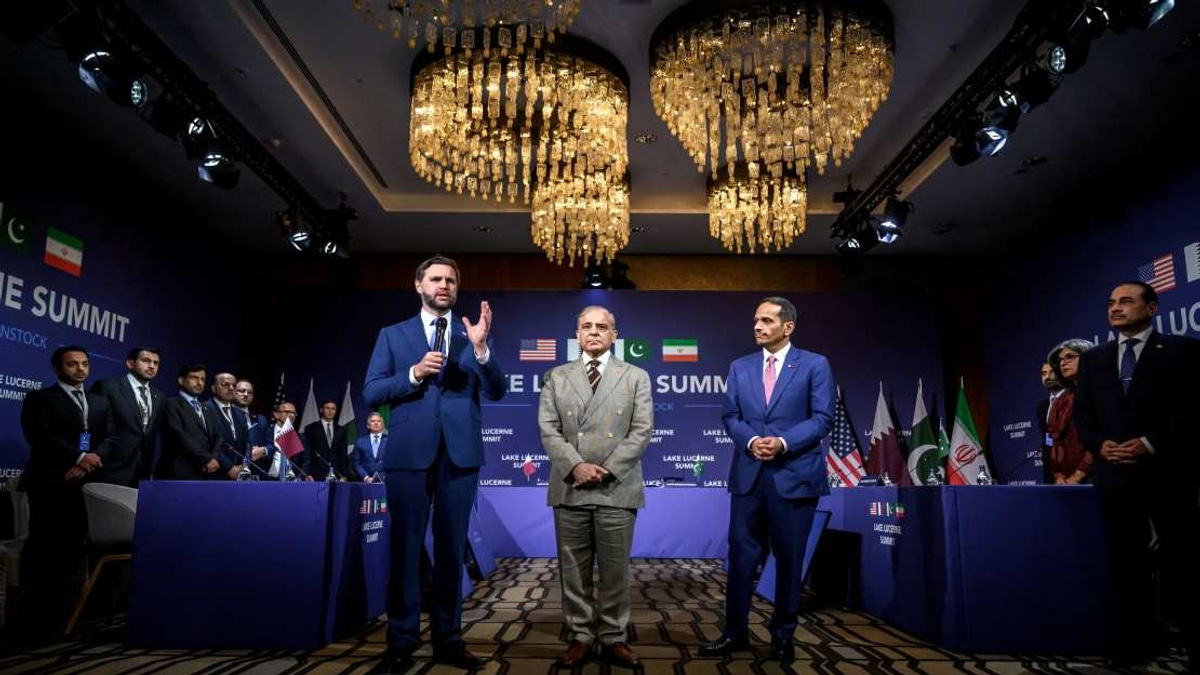
The diplomatic momentum accelerated this week as delegations from both countries arrived in Switzerland to begin technical negotiations governed by a memorandum of understanding formalised on Wednesday. The agreement's signing represented a watershed moment after months of escalating military confrontations and deepening regional instability that threatened global energy supplies and international security. By anchoring talks in Switzerland, a traditionally neutral venue, both sides have created diplomatic space for sustained engagement without the domestic political pressures that plague other locations.
The Swiss discussions will be steered by prominent figures from each nation, underscoring the significance of the deliberations. The American delegation will be headed by Vice President JD Vance, signalling direct involvement from the highest echelons of the US administration. Iran's negotiating team brings complementary expertise and authority through Parliament Speaker Mohammad Bagher Qalibaf and Foreign Minister Abbas Araghchi, individuals deeply versed in Iran's strategic interests and international relations architecture.
Pakistan's role as mediator reflects the broader regional stakes at play and Islamabad's own interest in reducing volatility along its eastern frontiers. As a neighbouring nation to both Iran and the contested waters of the Arabian Sea, Pakistan has strong incentive to broker sustainable peace. The mediation framework also demonstrates how Middle Eastern disputes increasingly require multi-stakeholder diplomatic engagement, particularly when major powers like the United States are principal actors.
For Malaysian and Southeast Asian observers, the negotiations carry substantial implications. The Strait of Hormuz remains critical infrastructure for regional trade and energy security; any protracted conflict there directly affects shipping routes, insurance premiums, and oil prices affecting every nation dependent on Gulf supplies. Malaysia's position as a major Asian trading hub means fluctuations in Gulf stability transmit quickly through regional supply chains and financial markets. Consequently, progress toward reopening the Strait and normalising commerce represents a genuine Southeast Asian interest, not merely a distant geopolitical abstraction.
The preliminary nature of the current accord suggests a phased approach where initial confidence-building measures, such as the asset release, precede deeper negotiations on military de-escalation, sanctions relief, and the nuclear question. This sequencing allows both sides to demonstrate commitment incrementally while managing domestic political constituencies. For Iran, asset recovery validates the decision to enter talks; for the United States, it signals willingness to address Iranian grievances while securing guarantees on weapons development.
Yet substantial obstacles remain. The uranium enrichment issue that Pezeshkian foregrounded represents perhaps the single most contentious element of any comprehensive agreement, involving competing visions of Iran's technical capacity and international obligations. Previous attempts at nuclear settlement, including the Joint Comprehensive Plan of Action, foundered partly on verification mechanisms and sanctions sequencing. Current negotiators will need to navigate similar treacherous terrain, devising arrangements that satisfy both nations' security imperatives and domestic political requirements.
The timing of these negotiations occurs against broader geopolitical shifts reshaping the Middle East. Normalisation between Israel and several Arab states, evolving regional balances of power, and adjustments in superpower engagement have altered the context substantially from previous diplomatic episodes. This transformed landscape may create either additional complications or, conversely, new possibilities for creative solutions that escaped earlier negotiators.
Looking forward, success in Burgenstock could establish precedent for managing other regional conflicts through structured diplomacy rather than military escalation. The pathway forward demands patience, sophisticated negotiation, and willingness from both sides to acknowledge legitimate concerns while seeking common ground on practical arrangements. For Malaysia and the broader region, the coming weeks of talks deserve close attention, as their outcome will significantly influence regional stability, energy markets, and the international rules-based order that underpins Southeast Asian prosperity.
%22%2F%3E%3C%2Fpattern%3E%3C%2Fdefs%3E%3Crect%20width%3D%22100%25%22%20height%3D%22100%25%22%20fill%3D%22url(%23ph2zjotg)%22%2F%3E%3Crect%20width%3D%22100%25%22%20height%3D%22100%25%22%20fill%3D%22url(%23ph2zjotp)%22%2F%3E%3Ctext%20x%3D%2250%25%22%20y%3D%2250%25%22%20text-anchor%3D%22middle%22%20dominant-baseline%3D%22central%22%20fill%3D%22rgba(255%2C255%2C255%2C0.95)%22%20font-family%3D%22Georgia%2C%20'Times%20New%20Roman'%2C%20serif%22%20font-weight%3D%22700%22%20font-size%3D%22170%22%20letter-spacing%3D%22-0.02em%22%3EMalaysia%3C%2Ftext%3E%3C%2Fsvg%3E)