%22%2F%3E%3C%2Fpattern%3E%3C%2Fdefs%3E%3Crect%20width%3D%22100%25%22%20height%3D%22100%25%22%20fill%3D%22url(%23ph5g9zrg)%22%2F%3E%3Crect%20width%3D%22100%25%22%20height%3D%22100%25%22%20fill%3D%22url(%23ph5g9zrp)%22%2F%3E%3Ctext%20x%3D%2250%25%22%20y%3D%2250%25%22%20text-anchor%3D%22middle%22%20dominant-baseline%3D%22central%22%20fill%3D%22rgba(255%2C255%2C255%2C0.95)%22%20font-family%3D%22Georgia%2C%20'Times%20New%20Roman'%2C%20serif%22%20font-weight%3D%22700%22%20font-size%3D%22272%22%20letter-spacing%3D%22-0.02em%22%3EAnwar%3C%2Ftext%3E%3C%2Fsvg%3E)
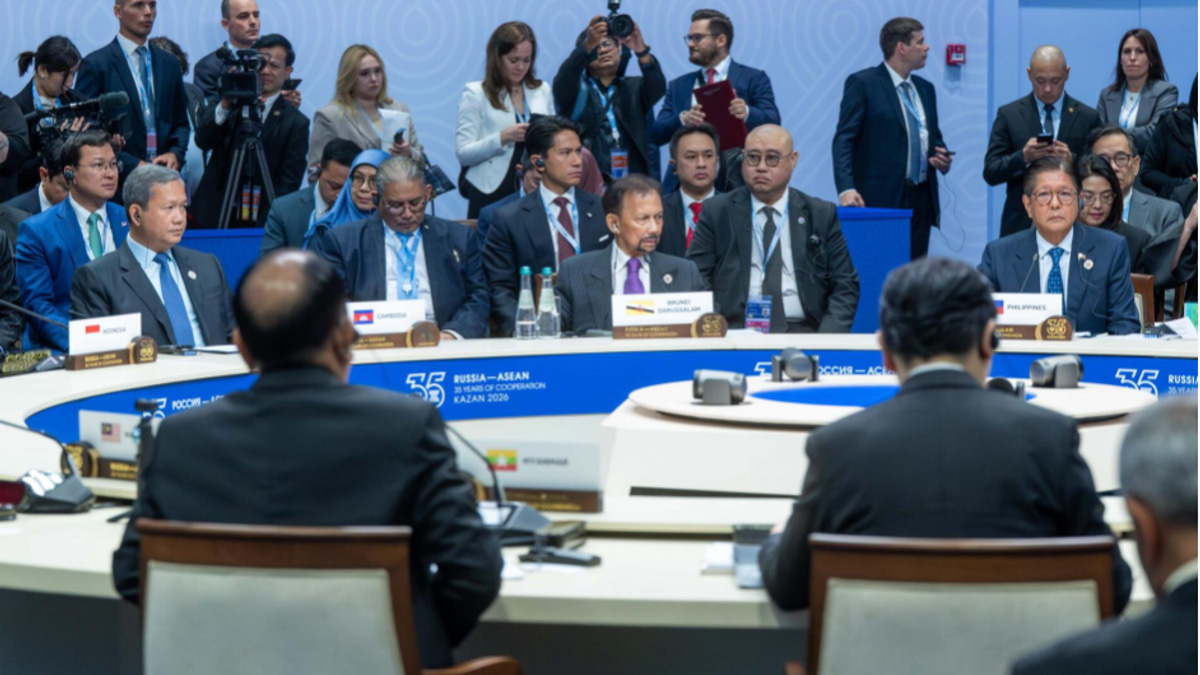
Prime Minister Datuk Seri Anwar Ibrahim has made a public push for Asean to deepen its engagement with Russia across multiple strategic domains, particularly trade, artificial intelligence development, and energy cooperation. Speaking at a regional gathering, Anwar outlined an ambitious vision for bilateral and multilateral partnerships that would benefit both the bloc of Southeast Asian nations and Moscow, positioning such ties as mutually advantageous in an increasingly multipolar world order.
The Malaysian leader's remarks carry significance beyond diplomatic pleasantries, reflecting a careful recalibration of Asean's external relations. Rather than gravitating exclusively towards Western-aligned frameworks, Anwar's intervention suggests that Southeast Asian nations view engagement with Russia as a legitimate and necessary part of a balanced foreign policy. This positioning acknowledges the reality that Asean members, including Malaysia, must navigate complex geopolitical terrain without sacrificing economic opportunity or political sovereignty. The emphasis on multiple sectors—trade, technology, and energy—indicates that such cooperation is not merely symbolic but rooted in tangible economic and strategic interests.
Commercial ties between Asean and Russia have historically been constrained by geographic distance and Western-led sanctions regimes. However, Anwar's advocacy for strengthened trade relations suggests that Malaysian policymakers see untapped potential in this relationship. Trade corridors between the region and Russia could diversify supply chains and reduce dependence on traditional Western partners, a concern that has grown particularly acute since supply chain disruptions during the pandemic exposed vulnerabilities in existing arrangements. For Malaysia specifically, enhanced commerce with Russia might open new export opportunities and secure alternative sources for raw materials and energy products.
The artificial intelligence component of Anwar's proposal deserves particular attention, as it reflects recognition that technological competition and cooperation will define the next phase of global development. Asean nations, including Malaysia, have invested heavily in building digital economies and innovation ecosystems. Collaboration with Russia in AI research and development could complement existing partnerships with Western technology leaders while preserving technological independence. This multi-source approach to technological advancement reduces the risk of overdependence on any single great power and allows Southeast Asian nations to absorb best practices from diverse sources.
Energy cooperation represents perhaps the most pragmatic pillar of the proposed partnership. Russia remains one of the world's largest energy producers, controlling vast reserves of oil and natural gas. Asean nations, particularly those pursuing industrial development and expanding power generation capacity, face persistent energy security challenges. Diversifying energy sources and securing long-term supply agreements with Russia could provide stability and potentially more competitive pricing than exclusive reliance on Middle Eastern suppliers or liquefied natural gas importers. For Malaysia, which itself produces energy but also imports significant quantities, such partnerships offer flexibility in meeting domestic demand and supporting regional economic growth.
Anwar's diplomatic initiative also reflects Malaysia's broader strategic positioning within Asean. As a founding member with considerable diplomatic influence, Malaysia has historically sought to maintain the bloc's centrality in regional affairs while avoiding subordination to any single power. The push for Russia engagement aligns with this tradition of strategic autonomy. It demonstrates that Asean nations are not merely passive recipients of geopolitical pressure from Washington, Beijing, or Moscow, but active architects of their own relationships and capable of crafting balanced external policies that serve national and regional interests.
The timing of such overtures merits consideration as well. The global geopolitical landscape has shifted considerably, with traditional alliances weakening and new configurations emerging. Asean's principle of non-interference and neutrality in great power competitions provides a framework for engagement with Russia without implying alignment against other powers. This allows Asean members to maintain productive relationships with the United States and its allies while simultaneously pursuing opportunities with Russia, a balance that many Southeast Asian policymakers view as essential for regional stability and prosperity.
However, deepening ties with Russia does present complexities that Asean nations must navigate carefully. International sanctions targeting Russia have limited the scope of some cooperation, particularly in financial services and high-technology sectors. Asean members must weigh the benefits of expanded Russia relations against potential pressure from Western partners and concerns about association with contested geopolitical positions. Malaysia, as a trading nation heavily integrated into global commerce, must ensure that any Russia engagement does not jeopardise relationships with larger trading partners or expose the country to secondary sanctions.
The proposal for enhanced cooperation also reflects Asean's long-standing commitment to regional stability through inclusive dialogue. Rather than adopting confrontational approaches, Asean has traditionally preferred engagement and constructive dialogue with all parties. Anwar's call for deeper Russia relations fits within this framework, suggesting that Southeast Asian nations view expanded engagement as a confidence-building measure that could reduce misunderstandings and promote peaceful resolution of disputes. In an era of heightened great power competition, such diplomatic initiatives carry weight in maintaining regional equilibrium.
Looking forward, the success of expanded Asean-Russia cooperation will depend on concrete mechanisms and project implementation. Trade agreements, joint ventures in energy and technology sectors, and educational exchanges could provide tangible benefits to both sides. For Malaysia specifically, pursuing targeted collaboration with Russia in areas of comparative advantage—whether in palm oil and agricultural products, petrochemicals, or technology services—could generate mutual economic gains while advancing broader Asean strategic interests.
Anwar's initiative underscores the reality that Asean's future prosperity depends on pragmatic, multifaceted engagement with diverse partners rather than exclusive reliance on traditional relationships. As the region navigates competing geopolitical pressures, the ability to cultivate relationships with multiple powers—including Russia—enhances Asean's negotiating capacity and creates space for independent policymaking. This approach serves not only Malaysian interests but contributes to regional stability by preventing Asean from becoming a contested arena for great power competition, a principle that has sustained the bloc's relevance for decades.