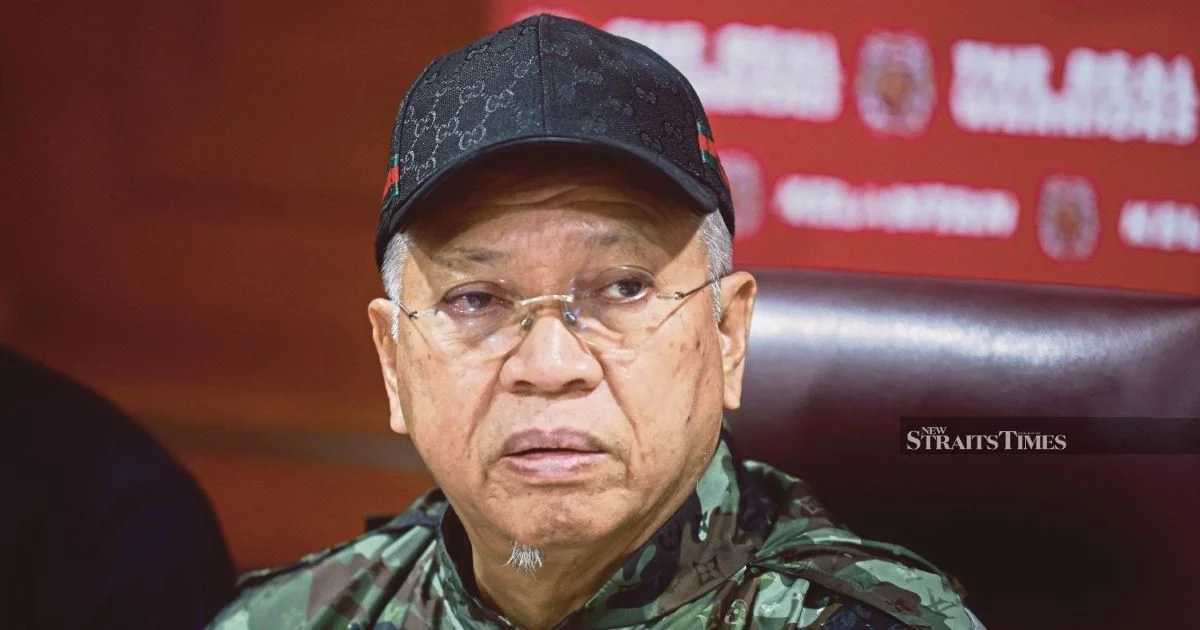
Tan Sri Annuar Musa has admitted to embarking on a personal diplomatic mission to broker peace between Pas and the increasingly divided factions within Bersatu, efforts that ultimately proved unsuccessful in salvaging the unity of Perikatan Nasional. The Kelantan-based leader made the disclosure in Kota Baru, underscoring the mounting challenges facing the coalitional arrangement that emerged as a significant political force following the 2022 general election.
The revelation provides a rare window into the behind-the-scenes negotiations that have occupied senior PN figures in recent months as structural tensions within the coalition have become increasingly difficult to manage. Rather than resolving through public pronouncements, Annuar's decision to acknowledge his failure suggests the coalition recognises the gravity of internal discord and the limitations of quiet diplomacy in addressing ideological and organisational differences between its major components. His candour may reflect an assessment that the coalition's problems have become too visible to ignore or downplay through typical political channels.
Pas, the Islamic party anchoring the conservative wing of Perikatan Nasional, maintains a fundamentally different worldview from elements within Bersatu on multiple policy matters ranging from religious governance to economic priorities. These philosophical divergences have created structural fault lines that transcend mere personality clashes or departmental disagreements. The party's entrenched positions on Islamic law and institutional reform stand in contrast to Bersatu's more technocratic and centrist inclinations, making compromise inherently difficult on core matters of principle rather than mere administrative details.
The internal dynamics within Bersatu itself compound these intercommunal tensions significantly. The party has struggled since its formation to establish a coherent organisational identity, with different factions promoting competing visions for its future direction and role within Malaysian politics. Some elements favour closer alignment with Umno and the broader Malay-Muslim establishment, while others advocate for a more independent trajectory that preserves Bersatu's flexibility and negotiating power. These internal debates have created a situation where external coalitional partners cannot identify a single interlocutor representing unified Bersatu positions.
Annuar's involvement in these reconciliation efforts carries particular significance given his position within the broader Malaysian political landscape. As a figure with extensive experience in coalition management and the respect of multiple political camps, his inability to achieve breakthrough suggests the underlying issues exceed what conventional mediation can resolve. When seasoned political operators exhaust their diplomatic resources, it typically indicates the divisions rest on fundamental incompatibilities rather than misunderstandings amenable to compromise through goodwill and skilled negotiation.
The timing of this disclosure carries implications for Malaysian electoral prospects and the evolution of the country's coalition politics. Perikatan Nasional emerged as a counterweight to the Pakatan Harapan-Barisan Nasional arrangements that characterised the political landscape following the 2022 general election. However, without internal cohesion, the coalition faces challenges in presenting a unified alternative vision to voters and in maintaining discipline among its parliamentary contingent. Defections, inconsistent voting patterns, and public disagreements become more likely as centrifugal forces overcome the initial momentum that bound the coalition together.
For Kelantan specifically, where Pas exercises dominant political authority, these broader PN tensions create localised complications. The state government must balance maintaining good relations with federal allies while responding to pressures from divergent factions within Bersatu and managing Umno's aspirations in the region. These multilayered relationships require carefully calibrated political positioning that becomes increasingly difficult when coalition unity deteriorates, potentially affecting the delivery of federal development projects and resource allocation to states governed by PN allies.
The Malaysian electorate, observing these internal divisions, may draw conclusions about the stability and credibility of Perikatan Nasional as a governing alternative. Political coalitions operate on confidence that partners will maintain discipline and honour commitments; public displays of internal tension undermine this perception of reliability. Voters contemplating support for PN candidates in future elections must factor the possibility that infighting could compromise the coalition's capacity to govern effectively should it assume office, creating questions about administrative efficiency and policy coherence under PN leadership.
The broader Southeast Asian context adds another dimension to these developments. Coalition politics throughout the region have faced pressure from competing populist movements, fragmented electoral bases, and the rise of single-issue political mobilisation. Malaysia's experience with PN reflects these regional trends, as traditional party-based coalition structures struggle to maintain cohesion in an increasingly volatile political environment. The outcome of Malaysia's coalition negotiations influences neighbouring countries' assessments of how durable multiparty arrangements can function under contemporary conditions.
Annuar's acknowledgment of failed reconciliation efforts may represent a necessary step toward more realistic assessments of what Perikatan Nasional can achieve institutionally. Rather than pursuing further mediating efforts along traditional channels, the coalition might require structural reforms addressing decision-making processes, resource distribution mechanisms, and dispute resolution procedures. Without addressing these systematic issues, additional reconciliation attempts by individual leaders would likely encounter similar impediments.
Moving forward, the coalition faces critical junctures determining its trajectory. Leadership changes within either Pas or Bersatu could alter internal dynamics significantly, potentially opening pathways previously unavailable. Conversely, continued deterioration might necessitate reconfiguration of the coalition architecture itself, with some parties seeking alternative partnership arrangements. The coming months will prove instructive regarding whether PN leadership can transition from failed consensus-building efforts to pragmatic restructuring that acknowledges current realities rather than attempting to resurrect incompatible visions of coalition purpose and organisation.