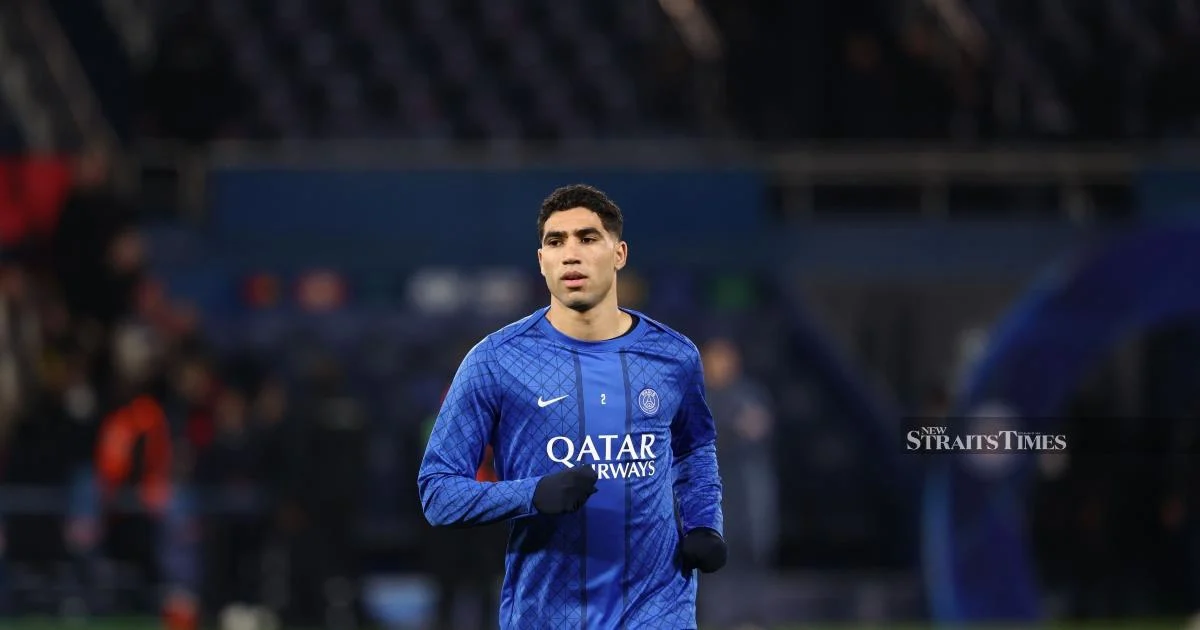
A French appeals court has ruled that Moroccan international footballer Achraf Hakimi must proceed to trial on a rape charge, rejecting arguments against the decision in proceedings held Friday in Versailles. The ruling represents a significant escalation in a case that has already captured widespread attention across European football and has raised questions about athlete accountability at the highest levels of the sport.
Hakimi, who currently plays for Paris Saint-Germain, has consistently maintained his innocence regarding the allegations brought against him. His legal team has contested the court's determination, but the appeals panel in Versailles upheld the decision to move forward with prosecution, meaning the defender now faces formal trial proceedings rather than dismissal of charges before reaching that stage.
The case carries particular significance for Morocco's football community and the broader Arab and African representation in elite European leagues. Hakimi has represented his nation in international competition and is part of the generation of North African players who have achieved prominence in top-tier professional football, making the legal proceedings newsworthy beyond sports circles.
For Paris Saint-Germain, the situation presents an ongoing challenge in managing player conduct and public relations during a period of significant investment in building a competitive squad. The club's response to the matter will likely be scrutinised by supporters, sponsors, and governing bodies as the legal process unfolds.
The appeals court's confirmation suggests that French judicial authorities view the evidence and testimony presented as sufficiently substantive to warrant full trial proceedings. French courts have generally taken sexual assault allegations seriously, particularly in recent years as awareness of such issues has increased globally and legal frameworks have been strengthened to protect complainants.
Athletes of Hakimi's calibre—individuals earning substantial incomes and enjoying significant public prominence—face particular pressure from multiple stakeholders. The footballer's professional status means that outcomes in this case may influence discussions about athlete conduct standards, player accountability, and the responsibility of employers in addressing allegations against their employees.
The legal process ahead will require examination of evidence, witness testimony, and the circumstances surrounding the allegations. French legal procedure differs in significant respects from common-law systems, with different standards of proof and different approaches to evidence presentation, which may be relevant for international observers following the case.
This development occurs within a broader context of heightened awareness regarding sexual misconduct across professional sports globally. Multiple prominent athletes across different codes and countries have faced legal proceedings in recent years, contributing to increased scrutiny of institutional responses and individual player conduct expectations.
For Malaysian and Southeast Asian readers with interest in European football, the case highlights ongoing issues in professional sports governance that extend beyond playing performance and transfers. The situation underscores how athletes' actions away from the pitch can significantly impact their careers and their clubs' standing in ways that sporting performance alone cannot compensate for.
The timing and progression of the trial remain to be determined by the French court system, meaning the case will likely continue to generate attention over an extended period. The outcome will potentially serve as a reference point for how leading European football institutions respond to serious allegations against high-profile players and may influence broader discussions about standards expected of athletes at the top level of the sport.