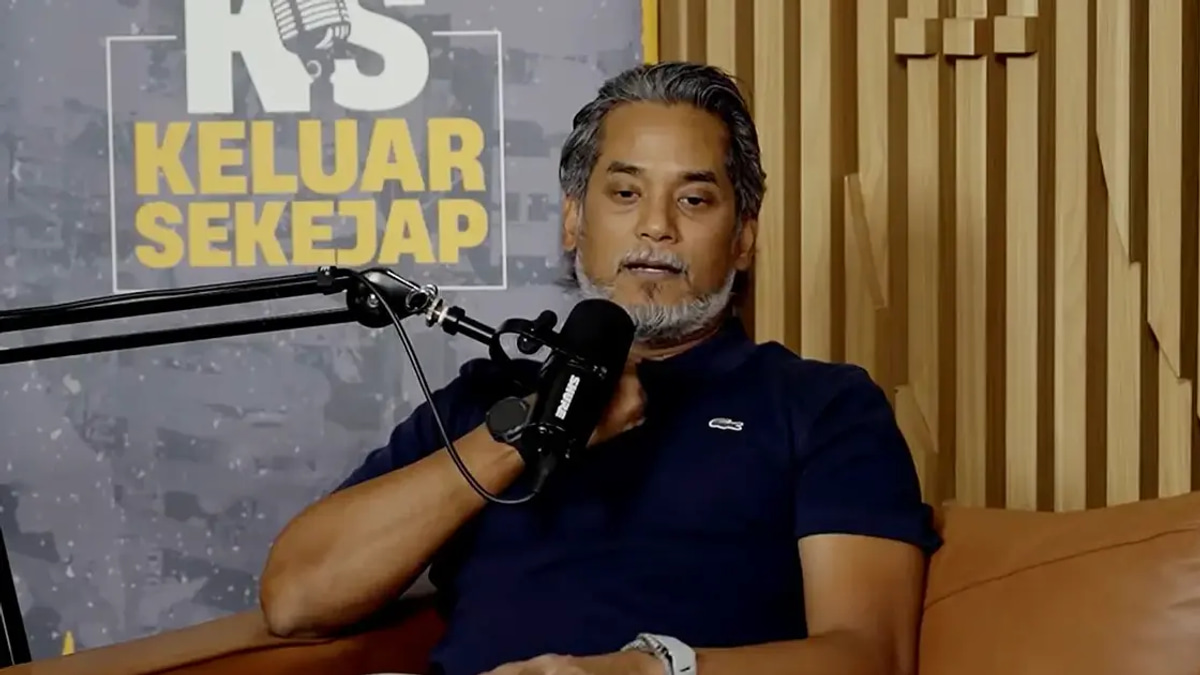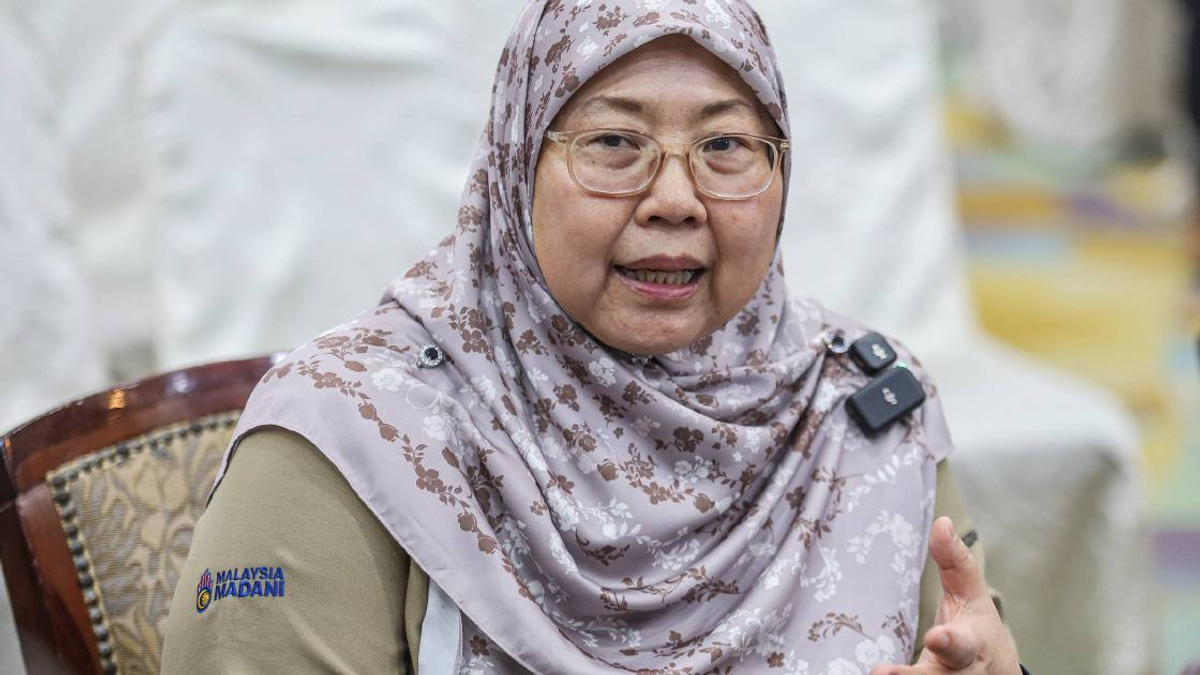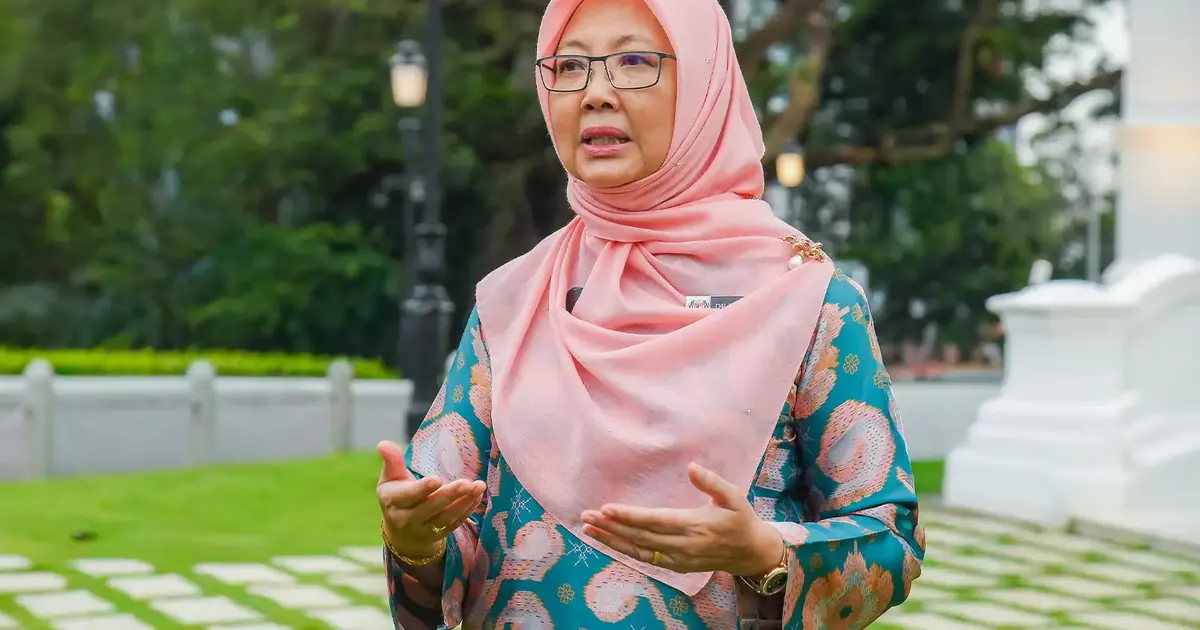
Pakatan Harapan faces a curious quandary in Johor as the state's Barisan Nasional chairman raises questions about the opposition coalition's campaign strategy ahead of expected state elections. Onn Hafiz Ghazi, who leads the BN machinery in the southern state, has pushed for PH to publicly declare its intended figurehead for the race, a demand that has left PKR vice-president Zaliha scratching her head over its logic and timing.
The core of the confusion centres on a fundamental mismatch between what BN is asking and the political realities on the ground. Zaliha's perplexity appears well-founded: why would a coalition be obliged to nominate a visible leader when the actual appointment of menteri besar remains contingent on multiple variables, including the final shape of parliamentary representation and post-election coalition dynamics. This is not merely a semantic concern but touches on basic campaign mechanics that differ significantly between Peninsula and East Malaysian state polls, where coalition-building happens before campaigning, and those in more fluid political contexts where outcomes remain genuinely uncertain until votes are counted.
The request reveals something deeper about the strategic anxieties within Johor's political establishment. BN has controlled the state since independence, and Onn Hafiz's push for PH to identify a poster boy might be interpreted as an attempt to force the opposition into premature commitments that could later be weaponized during campaigning. By demanding early naming of candidates, BN could be attempting to shift focus from governance records and policy platforms toward personality-driven narratives where the ruling coalition maintains structural advantages through incumbency and administrative machinery.
Zaliha's position as PKR vice-president gives her visibility within the coalition's leadership hierarchy, yet her expressed bewilderment suggests that such demands from BN have not been coordinated with serious operational reality checks. If Onn Hafiz genuinely expects PH to declare its menteri besar candidate before an election that has not been called, he is asking for something that contradicts how modern coalition politics typically functions. Coalitions must first determine their composition, assess which parties hold negotiating leverage, and then decide who carries the chief minister's portfolio based on seat numbers and coalition agreements.
From the perspective of Malaysian electoral dynamics, this exchange illuminates the growing confidence of opposition politics in peninsular states. When BN must resort to demanding opposition declarations rather than focusing purely on its own messaging, it suggests a competitive environment where the traditional ruling party feels compelled to reset the terms of debate. Johor, a state historically associated with BN dominance, represents territory where Pakatan Harapan has been making incremental inroads, particularly in urban areas and among younger voters disillusioned with federal governance patterns.
The uncertainty surrounding menteri besar appointments has become a recurring theme in Malaysian state politics since the 2018 general election disrupted long-standing patterns of coalition predictability. Voters across Selangor, Penang, and Perak have witnessed scenarios where post-election negotiations determined the final shape of state administrations, sometimes producing outcomes that defied pre-campaign expectations. This institutional unpredictability, while sometimes frustrating for voters seeking clarity, reflects the genuine democratic contestation that now characterises state-level politics beyond a handful of peninsular strongholds.
Onn Hafiz's demand might also reflect internal BN anxieties about campaign messaging coherence. If Johor's BN apparatus feels compelled to force opposition hands regarding leadership declarations, it could indicate that BN strategists lack confidence in their own electoral machinery or party messaging. A ruling coalition secure in its position would typically focus on attacking opposition weaknesses rather than attempting to dictate opposition campaign structure through public demands.
For Malaysian political observers, Zaliha's response matters because it represents pushback against what could be characterized as unreasonable campaign demands dressed in the language of transparency. The PKR leader's expressed confusion is actually strategic clarity: she has identified that Onn Hafiz is asking for something that serves BN's interests without corresponding benefit to PH, and she has declined the invitation to play by those terms.
The exchange also underscores the fragmentation of information environments around Malaysian state elections. What registers as serious political news in Johor may be understood differently by voters in other states, and both coalitions must manage national expectations while fighting local battles with distinct characteristics. Johor's political culture, marked by strong community-based networks and traditional leadership structures, differs from urban-dominated states where demographic shifts drive electoral volatility.
Looking forward, whether Zaliha's skepticism will translate into PH maintaining strategic ambiguity or whether coalition dynamics will eventually force the naming of a menteri besar candidate remains unclear. What is evident is that state election politics in Malaysia has matured sufficiently that opposition coalitions no longer automatically defer to incumbent framings of how campaigns should proceed. Zaliha's puzzlement, therefore, represents not merely personal confusion but a calculated rejection of BN's attempted agenda-setting, a posture increasingly common among coalitions that have tasted federal power and believe themselves capable of competing seriously for state mandates.