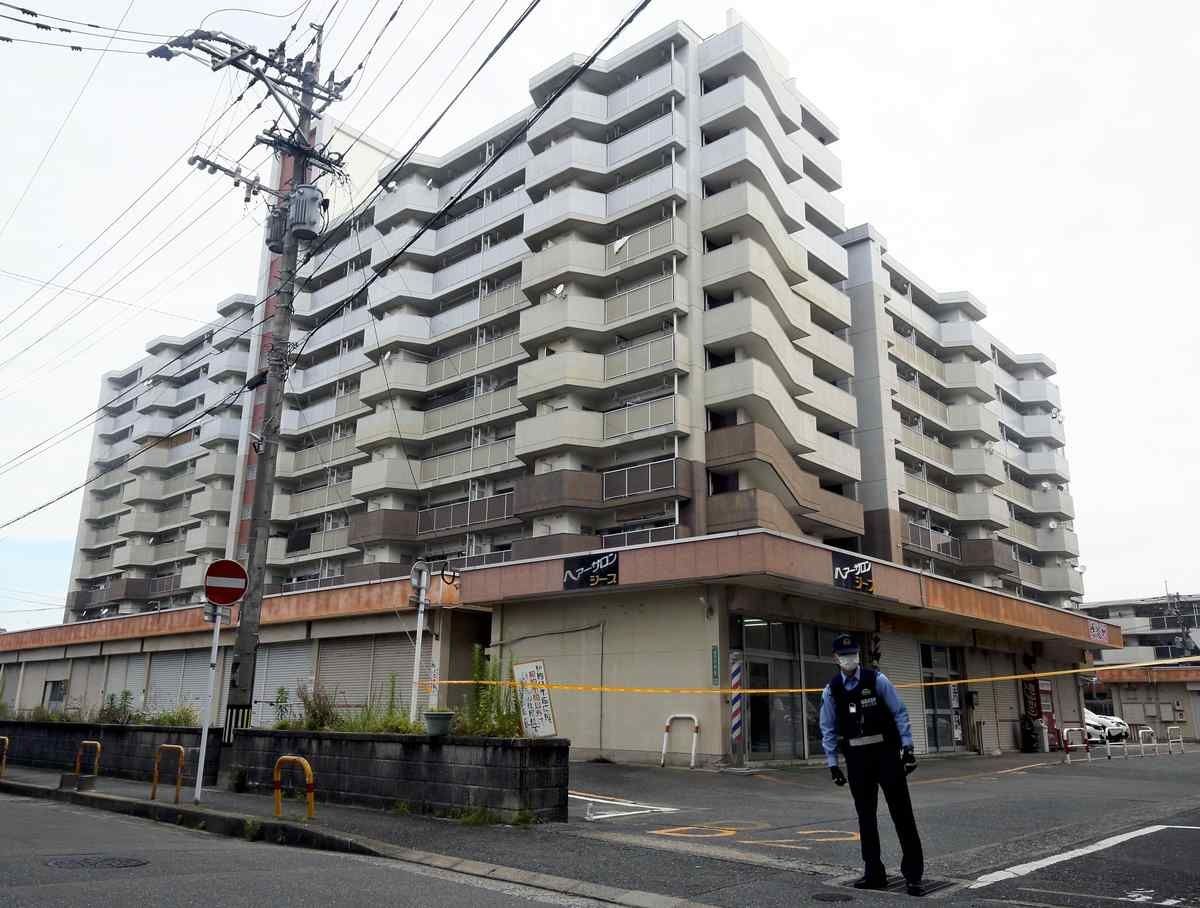
A 36-year-old woman was taken into custody on Thursday in Fukuoka following the fatal stabbing of her 33-year-old friend in an incident that unfolded metres away from where three young children lay sleeping. The Fukuoka Prefectural Police's Higashi Station announced the arrest after responding to the scene in the early morning hours, launching what would become a murder investigation into the neighbourhood violence.
The violence erupted at approximately 3.15am on Thursday when the suspect allegedly subjected her friend to repeated knife wounds targeting the neck and chest region. Emergency responders rushed the injured woman to hospital, but medical staff were unable to revive her and she was pronounced dead upon arrival. The brazen nature of the assault—occurring within a residential dwelling while young occupants remained in the building—has drawn considerable attention from local law enforcement and residents concerned about household security and intimate violence patterns.
Initially charged with attempted murder, investigating officers moved swiftly to upgrade the classification after determining the severity of the victim's injuries rendered survival impossible. The Higashi Station investigators documented evidence consistent with a deliberate and sustained assault, strengthening the foundation for the upgraded murder charge. This reclassification represents a significant escalation in the legal proceedings and reflects the fatal outcome that officials anticipated from the injury patterns observed at the scene.
When questioned by detectives, the suspect acknowledged her culpability without resistance, providing a straightforward admission that aligned with preliminary evidence gathered by the investigating team. She stated to police: "It's true I did it. I stabbed her many times." This confession provided investigators with critical confirmation of her actions and substantially simplified the evidentiary requirements typically demanded in homicide prosecutions. The candid admission suggests either a lack of premeditation or a deliberate acceptance of consequence, though authorities have not disclosed details regarding motive or prior relationship dynamics.
The three children, identified as elementary school-aged minors, remained asleep throughout the violent episode, sheltered in a separate room from where their mother's friend met her death. The proximity of sleeping children to an act of fatal violence raises substantial questions about the household environment and whether warning signs of interpersonal tension between the adult residents had been apparent. Investigators will likely examine whether the children witnessed any preceding conflict or whether the attack caught both the victim and child occupants completely unaware.
This incident reflects broader concerns about domestic and intimate violence within Japanese residential settings, where relationships between close acquaintances occasionally turn lethal. The fact that the perpetrator was a friend rather than a family member speaks to the complex social dynamics that can exist within shared living spaces or frequent visits between neighbours and companions. Such cases often involve underlying tensions or disputes that escalate suddenly into catastrophic violence, frequently catching surrounding individuals—particularly vulnerable populations like children—at grave personal risk.
For Malaysian readers, this case resonates with similar concerns about safety within homes and social circles, particularly regarding how readily acquaintance relationships can deteriorate into violence. While crime rates and specific patterns differ between Japan and Malaysia, the fundamental vulnerability of individuals within their own residences remains a universal concern. The case underscores the importance of awareness regarding behavioural warning signs and the value of protective measures even within spaces typically considered safe.
The investigation into this Fukuoka incident will likely examine cellular records, witness statements, and any prior police contact involving either the suspect or victim. Authorities will seek to establish what precipitated the sudden violent outburst and whether any previous conflicts had been documented or reported. Such details could illuminate patterns of escalating tension that culminated in the tragic morning assault.
Local residents and community organisations in Fukuoka City have expressed concern following the incident, with heightened awareness of personal security becoming more pronounced in the neighbourhood. The case demonstrates how violence can erupt suddenly within seemingly ordinary domestic contexts, challenging assumptions about safety in residential areas. As the investigation progresses, prosecutors will build their case for the murder charge, likely relying substantially on the suspect's confession, medical evidence regarding the victim's injuries, and forensic analysis of the weapon and crime scene.

%22%2F%3E%3C%2Fpattern%3E%3C%2Fdefs%3E%3Crect%20width%3D%22100%25%22%20height%3D%22100%25%22%20fill%3D%22url(%23ph21o2sg)%22%2F%3E%3Crect%20width%3D%22100%25%22%20height%3D%22100%25%22%20fill%3D%22url(%23ph21o2sp)%22%2F%3E%3Ctext%20x%3D%2250%25%22%20y%3D%2250%25%22%20text-anchor%3D%22middle%22%20dominant-baseline%3D%22central%22%20fill%3D%22rgba(255%2C255%2C255%2C0.95)%22%20font-family%3D%22Georgia%2C%20'Times%20New%20Roman'%2C%20serif%22%20font-weight%3D%22700%22%20font-size%3D%22170%22%20letter-spacing%3D%22-0.02em%22%3EGabungan%3C%2Ftext%3E%3C%2Fsvg%3E)