Vietnam has enacted comprehensive new passenger protection standards that will reshape how airlines handle disruptions, with Government Decree No. 208 coming into effect next month to establish mandatory compensation and assistance obligations. The regulation represents a significant tightening of consumer safeguards in the Southeast Asian aviation sector, where passenger rights have historically lagged behind international standards seen in Europe and North America. Issued this week, the decree elaborates on the country's civil aviation law, covering everything from operational air transport matters to detailed requirements for financial redress and passenger assistance when services fall short of commitments.
The framework begins with a precise definition of what constitutes a delay. Carriers must treat any flight departing more than 15 minutes later than scheduled as officially delayed, while departures of four hours or more beyond the scheduled time trigger heightened 'long delay' protections. This technical definition matters significantly because it determines when passengers qualify for compensation and what support airlines must provide. The tiered approach recognises that minor delays, often caused by operational factors beyond carrier control, merit different treatment than extended disruptions that fundamentally alter passenger plans. For Malaysian travellers using Vietnamese carriers or transiting through Vietnamese hubs, understanding these thresholds is essential for asserting rights when plans go awry.
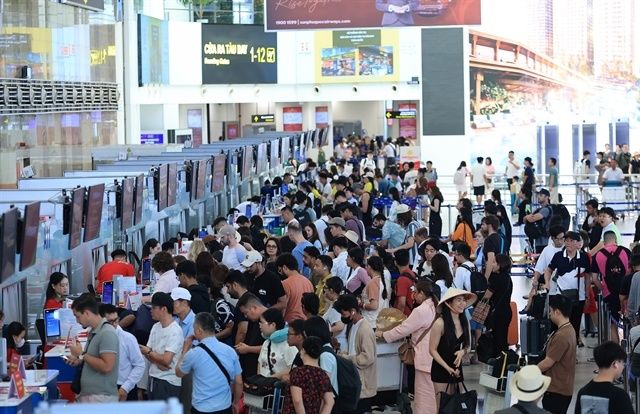
When delays become apparent, airlines face immediate communication obligations. Carriers must inform affected passengers without delay, offer a formal apology, and explain the cause. Beyond this, they must ensure airport information systems display updated departure times at least every 30 minutes, coordinating with terminal operators and airport authorities. This requirement addresses a persistent frustration for travellers in the region: the absence of reliable, frequently refreshed information during disruptions. By mandating systematic updates through official airport channels, Vietnam's approach attempts to eliminate the information vacuum that typically leaves passengers confused and stranded during operational crises.
For delays extending two hours or beyond, airlines must provide immediate assistance in the form of drinking water or vouchers of equivalent monetary value. This obligation recognises that extended waits create genuine hardship, requiring carriers to acknowledge passenger inconvenience through tangible support. More substantially, when delays stem from airline fault, carriers must rebook passengers on alternative flights or reroute them to final destinations without imposing change fees or itinerary restrictions. This provision directly addresses one of aviation's most frustrating practices: charging travellers additional fees when disruptions are entirely the airline's responsibility. By eliminating these charges during carrier-caused delays, the decree shifts the financial burden appropriately onto the responsible party.
Nighttime disruptions receive particular attention, reflecting recognition that overnight delays involve fundamentally different needs than daytime inconveniences. For delays occurring between 7am and 10pm, airlines must arrange suitable rest facilities according to airport capabilities. For delays between 10pm and 7am, carriers must provide sleeping accommodation or resting facilities appropriate to local conditions, or arrange alternative solutions with passenger consent. This differentiation acknowledges that passengers stranded overnight face different requirements than those delayed during business hours, ensuring proportionate support based on actual hardship circumstances.
The decree establishes ground rules for significant schedule changes that effectively alter travel arrangements. When carriers modify departure times by five hours or more from the originally marketed schedule, passengers gain extensive remedies. Airlines must notify travellers promptly, then offer a choice: full ticket refund, rebooking on an alternative itinerary, rescheduling to a suitable departure time, or placement on another flight within 72 hours at passenger request. However, carriers retain discretion for schedule shifts of no more than four hours earlier or 15 minutes later, applying their own internal policies for such minor adjustments. This proportional approach recognises that trivial schedule modifications differ fundamentally from massive time changes that disrupt passenger plans.
Cancellations, defined as non-operation of flights with confirmed passengers holding valid tickets, trigger the strongest protections. Airlines must immediately notify passengers, apologise, and state reasons. When cancellations result from carrier fault—the critical distinction—airlines must either rebook passengers on suitable alternatives reaching final destinations, refund full fares, or refund unused ticket portions, all while waiving normal change restrictions and surcharges. This approach ensures that passengers never bear financial consequences for airline-caused cancellations, establishing a clear principle that carriers bear responsibility for operational failures. For travellers in Southeast Asia accustomed to limited recourse when flights vanish from schedules, this provision marks meaningful progress toward international consumer norms.
Implementation details remain pending ministerial guidance. Vietnam's Minister of Construction will establish specific advance compensation amounts, payment methods and deadlines, and reporting requirements for delays, cancellations, and boarding denials. This staged approach allows policymakers to calibrate compensation levels appropriate to Vietnamese economic circumstances while maintaining the decree's core protections. The forthcoming ministerial regulations will determine whether compensation levels match regional or international standards, significantly affecting whether the decree becomes genuinely protective or largely symbolic.
The decree's implications extend beyond Vietnam's borders, affecting Malaysia's aviation sector and regional passenger expectations. As Vietnam joins other countries in establishing explicit consumer protections, pressure mounts on Malaysian and regional carriers to match these standards or face competitive disadvantage when passengers choose Vietnamese operators offering superior rights. Airlines operating across Southeast Asia will increasingly face passengers familiar with Vietnamese protections, creating expectations that may influence competitive positioning. For Malaysian regulators, Vietnam's approach provides a policy template for considering whether Malaysia's existing passenger protection framework—currently less comprehensive than European standards and now Vietnamese law—requires enhancement to meet evolving regional norms and passenger expectations.

%22%2F%3E%3C%2Fpattern%3E%3C%2Fdefs%3E%3Crect%20width%3D%22100%25%22%20height%3D%22100%25%22%20fill%3D%22url(%23ph21o2sg)%22%2F%3E%3Crect%20width%3D%22100%25%22%20height%3D%22100%25%22%20fill%3D%22url(%23ph21o2sp)%22%2F%3E%3Ctext%20x%3D%2250%25%22%20y%3D%2250%25%22%20text-anchor%3D%22middle%22%20dominant-baseline%3D%22central%22%20fill%3D%22rgba(255%2C255%2C255%2C0.95)%22%20font-family%3D%22Georgia%2C%20'Times%20New%20Roman'%2C%20serif%22%20font-weight%3D%22700%22%20font-size%3D%22170%22%20letter-spacing%3D%22-0.02em%22%3EGabungan%3C%2Ftext%3E%3C%2Fsvg%3E)