In a significant diplomatic development with regional implications, Iran announced on Thursday that a comprehensive 14-point memorandum of understanding with the United States has been formally finalised after both countries' presidents signed the agreement. The pact, dubbed the "Islamabad memorandum," represents a major step toward de-escalation between Washington and Tehran after years of escalating tensions. Iranian Foreign Ministry spokesman Esmail Baghaei confirmed that the agreement had achieved full official status following digital signing by both nations, marking a pivotal moment in Middle Eastern geopolitics that carries consequences for Southeast Asia's energy security and regional stability.
The memorandum's structure reflects careful negotiation between the two adversaries. Rather than a ceremonial signing in a single location, the parties opted for a digital signing process, with the document confirmed as signed by both Tehran and Washington. US President Donald Trump disclosed that he signed the MOU at the Palace of Versailles during a dinner engagement with French President Emmanuel Macron in France, subsequently sending photographic evidence of the signed agreement to both the Iranian side and the mediating nations involved in brokering the deal. This unconventional approach to formalising such a significant accord underscores the sensitive nature of direct US-Iran engagement and the continued need for diplomatic discretion.
The agreement's substantive focus narrowly targets two interconnected issues that have dominated US-Iran relations for decades. Negotiations will concentrate exclusively on nuclear matters and sanctions relief, with both delegations committed to intensive discussions scheduled to take place in Geneva. The framework allows for an initial 60-day negotiating period, with explicit provisions permitting extension should the complexity of outstanding issues necessitate additional time. This timeline acknowledges that resolving deep-rooted disagreements over Iran's nuclear programme and the extensive sanctions architecture built by the United States will require sustained, methodical engagement rather than rushed conclusions.
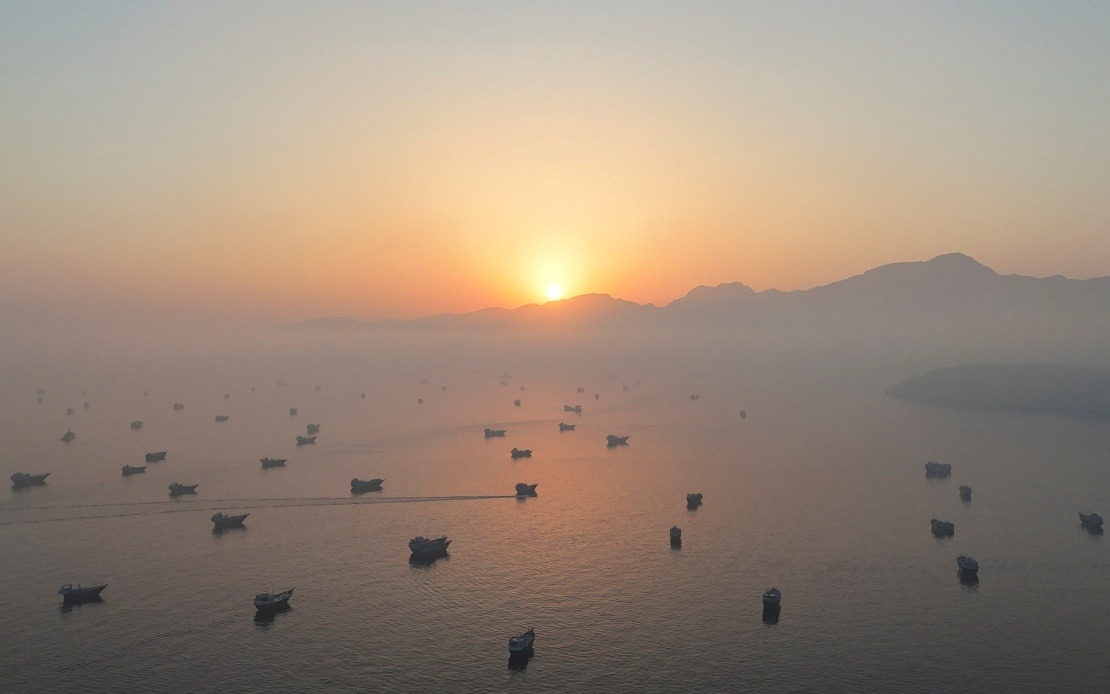
A particularly notable dimension of the memorandum involves US naval commitments affecting regional commerce and energy flows. Baghaei stated that American commitments regarding the lifting of its naval blockade on Iran have effectively commenced following urgent consultations that accelerated after Israeli military operations in Beirut's southern suburbs and subsequent Iranian retaliation threats. This development carries significant weight for Malaysia and other Southeast Asian nations dependent on stable passage through the Strait of Hormuz, through which approximately one-third of globally traded seaborne oil transits. Any relaxation of naval restrictions could affect energy prices and supply reliability across the region.
The Iranian government has signalled that it interprets the agreement as having already begun producing tangible effects. According to Baghaei, Iranian vessels have successfully entered and exited ports without incident since the memorandum's formalisation, which Tehran characterises as concrete evidence that US commitments are taking operational effect. This claim suggests that the blockade's immediate practical consequences are being reversed even as formal negotiations commence, indicating a degree of confidence that the agreement will hold or that both parties are demonstrating good faith through preliminary compliance measures.
However, Iranian officials have also attached conditional language to their participation. Baghaei explicitly stated that should Israeli military operations against Lebanon persist beyond the memorandum's signing, such continuation would constitute a violation of the US commitments embedded in the agreement. This formulation connects the bilateral US-Iran arrangement to the broader Israeli-Lebanese conflict, essentially inserting a regional stability clause that could provide Tehran with grounds to withdraw or suspend compliance should events beyond the direct US-Iran relationship deteriorate further.
Iran's own obligations under the framework centre on the strategically vital Strait of Hormuz, one of the world's most critical chokepoints for global energy security. Baghaei confirmed that Iranian commitments regarding the Strait would commence following the memorandum's formal signing and implementation. The specification of these commitments suggests that previous Iranian threats or actions affecting shipping through this waterway will be modified, potentially addressing international concerns about energy supply disruptions that have periodically destabilised global markets and disproportionately affected Asian economies reliant on Middle Eastern petroleum imports.
The involvement of mediating countries indicates that this arrangement did not emerge from bilateral negotiation alone. Multiple nations worked to facilitate agreement between Washington and Tehran, suggesting that regional powers and international actors recognised mutual benefits in de-escalation. For Southeast Asia, the participation of mediators underscores the globalised interest in preventing further Middle Eastern conflict that could expand into a broader regional war, disrupting trade corridors and energy supplies upon which economies from Malaysia to Japan depend.
From a Malaysian perspective, the implications warrant close monitoring across several dimensions. First, maritime security in the Strait of Hormuz directly affects fuel costs and supply certainty for Southeast Asian nations, including Malaysia itself. Second, reduced US-Iran hostility could stabilise regional dynamics that have pressured shipping lanes and prompted military buildups by multiple Gulf states. Third, the agreement's focus on nuclear issues and sanctions suggests that international sanctions regimes may evolve, potentially affecting Malaysia's own compliance with international export controls and financial oversight mechanisms. Fourth, should genuine nuclear diplomacy progress, it could reshape Middle Eastern geopolitical calculations in ways that influence how regional powers view partnerships with Asian nations.
The reliance on digital rather than ceremonial signing may reflect broader diplomatic trends emphasising substance over symbolism, yet it also highlights the persistent awkwardness of US-Iran relations despite substantive agreements. Both nations felt compelled to conclude a formal pact addressing core security concerns, yet neither apparently wished to arrange a high-visibility public ceremony that might trigger domestic political backlash. This approach suggests that while strategic interests have converged sufficiently to produce an agreement, political sensitivities in both capitals remain acute.
The 60-day negotiation window represents a compressed timeline for addressing issues that have consumed decades of failed diplomacy. Success will depend on whether teams in Geneva can translate the memorandum's general principles into detailed understandings regarding nuclear enrichment levels, sanctions dismantling, verification mechanisms, and dispute resolution procedures. The explicit provision for extension recognises these challenges, yet extension also risks allowing momentum to dissipate if early negotiations prove acrimonious.
For the broader international community and specifically for Southeast Asian observers, this memorandum signals that even deeply entrenched adversaries can find negotiating pathways when strategic calculations shift. The agreement's structure, focusing narrowly on nuclear and sanctions issues while bracketing other disputes, provides a model for compartmentalising conflicts. Whether this arrangement endures and produces the nuclear restraint and sanctions relief it promises will significantly influence not only Middle Eastern stability but also global energy markets and the strategic environment in which Southeast Asian nations operate.

%22%2F%3E%3C%2Fpattern%3E%3C%2Fdefs%3E%3Crect%20width%3D%22100%25%22%20height%3D%22100%25%22%20fill%3D%22url(%23ph21o2sg)%22%2F%3E%3Crect%20width%3D%22100%25%22%20height%3D%22100%25%22%20fill%3D%22url(%23ph21o2sp)%22%2F%3E%3Ctext%20x%3D%2250%25%22%20y%3D%2250%25%22%20text-anchor%3D%22middle%22%20dominant-baseline%3D%22central%22%20fill%3D%22rgba(255%2C255%2C255%2C0.95)%22%20font-family%3D%22Georgia%2C%20'Times%20New%20Roman'%2C%20serif%22%20font-weight%3D%22700%22%20font-size%3D%22170%22%20letter-spacing%3D%22-0.02em%22%3EGabungan%3C%2Ftext%3E%3C%2Fsvg%3E)