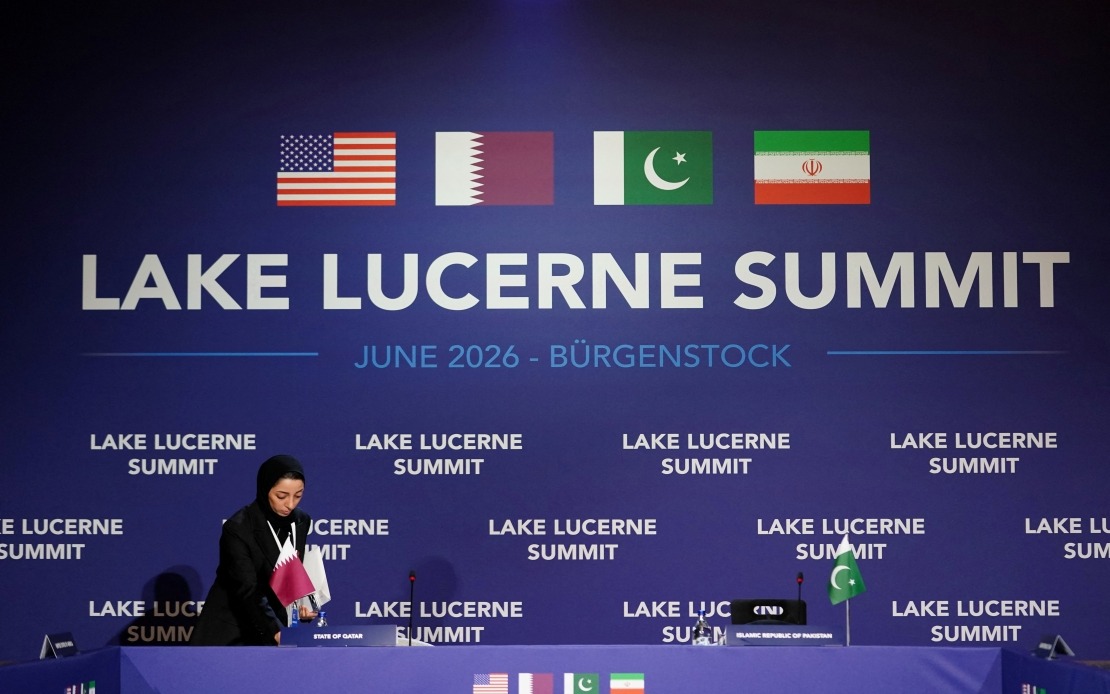
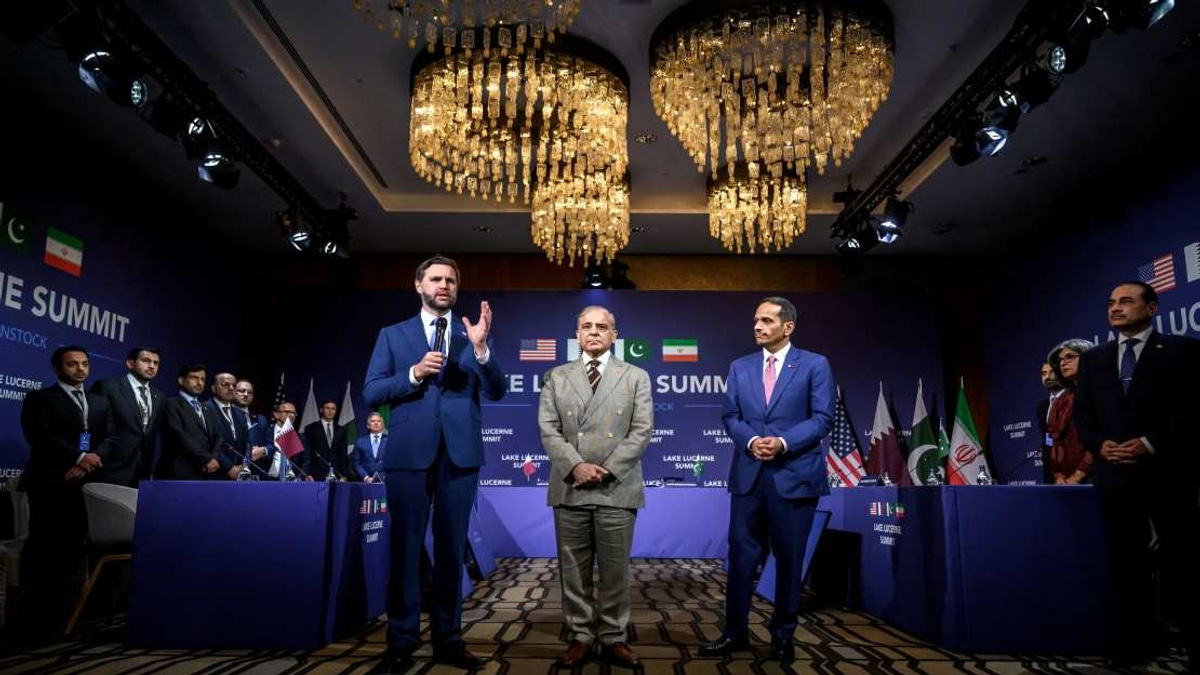
A coalition of strategically important Middle Eastern and South Asian nations has thrown its weight behind a recent US-Iran accord, signalling growing international confidence in diplomatic efforts to defuse tensions across West Asia. The foreign ministers of Türkiye, Egypt, Pakistan and Saudi Arabia released a coordinated statement on Sunday following consultations in Cairo, expressing their collective endorsement of the Islamabad Memorandum of Understanding as a constructive pathway toward resolving longstanding disputes that have threatened regional equilibrium.
The joint declaration underscores how the agreement resonates beyond the immediate parties involved, with major regional powers recognising its implications for broader stability. The ministers characterised the memorandum not merely as a bilateral arrangement but as a significant development with consequences for the entire region, particularly emphasising how ongoing conflict has jeopardised multiple dimensions of international order. Their statement specifically referenced the risks posed to energy security, maritime navigation corridors, supply chain integrity, and global commerce—concerns that directly affect trading nations throughout Asia, including Malaysia and other ASEAN members dependent on stable flows through the Strait of Hormuz and Indian Ocean routes.
Pakistan's diplomatic orchestration of the negotiation framework earned particular recognition from the four nations, reflecting Islamabad's evolving role as a neutral facilitator in regional disputes. The statement acknowledged Qatar's supporting contributions to the mediation process, highlighting how smaller Gulf states increasingly serve as honest brokers in high-stakes international negotiations. This collaborative diplomatic architecture suggests a maturation in multilateral problem-solving among Muslim-majority nations, contrasting with historical patterns of zero-sum competition and sectarian division.
The ministers emphasised that the current accord represents merely an opening phase in a protracted diplomatic engagement. They stressed the necessity of expeditiously advancing toward comprehensive negotiations aimed at achieving durable, transparent and mutually binding arrangements addressing the full spectrum of remaining differences. This measured language acknowledges the complexity of resolving decades of animosity and the improbability of swift, comprehensive settlements in such contexts. For Southeast Asian observers, this gradualist approach reflects pragmatic recognition that regional conflicts rarely yield to dramatic breakthroughs but rather require sustained, confidence-building engagement.
Crucially, the four nations insisted that future agreements must explicitly safeguard the security prerogatives of Gulf Cooperation Council members and Levantine states. This provision reflects anxiety among Saudi Arabia, the United Arab Emirates and other Gulf monarchies that any accommodation between Washington and Tehran might come at their expense or without adequate consideration of their legitimate security interests. The statement essentially embeds a requirement that Iran cannot pursue normalisation with the West while simultaneously threatening neighbours, establishing parameters that will shape subsequent negotiation rounds.
The Palestinian question featured prominently in the ministers' collective message, underscoring how regional powers continue linking Israeli-Palestinian dynamics to broader stability calculations. The four nations reaffirmed conventional international positions supporting Palestinian statehood based on 1967 borders with East Jerusalem as the capital, aligned with UN resolutions and the Arab Peace Initiative framework. This emphasis reflects how Arab and Muslim-majority nations view Palestinian resolution as foundational to achieving lasting peace architecture across West Asia, positioning it as prerequisite rather than parallel concern alongside US-Iran engagement.
The Cairo consultation itself carries significance as a venue selection, emphasising Egypt's continuing centrality in regional diplomacy despite Cairo's subordinate military and economic position relative to Saudi Arabia and other Gulf powers. Egypt's hosting of these discussions and its role as a signatory to the joint statement affirms its diplomatic weight on Arab and Islamic matters, particularly regarding questions touching the Eastern Mediterranean, Levant and broader Arab nationalism. For Malaysia and other ASEAN nations, Egypt represents an important non-aligned voice capable of representing interests distinct from exclusively Western or Chinese alignments.
The statement's framing of the accord as contributing toward de-escalation rather than permanent resolution reflects sophisticated diplomatic understanding of incremental progress in protracted conflicts. Rather than claiming transformative breakthroughs, the ministers positioned the memorandum as halting deterioration and creating conditions for deeper engagement—a psychologically healthier foundation for sustained negotiations than exaggerated triumphalism that breeds disappointment when comprehensive solutions prove elusive. This approach provides space for both the United States and Iran to claim diplomatic victories while maintaining room for future movement.
For Southeast Asian stakeholders including Malaysia, the implications extend beyond geopolitical symbolism. Reduced tensions in West Asia translate directly into more stable global energy markets, more predictable shipping insurance premiums, and more reliable international supply chains. ASEAN economies remain dependent on Middle Eastern hydrocarbon supplies and reliant on unobstructed maritime passages. Consequently, successful de-escalation between the United States and Iran benefits Malaysian prosperity through lower input costs, enhanced export competitiveness, and reduced macroeconomic volatility. The four nations' public endorsement helps consolidate diplomatic momentum toward sustainable peace rather than temporary ceasefires reverting to confrontation.
The joint statement represents an important demonstration of coordinated diplomacy among influential Islamic-world powers, suggesting capacity for collective problem-solving beyond the fractured patterns characteristic of earlier decades. The convergence of Türkiye's regional ambitions, Egypt's Arab nationalist credentials, Pakistan's strategic positioning between South and Central Asia, and Saudi Arabia's Gulf leadership into a unified diplomatic message indicates emerging consensus on fundamental regional interests transcending sectarian, ideological and strategic rivalries. For Malaysia and ASEAN, such regional coordination among major Muslim-majority powers creates more stable external conditions for pursuing economic development and managing Southeast Asian affairs with reduced interference from destabilising external conflicts.

%22%2F%3E%3C%2Fpattern%3E%3C%2Fdefs%3E%3Crect%20width%3D%22100%25%22%20height%3D%22100%25%22%20fill%3D%22url(%23ph2zjotg)%22%2F%3E%3Crect%20width%3D%22100%25%22%20height%3D%22100%25%22%20fill%3D%22url(%23ph2zjotp)%22%2F%3E%3Ctext%20x%3D%2250%25%22%20y%3D%2250%25%22%20text-anchor%3D%22middle%22%20dominant-baseline%3D%22central%22%20fill%3D%22rgba(255%2C255%2C255%2C0.95)%22%20font-family%3D%22Georgia%2C%20'Times%20New%20Roman'%2C%20serif%22%20font-weight%3D%22700%22%20font-size%3D%22170%22%20letter-spacing%3D%22-0.02em%22%3EMalaysia%3C%2Ftext%3E%3C%2Fsvg%3E)