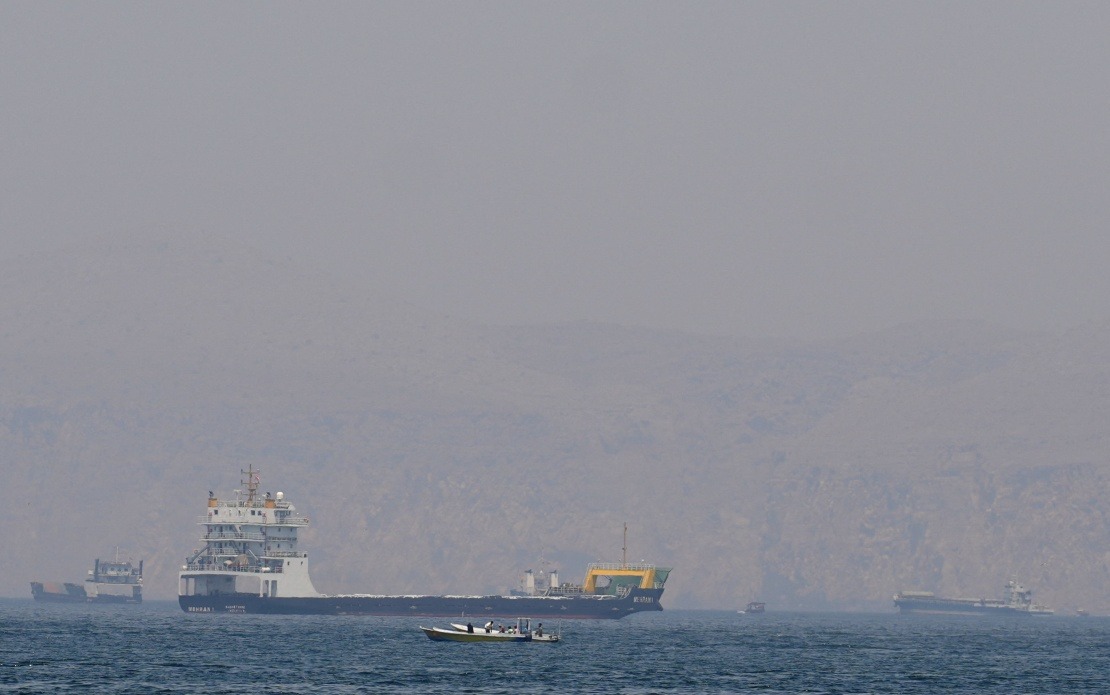
President Donald Trump has announced a 60-day freeze on maritime tolls transiting the Strait of Hormuz, one of the world's most critical shipping corridors, but signalled Washington's readiness to implement American-controlled charges if no lasting agreement emerges. The declaration, made via his Truth Social platform, marks a significant shift in how the Trump administration views its strategic role in the Persian Gulf, framing potential US intervention as a service requiring commercial recompense from regional powers.
Trump's conditional moratorium carries unmistakable economic implications for Malaysia and Southeast Asia, both regions heavily dependent on uninterrupted Hormuz passage for energy and goods transport. The Strait handles roughly one-third of globally traded petroleum and liquefied natural gas, making any disruption an immediate threat to regional prosperity. For Malaysian manufacturers reliant on just-in-time supply chains and petrochemical imports, the distinction between Iranian, regional, or American fee structures represents the difference between manageable logistics costs and potential economic shock.
The president's language reveals a calculated negotiating posture. By permitting a toll-free window while reserving the right to introduce American charges, Trump positions the United States as both guarantor and potential profiteer of maritime security. His reference to the nation functioning as a "guardian angel" requiring "reimbursement of costs" casts military presence as a commercial transaction rather than geopolitical interest, a framing that fundamentally redefines how great powers justify their regional deployments.
Iran's state-controlled Khatam al-Anbiya Central Headquarters had previously threatened to close the waterway, citing American ceasefire violations and alleged Israeli breaches in Lebanon. This Iranian posturing, while historically recurring, gains additional weight given the Strait's chokepoint geography. However, the US Central Command swiftly countered these claims, with spokesperson Captain Tim Hawkins asserting via Axios that American forces remain strategically positioned and that maritime traffic flows normally. CENTCOM's explicit statement that "Iran does not control the Strait of Hormuz" served both to reassure global shipping interests and to delegitimise any Iranian authority claims over the waterway.
The underlying tension reflects a fundamental dispute over regional hegemony. Iran views the Strait geographically as its territorial responsibility; the United States insists on freedom of navigation principles that supersede any single nation's claims. For Malaysia, caught between rising Asian energy needs and Western strategic interests, this dispute creates perpetual uncertainty. A Malaysian-owned cargo vessel transiting Hormuz operates within this contested space, where international law, great-power assertions, and national claims collide daily.
Trump's 60-day window appears designed to create space for diplomatic negotiations without risking immediate escalation. The ceasefire period could accommodate discussions over a permanent arrangement that satisfies Iranian concerns about foreign naval dominance while respecting international commerce principles. Yet the explicit threat of subsequent American tolls suggests Washington views this interregnum as tactical rather than transformational—a pause button rather than a reset.
For Southeast Asian energy importers including Malaysia, Vietnam, and Thailand, the implications prove multifaceted. American tolls, should they materialise, would inflate imported crude and liquefied natural gas costs, feeding into inflation and industrial competitiveness concerns. Conversely, continued stability under American security umbrellas might justify such fees as insurance against Iranian closure threats. The calculation hinges on whether businesses and governments view US military presence as protecting commerce or extracting rent from it.
The geopolitical context matters equally. Trump's framing of security as a service-for-hire reflects broader American reassessments regarding alliance burden-sharing. Gulf states have historically benefited from American military presence largely as a public good; Trump's rhetoric suggests expectations for more direct compensation. This philosophy, while controversial among traditional allies, aligns with broader Trump administration tendencies to commodify security relationships.
Matters grow complicated by Lebanon's dynamics and ceasefire compliance monitoring. Both Iran and the United States accuse each other of violations, yet neutral observers face difficulty verifying claims. Any actual closure attempt by Iran would trigger immediate international response and likely devastate global energy markets. Malaysian policymakers monitor these developments closely, cognisant that prolonged Hormuz disruption would dwarf any toll impact through wholesale supply reduction.
The 60-day timeline suggests Trump anticipates substantive progress toward a final arrangement within that window. Whether this reflects genuine diplomatic optimism or negotiating theatre remains unclear. Regional actors, including Saudi Arabia, the United Arab Emirates, and Oman, possess significant influence over both Iranian and American positions, yet their preferences regarding potential US tolls remain diplomatically opaque.
For Malaysian shipping and energy sectors, prudent planning requires scenario preparation. Operators should model costs under alternative toll regimes whilst maintaining contingency strategies for partial Hormuz closure. Energy planners must explore diversified import sources and strategic reserves expansion to cushion against supply disruptions, whether from Iranian action or American policy shifts.
Trump's announcement ultimately reflects Washington's determination to maintain Hormuz dominance whilst extracting financial acknowledgement of that role. Whether the next 60 days produce a sustainable framework or merely delay more disruptive confrontation remains uncertain. For Southeast Asia, the outcome carries consequences spanning energy security, inflation dynamics, and the broader question of whether regional stability is purchasable or merely temporarily leaseable through great-power negotiation.