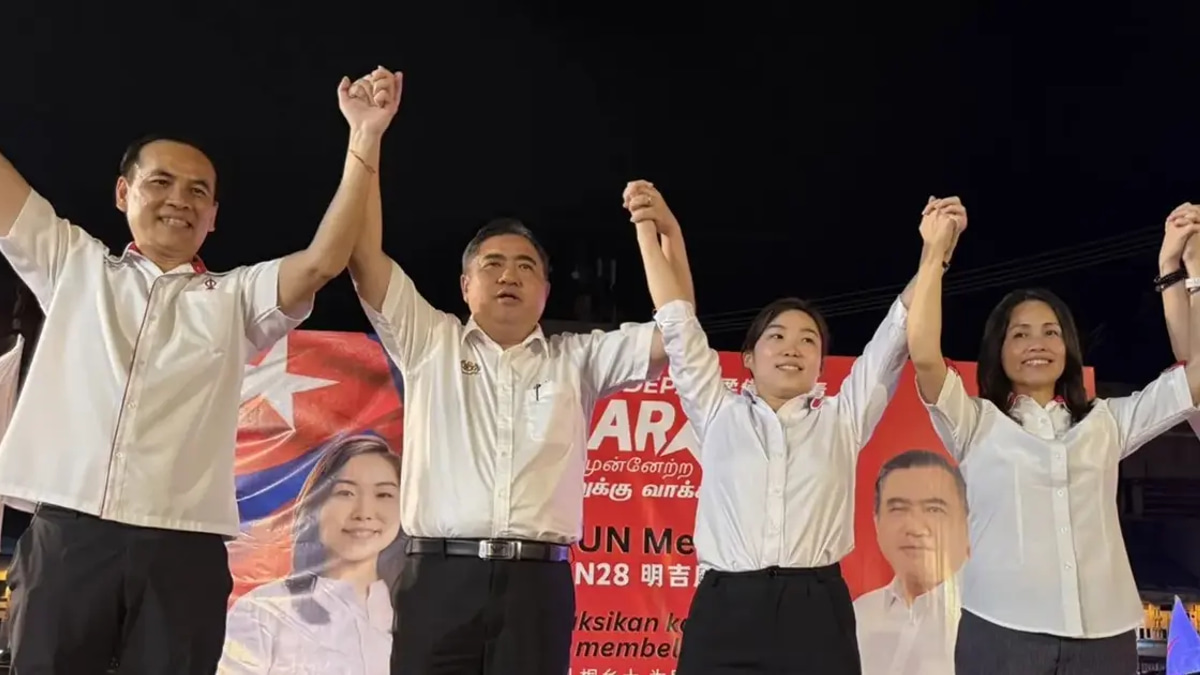
The police investigation into former Damansara member of parliament Tony Pua has reached a critical juncture, with authorities formally elevating his status from witness to suspect in connection with a social media post concerning the Rukun Negara. The shift in investigative classification signals that police now believe Pua may have involvement in conduct they are examining, rather than simply possessing relevant knowledge about the matter. The former legislator indicated that formal charges could arrive within a matter of weeks, suggesting the inquiry is moving toward its conclusion.
The investigation centres on a Facebook post that Pua shared, with authorities apparently viewing the content as problematic under Malaysian law. The Rukun Negara, Malaysia's national philosophical foundation established in 1970 following the May 13 riots, represents core constitutional values and enjoys significant symbolic weight in the nation's governance framework. Posts or statements perceived to undermine or disrespect this foundational document can potentially trigger legal action under various provisions of Malaysian law, reflecting the authorities' protective stance toward symbols of national unity.
Pua's transformation from witness to suspect represents a substantial escalation in his legal exposure. In investigative practice, witnesses provide information and testimony without themselves being suspected of wrongdoing, whereas suspects are persons whom police believe may have committed an offence. This reclassification typically follows investigative findings that point toward potential criminal involvement rather than mere knowledge or association with events under examination. The upgrade indicates that police investigators have gathered evidence or formed conclusions that connect Pua directly to conduct they consider potentially unlawful.
The timing of this development comes amid ongoing scrutiny of public discourse around national symbols in Malaysia. Political figures and social commentators operate within a complex landscape where the boundaries between legitimate criticism and potentially illegal speech remain contested. The investigation into Pua's post reflects broader questions about where authorities draw the line between protected expression and content deemed harmful to national cohesion and constitutional principles. These tensions have intensified in recent years as social media has expanded the platforms through which public figures communicate with constituents and the wider electorate.
Tony Pua has maintained a prominent position in Malaysian opposition politics since his election to parliament. His background as an economist and vocal commentator on fiscal and governance matters has established him as an influential voice within the Democratic Action Party. His participation in parliamentary debates and public discourse has frequently touched on contentious issues, making him a recurring figure in discussions about political speech and accountability. The current investigation adds another dimension to his complex relationship with law enforcement and regulatory authorities.
The prospect of charges within weeks suggests police have completed or are finalising the substantive investigative work required to build their case. Malaysian law enforcement typically proceeds toward charging decisions once they believe sufficient evidence exists to support prosecution. The timeframe indicated by Pua's statement implies that investigators have already gathered the material deemed necessary to support their position, though the specific nature of potential charges remains undisclosed. The legal team advising Pua will likely be preparing defensive strategies and examining whether grounds exist to challenge the investigation's validity or scope.
The investigation raises pertinent questions for Malaysian parliamentarians and political figures regarding the constraints on their public communications. Opposition politicians, in particular, often find themselves in precarious positions when commenting on government policies, national narratives, or constitutional matters. The fine line between protected parliamentary privilege and potentially illegal speech outside parliament requires careful navigation. Pua's situation serves as a cautionary case study for how social media posts, despite their ephemeral appearance, can attract sustained legal attention from authorities and trigger prolonged investigations.
For the opposition coalition and Democratic Action Party specifically, the investigation into one of their prominent figures carries implications for their broader political positioning and public advocacy strategies. The party must balance its commitment to robust democratic debate with awareness that individual members face potential legal consequences for their public statements. The case also resonates with international observers monitoring Malaysia's approach to political speech and freedom of expression, metrics that influence the country's standing in global assessments of democratic governance and human rights.
The evolution from witness to suspect status also reflects investigative procedures within the Royal Malaysia Police. Such status changes typically follow established protocols requiring supervisory approval and documented justification. The move suggests that investigating officers have presented evidence or arguments convincing their superiors that Pua's involvement warrants treatment as a suspect rather than an informant. This bureaucratic escalation carries significance beyond its procedural dimensions, as it formalises official suspicion and paves the way for more intensive investigative scrutiny, including potential interviews conducted under different legal conditions than those applicable to witnesses.
Looking ahead, the anticipated charges will clarify which specific legislation authorities believe Pua has violated and what conduct they regard as problematic. Different statutes carry varying elements and penalties, and the particular charges selected will substantially influence the legal strategy and public narrative surrounding the case. The charges will also determine whether the matter proceeds in the Magistrate's Court or higher tribunals, affecting procedural complexity and sentencing possibilities. These details will become clear only once formal documentation reaches the courts, but Pua's statement suggests this moment approaches rapidly.
%22%2F%3E%3C%2Fpattern%3E%3C%2Fdefs%3E%3Crect%20width%3D%22100%25%22%20height%3D%22100%25%22%20fill%3D%22url(%23ph21o2sg)%22%2F%3E%3Crect%20width%3D%22100%25%22%20height%3D%22100%25%22%20fill%3D%22url(%23ph21o2sp)%22%2F%3E%3Ctext%20x%3D%2250%25%22%20y%3D%2250%25%22%20text-anchor%3D%22middle%22%20dominant-baseline%3D%22central%22%20fill%3D%22rgba(255%2C255%2C255%2C0.95)%22%20font-family%3D%22Georgia%2C%20'Times%20New%20Roman'%2C%20serif%22%20font-weight%3D%22700%22%20font-size%3D%22170%22%20letter-spacing%3D%22-0.02em%22%3EGabungan%3C%2Ftext%3E%3C%2Fsvg%3E)