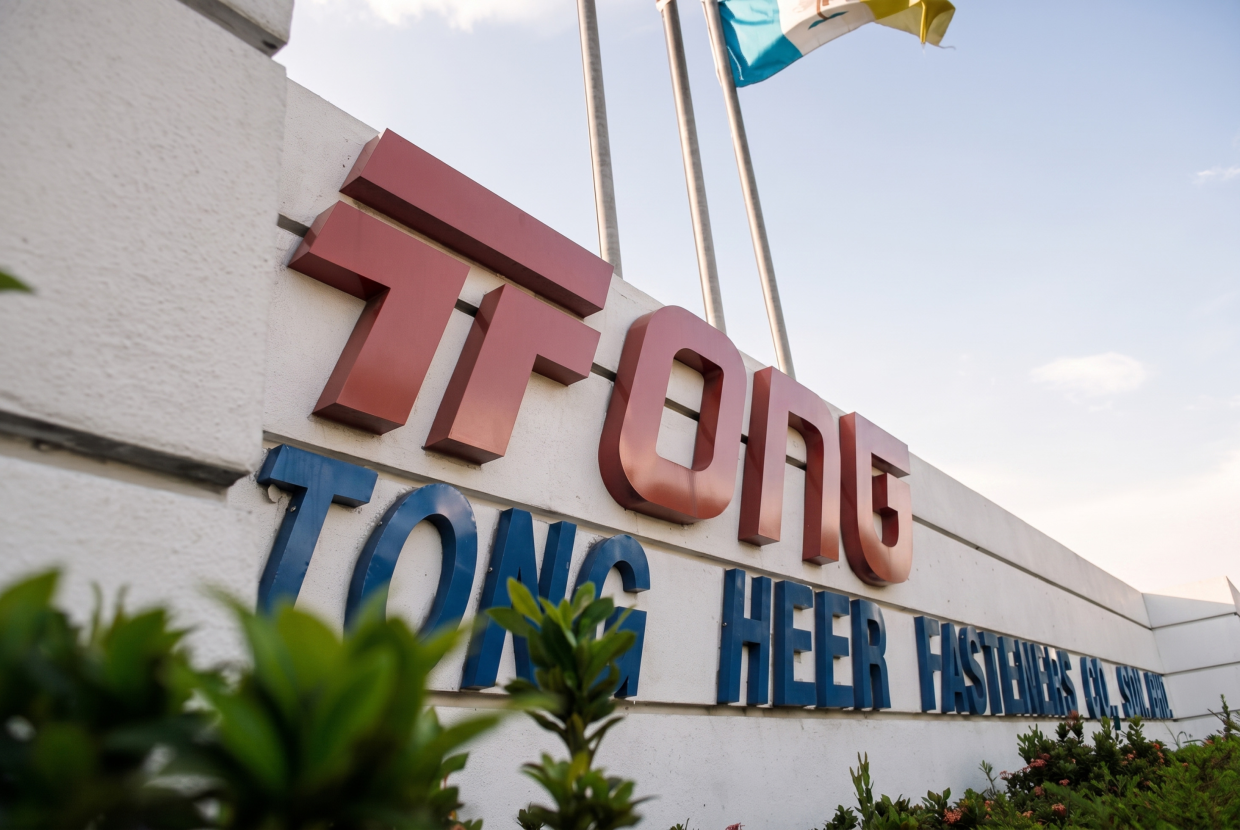
A privatisation drive targeting Tong Herr, the stainless steel fasteners and aluminium extrusions manufacturer, has been formally initiated by its two largest shareholders, who are offering RM2.55 per share to acquire the remaining publicly held stake. The proposal, filed with Bursa Malaysia, represents a significant valuation jump of 34.2% above the company's closing price of RM1.90 just before the announcement, signalling considerable confidence in the enterprise among its controlling shareholders.
Allrich Corp and Richard Holdings, which respectively own 39.68% and 31.95% of Tong Herr's issued capital, jointly orchestrated the proposal alongside their associated parties and personal investment companies. This consortium collectively commands 114.38 million shares, amounting to approximately 74.5% of all outstanding equity—a commanding stake that substantially de-risks shareholder approval and dramatically reduces the likelihood of successful resistance from minority investors.
The execution mechanism chosen for the privatisation is a selective capital reduction and repayment exercise, a structuring approach that allows the company to return capital to shareholders while simultaneously removing them from the register. This method requires approval from non-interested shareholders via a special resolution at an extraordinary general meeting, followed by High Court confirmation. The regulatory threshold is demanding: the resolution must secure support from a simple majority of non-interested shareholders in number, combined with 75% approval by value of their voting shares, whilst simultaneously avoiding opposition from more than 10% in value of all shares held by non-interested parties.
Valuation analysis reveals the offer price was calibrated with precision against multiple reference points. The RM2.55 price incorporates Tong Herr's closing price and volume-weighted average price up to August 5, 2026, delivering a 41.7% premium to the RM1.80 closing quotation recorded on that specific date. For Malaysian investors evaluating the offer, this dual-reference approach demonstrates a deliberate attempt to anchor fairness whilst capturing value appreciation over the measurement period.
The controlling shareholders justified their privatisation initiative primarily by highlighting the company's chronic illiquidity, a characteristic that plagues many mid-cap Malaysian stocks. Over the preceding three years, Tong Herr recorded a miserly average daily trading volume of just 21,075 shares, representing merely 0.05% of its free float. This stagnant trading environment effectively traps minority shareholders, rendering their holdings difficult to exit and preventing natural price discovery. For Malaysian retail investors holding Tong Herr shares, the privatisation offer represents a rare and concrete exit opportunity from an illiquid position.
Beyond addressing liquidity constraints, the proposing shareholders articulated broader strategic rationales underpinning their move. They contend that privatisation would liberate the company from the administrative burden, disclosure requirements, and governance costs associated with maintaining listed status. This operational flexibility would theoretically allow management to prioritise long-term wealth accumulation and strategic investments without diverting resources to satisfy quarterly earnings expectations and regulatory compliance frameworks demanded by public markets. For a specialised manufacturer like Tong Herr, whose product lines centre on industrial fasteners and aluminium components, sustained investment cycles and patient capital allocation may indeed prove more valuable than perpetual market scrutiny.
The delisting intention is unambiguous. Upon completion of the selective capital reduction, the controlling shareholders have committed to requesting Bursa Securities to remove Tong Herr from the Main Market, formally terminating its public company status. This permanence distinguishes the proposal from a typical privatisation that preserves the option for future relisting; minority shareholders would surrender any liquidity option that public markets might provide in coming years.
For the broader Malaysian investment landscape, this privatisation highlights a recurring structural tension within the country's equity market. Illiquid small-to-mid-cap stocks frequently trade at substantial discounts to intrinsic value precisely because public ownership creates trading friction without delivering corresponding liquidity benefits. When controlling shareholders possess sufficient conviction and capital, they can arbitrage this discount by offering a substantial but economically rational premium that exceeds depressed public market valuations whilst extracting value from privatisation. The 34–42% premium range offered here reflects this arbitrage opportunity.
Tong Herr's independent directors face the delegated responsibility of deliberating the proposal and determining next steps, though their scope remains constrained given the controlling shareholders' supermajority position. The company has signalled that further announcements will follow this evaluation period. For non-interested shareholders, the coming weeks will define the timeline for decision-making and the ultimate terms available for exit.
The privatisation proposal emerges amid broader regional trends toward corporate delisting, as Southeast Asian public markets grapple with structural challenges including insufficient institutional investor participation, limited retail engagement, and high compliance burdens relative to the liquidity generated. Whether Tong Herr's privatisation accelerates wealth creation for its controlling shareholders or merely represents a reallocation of value between different shareholder classes will ultimately depend on the company's operational trajectory under full private ownership. What remains clear is that minority shareholders now face a binary choice: accept the RM2.55 offer and exit an illiquid position, or retain their stakes in what will become an unlisted private enterprise with severely constrained exit options.

