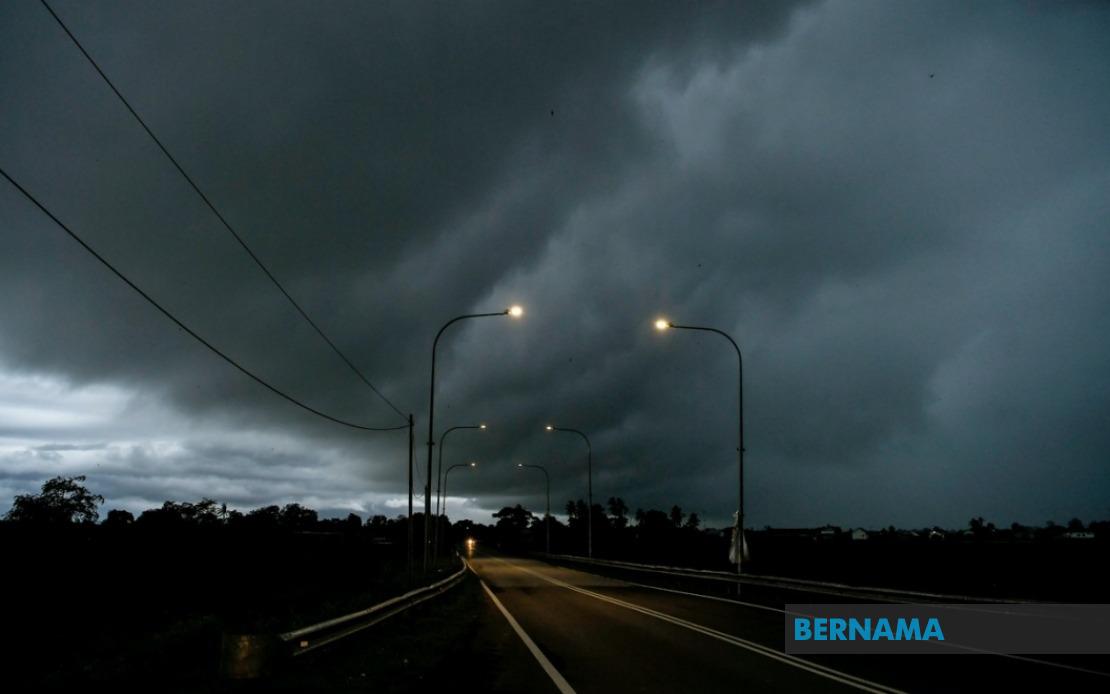
The Malaysian Meteorological Department has activated a comprehensive severe weather advisory covering nine states and the federal territory of Labuan, with conditions expected to persist until 9 pm today. The alert encompasses thunderstorms, heavy rainfall, and strong winds that could impact daily activities and travel across multiple regions of Peninsular Malaysia, Sarawak, and Sabah.
In the northern region, the entire state of Perlis falls under the warning zone. Within Kedah, the alert specifically affects the districts of Langkawi, Kubang Pasu, Kota Setar, Pokok Sena, Padang Terap, Sik, and Baling, indicating that while much of the state faces weather threats, some districts remain outside the immediate danger zone. This targeted approach allows residents in unaffected areas to continue their activities with less disruption, while those in highlighted districts should exercise heightened caution.
Perak's east coast districts bear the brunt of the warning, with Kerian, Larut, Matang and Selama, Kuala Kangsar, Kinta, and Kampar all designated as high-risk zones for severe thunderstorms. These areas, which include both rural and urban centres, may experience infrastructure challenges during heavy downpours, particularly in low-lying and flood-prone localities that historically struggle with drainage during intense rainfall events.
Central Malaysian states are similarly affected. In Pahang, the vulnerable areas comprise the highland region of Cameron Highlands alongside the southern districts of Bentong, Bera, and Rompin. Selangor's Hulu Langat district, which encompasses parts of the Klang Valley's eastern periphery, faces the warning, potentially affecting commuters and residents in towns such as Ampang and Cheras. Negeri Sembilan's interior districts of Jelebu and Jempol also remain under alert.
Johor's southeastern region experiences significant weather risk, with the districts of Segamat, Kluang, and Mersing all flagged for dangerous conditions. These southern zones typically experience tropical downpours during monsoon periods, and the combination of thunderstorms with strong winds poses additional hazards beyond simple rainfall accumulation, including risks of fallen trees and temporary power disruptions.
East Malaysia faces equally serious threats. Sarawak's alert encompasses a broad swath of the state, from the capital region including Kuching and Bau through the southwestern districts of Serian and Samarahan encompassing both Samarahan and Asajaya towns. The warning extends eastward through Sarikei's Meradong area, the Sibu division, and Mukah's Tanjung Manis region, indicating severe conditions across the state's populated coastal and riverine zones. Upriver areas are also vulnerable, with Kapit's Song and Kapit districts, as well as Bintulu's Tatau and Sebauh areas, facing the threat. Miri's Marudi district and Limbang in the far north complete Sarawak's affected territories.
Sabah's warning encompasses the interior elevated regions of Sipitang, Kuala Penyu, Beaufort, and Tambunan, where sudden flash flooding poses particular risks given the terrain's mountainous character and limited drainage capacity. The state's west coast region faces general exposure to the severe weather system, while Sandakan division's Tongod and Kinabatangan districts in the east remain under heightened alert. These eastern zones sit near the Sulu and Celebes Seas, where atmospheric conditions can intensify rapidly.
The geographic distribution of this alert indicates a weather system affecting Malaysia's entire landmass simultaneously, suggesting a significant atmospheric disturbance rather than isolated local thunderstorms. This pattern typically occurs during monsoon transitions or when active convective cells develop across a broad region. Residents in warned areas should secure loose outdoor items, avoid unnecessary travel, and remain indoors during the most intense periods of the warning window.
The 9 pm deadline suggests meteorologists expect the system to weaken or move offshore by that time, though localized pockets may experience continued activity slightly longer. For Malaysian readers, such alerts serve as critical information for planning evening commutes, outdoor events, and outdoor work schedules. The specificity of district-level warnings enables residents to determine whether their immediate vicinity faces direct risk or lies just beyond the affected zones, allowing for more nuanced decision-making than blanket state-level alerts would permit.
Travellers planning to transit through the affected regions during the alert period should anticipate potential delays, reduced visibility on highways, and challenging driving conditions. Motorists on major thoroughfares linking the northern and southern regions of Peninsular Malaysia should exercise particular caution, as thunderstorm warnings often correlate with accidents caused by sudden visibility loss and hydroplaning on wet surfaces. For those in Sarawak and Sabah, river transport users must also factor in the heightened risk of rough waters and unpredictable wind gusts near major waterways.

%22%2F%3E%3C%2Fpattern%3E%3C%2Fdefs%3E%3Crect%20width%3D%22100%25%22%20height%3D%22100%25%22%20fill%3D%22url(%23ph21o2sg)%22%2F%3E%3Crect%20width%3D%22100%25%22%20height%3D%22100%25%22%20fill%3D%22url(%23ph21o2sp)%22%2F%3E%3Ctext%20x%3D%2250%25%22%20y%3D%2250%25%22%20text-anchor%3D%22middle%22%20dominant-baseline%3D%22central%22%20fill%3D%22rgba(255%2C255%2C255%2C0.95)%22%20font-family%3D%22Georgia%2C%20'Times%20New%20Roman'%2C%20serif%22%20font-weight%3D%22700%22%20font-size%3D%22170%22%20letter-spacing%3D%22-0.02em%22%3EGabungan%3C%2Ftext%3E%3C%2Fsvg%3E)