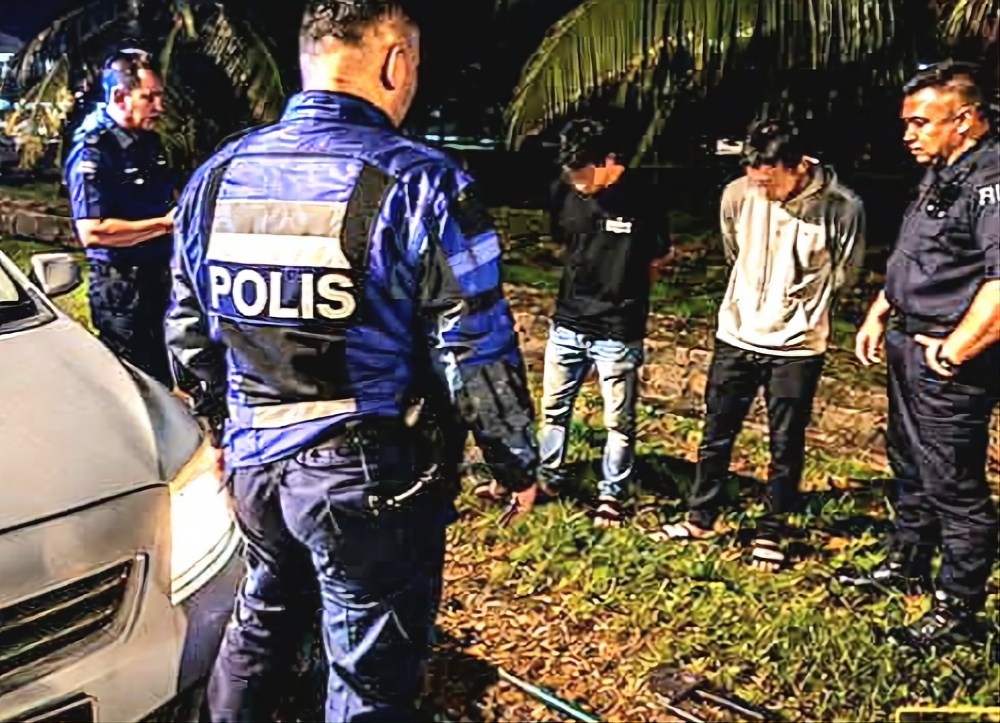
Three residents of Sibu have been taken into custody after allegedly evading police in a dramatic vehicle chase through the city on August 7. The incident unfolded when officers attempted to intercept the suspects, who then fled in their vehicle rather than comply with the lawful stop. The subsequent pursuit concluded with the arrests taking place in the Sungai Merah locality, bringing an end to the brief but intense chase through Sibu's streets.
The circumstances surrounding the initial police intervention remain part of ongoing investigations, with authorities examining what prompted officers to pursue the vehicle in the first place. Such chase incidents in Malaysian cities have become a subject of public concern, particularly regarding public safety and the tactics deployed by law enforcement during active pursuits. The Sibu incident contributes to a broader pattern of enforcement operations that Sarawak Police have conducted across the state's urban areas in recent months.
Police procedures dictate strict protocols for vehicle pursuits, balancing the need to apprehend suspects against risks to public safety. The decision to pursue typically hinges on the severity of suspected offences and immediate threats posed by the suspects. In this case, the three men remained at police custody following their apprehension, with further investigations determining what charges, if any, would be filed against them. The Sibu Police District has not disclosed details about the nature of suspicions that led to the initial stop attempt.
Sibu, located in central Sarawak along the Rajang River, serves as an important commercial and administrative hub in the state. The city experiences regular law enforcement activities as part of routine policing operations. Incidents of this nature occasionally surface in official police reports, though the frequency of such chases varies depending on prevailing criminal activity and enforcement priorities during specific periods.
For Malaysian residents and observers of policing matters, such incidents raise questions about underlying causes that lead individuals to flee from authorities rather than cooperate. Factors ranging from outstanding warrants to substance-related concerns frequently emerge in post-incident investigations. The Sibu chase, while resolved without reported injuries to the public or officers, underscores the unpredictable nature of law enforcement confrontations on urban roads.
Sarawak's police force, operating under the Royal Malaysia Police framework, maintains enforcement operations across both urban and rural areas of the state. Recent years have witnessed coordinated efforts targeting various criminal activities, from drug trafficking to vehicle-related offences. The arrests in Sibu align with the department's stated commitment to maintaining public order and responding to suspicious activities that warrant police intervention.
The detention of the three men pending further investigation represents a standard procedural step in Malaysian law enforcement. Depending on findings during interrogation and evidence gathered at the scene, authorities will determine appropriate next steps, which could include formal charges or release pending further enquiry. The transparency regarding arrest locations and basic facts reflects public communication standards maintained by state police departments.
From a regional perspective, vehicle pursuits and the attendant risks they present remain topics of ongoing discussion among Southeast Asian law enforcement agencies. Malaysia's approach typically emphasizes officer and public safety alongside apprehension objectives. Training protocols for pursuit situations have evolved to address concerns raised by civil society groups and safety advocates over the years.
The broader implications of the Sibu incident extend to questions about why individuals choose to flee from police rather than submit to questioning. Psychological research suggests multiple motivations operate simultaneously—fear of consequences, panic responses, or genuine threats to personal safety. Understanding these dynamics helps authorities develop community policing approaches that might reduce dangerous pursuit scenarios in future. The Sibu incident, though resolved, provides material for ongoing discussions among law enforcement circles regarding best practices in similar circumstances.
Moving forward, the investigation will likely reveal details about the suspects' identities, their reasons for evasion, and any underlying criminal matters that prompted the initial police intervention. These findings, once released by authorities, will contribute to the public record regarding law enforcement operations in Sarawak. For citizens in Sibu and throughout the state, such incidents serve as reminders of the dynamic nature of policing work and the various scenarios that officers navigate while maintaining public safety across diverse urban and rural environments.

