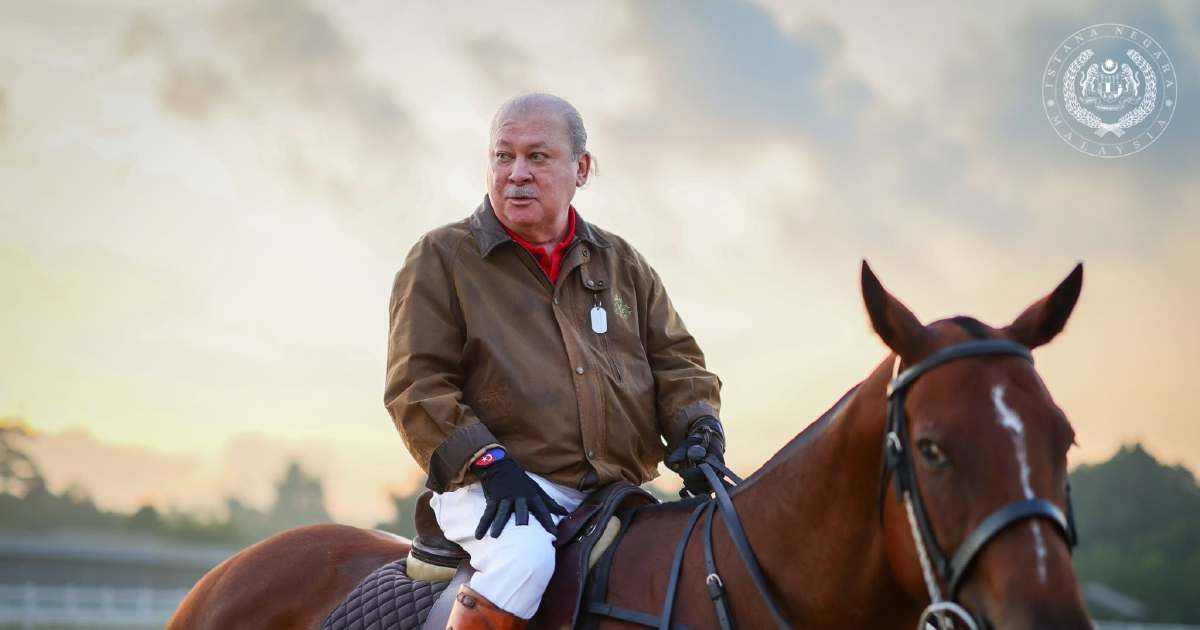
His Majesty Sultan Ibrahim, King of Malaysia, resumed his established morning fitness programme at the Royal Johor Polo Club in Johor Baru, engaging in an equestrian session characterised by measured and unhurried movements. The monarch's participation in regular horse riding represents a deliberate commitment to maintaining physical wellbeing amid the intensive schedule that accompanies the highest constitutional office in the nation.
The Royal Johor Polo Club, situated within the grounds of Istana Pasir Pelangi, serves as a primary venue for the sovereign's recreational activities and has long been associated with equestrian pursuits among Malaysia's royal households. The facility provides an appropriately secure and private setting where His Majesty can pursue physical exercise away from public scrutiny, permitting the flexibility necessary for maintaining consistent health routines despite pressing state affairs.
Regular physical activity among senior figures carries broader symbolic significance in Malaysian public life. By maintaining visible commitment to personal fitness, the monarch demonstrates accessibility and modernity to the nation's population, signalling that duties of state need not preclude attention to personal health. This approach aligns with contemporary wellness attitudes increasingly embraced across Southeast Asian societies, where senior leadership increasingly models healthy living for broader populations.
Horse riding specifically demands considerable physical engagement, requiring balance, core strength, and cardiovascular exertion. The measured pace adopted during today's session—described as calm and relaxed—suggests a sustainable approach prioritising consistency over intensity, reflecting prudent health management for an individual managing demanding constitutional responsibilities. This measured methodology mirrors approaches endorsed by health practitioners across the region who emphasise regular moderate activity as superior to sporadic intensive exercise.
The continuity of such routines despite changes in circumstances underscores the institutional stability that underpins Malaysia's constitutional monarchy. Regardless of political developments or administrative challenges, the preservation of established personal and ceremonial patterns provides reassurance regarding the constancy of the institution itself. For Malaysian citizens observing their monarch's sustained engagement with personal wellness regimens, such consistency communicates an implicit message of steadiness and commitment to established traditions.
Equestrian activities hold particular cultural resonance within Malaysia's royal heritage, with polo and horse riding maintaining prominence across the nation's sultanates and federal territories for generations. The continuation of such practices by the reigning monarch thus represents more than mere personal preference; it constitutes an affirmation of cultural continuity and the enduring importance of traditions within contemporary Malaysian governance. The Royal Johor Polo Club itself exemplifies the infrastructure supporting these established practices.
From a public health perspective, the monarch's visible engagement with regular physical exercise contributes to broader national conversations regarding wellness and fitness among populations across all demographic segments. In a region confronting increasing prevalence of lifestyle-related health challenges, prominent examples of sustained physical activity carry messaging value extending beyond individual health maintenance into the realm of social influence and cultural norm-setting.
The timing and consistency of such routines also reflect the structured organisation underlying the royal household's daily operations. Maintaining designated periods for personal fitness within a calendar encompassing state functions, ceremonial duties, and constitutional responsibilities requires sophisticated administrative coordination. The successful continuation of such regimens demonstrates the operational efficiency characterising Malaysia's institutional arrangements at the highest level.
For Malaysian observers attuned to developments within the royal sphere, such routine activities provide indirect indicators of broader wellbeing and capacity for fulfilling constitutional obligations. The apparent vigour and engagement evident in maintaining established personal routines offer reassurance regarding the sovereign's health status and continuing ability to discharge the multifaceted responsibilities inherent to the position of King of Malaysia, particularly important given the nation's complex constitutional framework and the extensive ceremonial dimensions accompanying the office.

%22%2F%3E%3C%2Fpattern%3E%3C%2Fdefs%3E%3Crect%20width%3D%22100%25%22%20height%3D%22100%25%22%20fill%3D%22url(%23ph21o2sg)%22%2F%3E%3Crect%20width%3D%22100%25%22%20height%3D%22100%25%22%20fill%3D%22url(%23ph21o2sp)%22%2F%3E%3Ctext%20x%3D%2250%25%22%20y%3D%2250%25%22%20text-anchor%3D%22middle%22%20dominant-baseline%3D%22central%22%20fill%3D%22rgba(255%2C255%2C255%2C0.95)%22%20font-family%3D%22Georgia%2C%20'Times%20New%20Roman'%2C%20serif%22%20font-weight%3D%22700%22%20font-size%3D%22170%22%20letter-spacing%3D%22-0.02em%22%3EGabungan%3C%2Ftext%3E%3C%2Fsvg%3E)