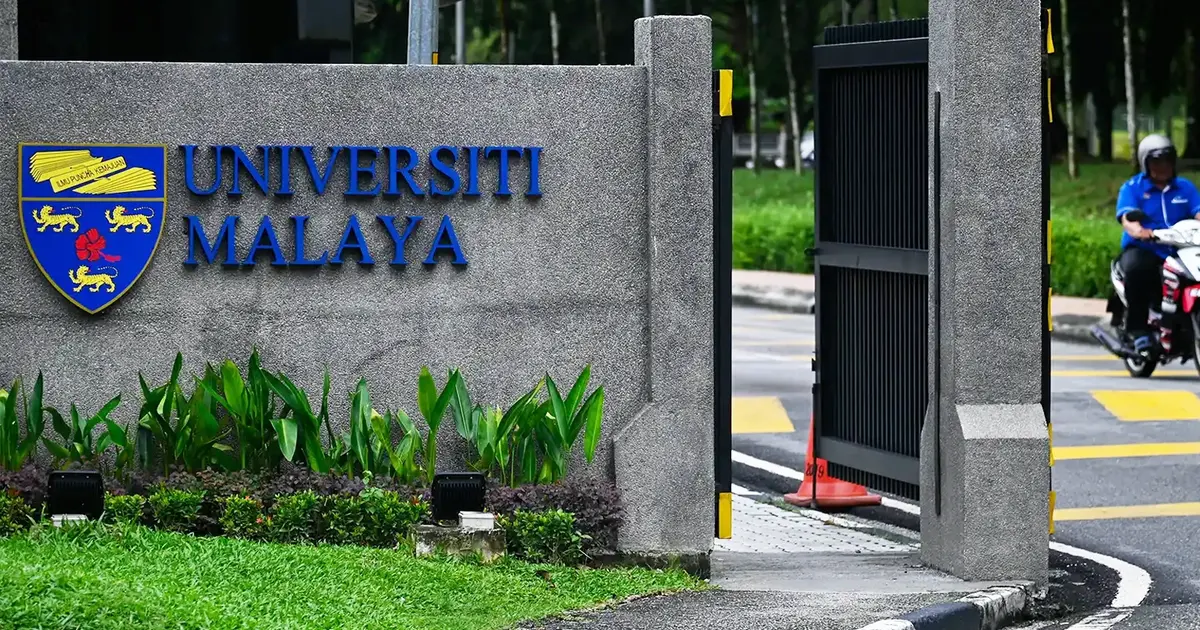
The University of Malaya faces mounting pressure from a student-led advocacy organisation to provide transparency regarding a lengthy investigation into allegations of sexual harassment involving a faculty member. NewGen UM, an independent group focused on student welfare and accountability, has escalated calls for the institution to announce the outcome of the inquiry, which senior officials indicated in September would be concluded imminently.
The protracted silence surrounding the investigation has become emblematic of broader concerns about institutional accountability at one of Malaysia's premier universities. When administrators originally signalled that the probe had reached an advanced stage several months ago, the announcement appeared to signal imminent resolution. However, the months that have passed without public communication about findings or conclusions have left affected parties and the wider campus community in a state of prolonged uncertainty.
NewGen UM's demands reflect growing frustration among student representatives who argue that transparency serves both justice and institutional credibility. The group contends that without clear information about investigative outcomes and any consequent measures, the university undermines trust in its commitment to addressing misconduct. For students and staff who submitted complaints or participated in the process, the absence of resolution creates an ambiguous situation where accountability remains unclear.
Universities across Malaysia have increasingly faced scrutiny over their handling of sexual harassment and misconduct cases, with students and civil society organisations advocating for more robust reporting mechanisms and transparent outcomes. The University of Malaya case highlights systemic questions about whether such investigations are conducted with genuine urgency or whether institutional inertia allows findings to languish without resolution. This pattern of delayed announcement can inadvertently signal that misconduct allegations are deprioritised once the immediate public attention fades.
The investigation's protracted timeline also raises practical questions about resource allocation and institutional priorities within the university's administrative apparatus. Whether delays stem from procedural complexity, legal considerations, or simply administrative backlog, the lack of communication creates a vacuum that inevitably damages institutional reputation far more than timely disclosure would. Transparency about investigative processes—including realistic timelines—would allow the university to demonstrate that accountability mechanisms function effectively.
For the accused professor, unresolved allegations create their own form of uncertainty and potential reputational damage. Conversely, for complainants, the absence of closure means unresolved trauma and questions about whether the institution takes their complaints seriously. Both scenarios underscore how institutional silence, however unintentional, compounds the initial harm that misconduct investigations are designed to address.
The broader implications for Malaysian higher education are significant. As universities position themselves as institutions of integrity and academic excellence, their handling of misconduct cases directly shapes whether these self-images are credible or merely rhetorical. International academic standards and professional expectations increasingly demand that universities establish clear timelines and transparent processes for investigating and concluding such matters. The University of Malaya's experience suggests that administrative systems may not yet meet these evolving expectations.
NewGen UM's persistence reflects a generation of students increasingly willing to hold institutions accountable through public pressure and organised advocacy. Unlike previous decades when such matters might remain entirely confidential and unresolved, contemporary student movements possess both digital tools and institutional experience to maintain visibility around accountability issues. The group's demands represent not merely frustration but a genuine commitment to changing institutional cultures.
Administrative transparency does not necessarily require breaching confidentiality protections for individuals involved. Universities can provide summary information about investigative conclusions, timelines, and systemic improvements without violating privacy. The current situation—where even basic information about whether an investigation has concluded remains unconfirmed—represents a transparency failure rather than a necessary confidentiality protection.
The University of Malaya has opportunity to demonstrate institutional maturity by promptly clarifying the investigation's status and providing appropriate information about outcomes and any ensuing actions. Continued silence will only deepen perceptions that the institution prioritises reputational management over genuine accountability. For a university of its standing and influence within Malaysian higher education, such a demonstration of commitment to transparency would establish precedent for other institutions grappling with similar matters.
As Malaysian universities increasingly face expectations from both domestic stakeholders and international academic communities regarding conduct standards, the University of Malaya's response to these demands will signal whether institutional accountability represents genuine commitment or merely ceremonial practice. The choice to communicate transparently and promptly remains entirely within institutional control and represents perhaps the most straightforward path to restoring confidence among students and staff.

%22%2F%3E%3C%2Fpattern%3E%3C%2Fdefs%3E%3Crect%20width%3D%22100%25%22%20height%3D%22100%25%22%20fill%3D%22url(%23ph21o2sg)%22%2F%3E%3Crect%20width%3D%22100%25%22%20height%3D%22100%25%22%20fill%3D%22url(%23ph21o2sp)%22%2F%3E%3Ctext%20x%3D%2250%25%22%20y%3D%2250%25%22%20text-anchor%3D%22middle%22%20dominant-baseline%3D%22central%22%20fill%3D%22rgba(255%2C255%2C255%2C0.95)%22%20font-family%3D%22Georgia%2C%20'Times%20New%20Roman'%2C%20serif%22%20font-weight%3D%22700%22%20font-size%3D%22170%22%20letter-spacing%3D%22-0.02em%22%3EGabungan%3C%2Ftext%3E%3C%2Fsvg%3E)