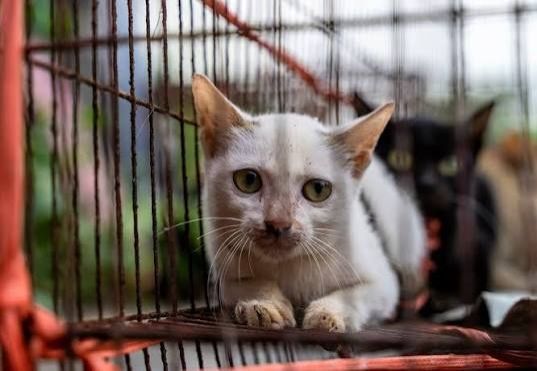
Vietnamese law enforcement has dismantled a major cat trafficking operation that had been systematically stealing household pets across southern Vietnam for resale to the meat trade. The bust, conducted by Ho Chi Minh City police last week, resulted in nine arrests and the recovery of more than 400 living cats destined for slaughter, alongside 80 carcasses preserved on ice. Animal rights organization Humane World for Animals confirmed on Tuesday that at least 40 of the stolen felines have successfully been returned to their owners, marking a significant victory in efforts to combat pet theft in the region.
The criminal network specializing in cat abduction operated with disturbing efficiency, having lured and trapped animals across southern Vietnam over a three-year period before being caught. Authorities conducted raids on multiple facilities operated by the gang, seizing 21 additional cats from a separate location. The scale of the operation underscores the organized nature of the trafficking problem affecting major urban centers like Ho Chi Minh City, where residents have reported escalating pet thefts in recent months. Police launched their investigation in direct response to mounting complaints from the public about missing cats in the city.
While cat and dog consumption remains legal throughout Vietnam, the country does maintain regulatory frameworks intended to govern the trade. Restaurants and vendors that sell meat from these animals are required by law to possess certificates documenting the origin of their supplies. However, the thriving black market for stolen pets suggests enforcement of these requirements remains inconsistent and ineffective. The nine arrested suspects apparently operated without such documentation, instead obtaining their inventory through systematic theft from household owners, indicating how easily illegal suppliers can circumvent official oversight in the sector.
The recovery operation has not come without tragedy. Humane World for Animals reported that approximately 100 of the rescued cats did not survive the ordeal, having succumbed to the physical and psychological trauma endured during their captivity and transportation. The deaths highlight the brutal conditions inherent in the trafficking process and the devastating impact on animals subjected to such exploitation. Many of the surviving cats remain in police custody as evidence required for the prosecution of the arrested gang members, creating ongoing welfare challenges that extend beyond the successful reunifications.
The animal welfare organization has stepped in to provide essential support for the detained animals awaiting case resolution. Humane World for Animals has donated food supplies and is coordinating the delivery of cooling equipment to the police facility housing the cats, addressing critical concerns about animal comfort and health in an environment not designed for long-term pet care. The organization's representative, Karanvir Kukreja, emphasized that protecting the welfare of cats remaining in police hands represents a pressing priority as legal proceedings unfold against the accused traffickers.
For Malaysian readers, this development carries particular relevance given similar concerns about pet theft and illicit animal trafficking across Southeast Asia. The sophistication of the Vietnamese operation demonstrates how organized networks can operate across multiple cities and states, targeting urban areas with significant populations of pet owners. The case illustrates the vulnerability of beloved household animals to coordinated criminal exploitation and the importance of vigilance among pet owners regarding their animals' security and whereabouts.
The police operation in Ho Chi Minh City has been widely praised by animal rights advocates as a model intervention, demonstrating what focused law enforcement action can achieve in disrupting trafficking networks. However, observers note that dismantling one criminal group does not address the underlying market demand that fuels such networks. The continued legal status of cat and dog consumption in Vietnam, combined with weak enforcement of origin documentation requirements, creates persistent conditions enabling traffickers to operate with relative impunity.
The successful reunification of over 40 pets with their owners provides hope for other victims whose fates remain uncertain. Owners whose cats were stolen but not yet recovered should remain vigilant and alert authorities to any sightings, as some animals may still be at large. The case has prompted broader discussions within Vietnamese society about animal welfare standards and the ethics of consuming companion animals, with increasing public concern about the cruelty inherent in the trafficking process.
Looking forward, animal welfare organizations across Southeast Asia are using this bust as evidence for the need for stronger legal protections for pets and more rigorous enforcement of existing regulations governing animal trade. The case demonstrates that systematic cat theft represents not merely isolated incidents but organized criminal activity requiring dedicated investigative resources and inter-agency coordination. For regional governments considering animal welfare reforms, the Ho Chi Minh City operation offers both a cautionary tale about trafficking networks and an encouraging example of what determined police action can achieve in protecting vulnerable animals from exploitation.

%22%2F%3E%3C%2Fpattern%3E%3C%2Fdefs%3E%3Crect%20width%3D%22100%25%22%20height%3D%22100%25%22%20fill%3D%22url(%23ph21o2sg)%22%2F%3E%3Crect%20width%3D%22100%25%22%20height%3D%22100%25%22%20fill%3D%22url(%23ph21o2sp)%22%2F%3E%3Ctext%20x%3D%2250%25%22%20y%3D%2250%25%22%20text-anchor%3D%22middle%22%20dominant-baseline%3D%22central%22%20fill%3D%22rgba(255%2C255%2C255%2C0.95)%22%20font-family%3D%22Georgia%2C%20'Times%20New%20Roman'%2C%20serif%22%20font-weight%3D%22700%22%20font-size%3D%22170%22%20letter-spacing%3D%22-0.02em%22%3EGabungan%3C%2Ftext%3E%3C%2Fsvg%3E)