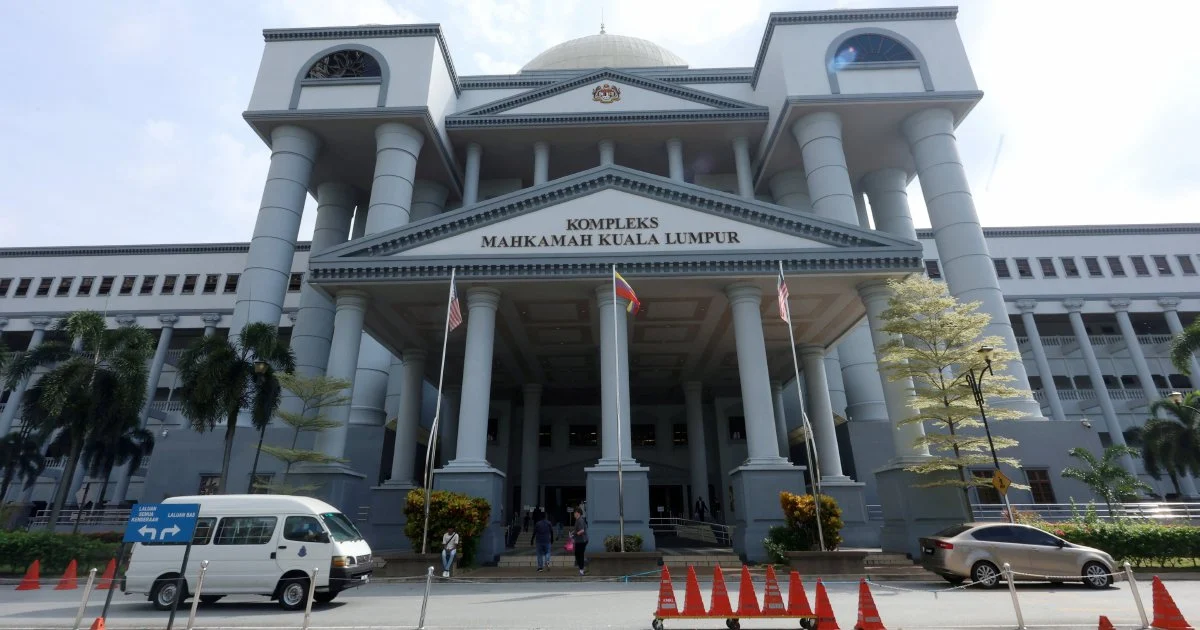
A chief executive officer heading a statutory body made an appearance before the Sessions Court in Kuala Lumpur to face a total of seven corruption charges. The charges centre on allegations that the executive solicited and received bribes surpassing RM1 million, ostensibly in connection with the awarding and execution of sports facility projects.
The specificity of the charges underscores the anti-corruption authorities' determination to pursue high-level officials whose positions place them in control of significant public resources and procurement decisions. Statutory bodies in Malaysia oversee substantial capital expenditure, particularly in infrastructure and public amenities, making them frequent targets for misconduct investigations by agencies such as the Malaysian Anti-Corruption Commission (MACC).
The involvement of sports facility projects in this case highlights a recurring vulnerability within the public sector. Sports infrastructure development often entails substantial government funding, multiple contractors, and complex approval processes, creating numerous opportunities for corrupt intermediaries to extract improper payments. The scale of the alleged bribes—exceeding RM1 million—indicates a pattern of systematic extraction rather than isolated incidents of malfeasance.
For Malaysian readers, cases of this nature carry significance beyond the immediate legal proceedings. Corruption within statutory bodies directly undermines public confidence in government institutions and diverts resources intended for community benefit toward personal enrichment. When senior executives abuse their positions, the ripple effects extend to project quality, procurement fairness, and ultimately the quality of public services delivered to citizens.
The seven separate charges suggest that prosecutors have built a detailed evidentiary foundation, likely supported by financial documentation, witness testimony, and communications records. Each charge presumably corresponds to distinct transactions or instances of alleged bribery, indicating that investigators uncovered multiple occasions on which improper payments were purportedly made and received.
Statutory bodies occupy a peculiar position within Malaysia's public administration framework, operating with operational independence while remaining accountable to relevant ministers and ultimately to Parliament. This independence, while designed to insulate these organisations from political interference, can sometimes obscure accountability mechanisms. Senior executives heading such bodies wield considerable discretionary authority over vendor selection, contract terms, and project allocation—power that the allegations suggest was exploited for personal gain.
The emergence of such cases reflects the evolving sophistication of anti-corruption investigations in Malaysia. Investigators increasingly trace complex financial flows, examine banking records, and reconstruct the decision-making processes that preceded contract awards. The MACC's capacity to pursue high-ranking officials demonstrates institutional commitment to pursuing corruption regardless of the perpetrator's seniority or public standing.
From a regional perspective, Malaysia's willingness to prosecute corruption within senior positions sends a message about governance standards within Southeast Asia. Neighbouring countries and international observers often benchmark Malaysia's anti-corruption efforts by examining whether investigations extend to powerful figures or remain confined to lower-level officials. High-profile prosecutions of statutory body executives contribute to perceptions of institutional independence and rule-of-law commitment.
The sessions court proceedings will likely involve detailed examination of the mechanics of alleged bribery. Prosecutors will presumably present evidence demonstrating how contractors or third parties channelled payments to the executive in exchange for favourable treatment regarding contracts, approvals, or project awards. The defence will have opportunity to challenge the characterisation of transactions and present alternative explanations for any financial arrangements documented by investigators.
For stakeholders in Malaysia's construction and sports infrastructure sectors, this case carries practical implications. Contractors and consultants engaged in bidding for publicly funded sports facility projects must be cognisant of the legal consequences of attempting to influence decision-makers through improper inducements. Conversely, officials evaluating bids face renewed scrutiny regarding their procurement decisions and the appearance of impartiality.
The broader institutional context matters significantly. Statutory bodies employ thousands of Malaysians and manage billions in annual expenditure across sectors including transport, utilities, sports, and social services. Corruption within even a single organisation erodes the integrity of the entire ecosystem and encourages cynicism about whether government agencies can deliver value to citizens. The prosecution therefore serves a preventive function, signalling potential consequences to other officials tempted to exploit their positions.
As the legal proceedings unfold, the outcomes will provide important guidance regarding prosecution thresholds, evidentiary standards, and sentencing approaches for corruption cases involving public sector executives. The decisions made by the sessions court will likely inform future investigations and prosecutions, shaping how Malaysia's anti-corruption framework evolves in addressing institutional malfeasance.

%22%2F%3E%3C%2Fpattern%3E%3C%2Fdefs%3E%3Crect%20width%3D%22100%25%22%20height%3D%22100%25%22%20fill%3D%22url(%23ph21o2sg)%22%2F%3E%3Crect%20width%3D%22100%25%22%20height%3D%22100%25%22%20fill%3D%22url(%23ph21o2sp)%22%2F%3E%3Ctext%20x%3D%2250%25%22%20y%3D%2250%25%22%20text-anchor%3D%22middle%22%20dominant-baseline%3D%22central%22%20fill%3D%22rgba(255%2C255%2C255%2C0.95)%22%20font-family%3D%22Georgia%2C%20'Times%20New%20Roman'%2C%20serif%22%20font-weight%3D%22700%22%20font-size%3D%22170%22%20letter-spacing%3D%22-0.02em%22%3EGabungan%3C%2Ftext%3E%3C%2Fsvg%3E)