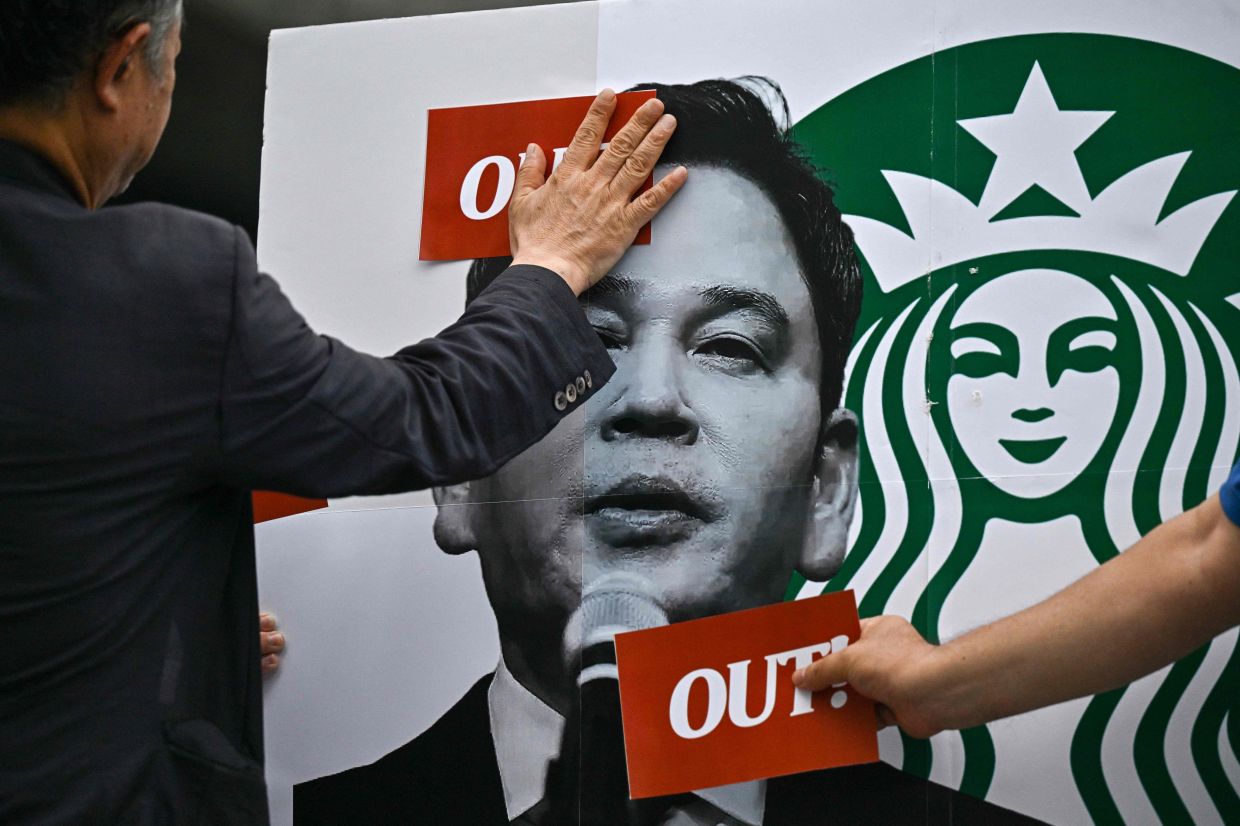
South Korean police have begun questioning executives from Shinsegae Group, the operator of Starbucks Korea, regarding a promotional campaign that inadvertently triggered national outrage by commemorating an infamous date in the country's democratic history. Yang Jong-hwan, head of Shinsegae Group's audit team, was questioned by the Seoul Metropolitan Police Agency on Wednesday as a witness in the ongoing investigation, according to a company statement released Thursday. The interrogation marks an escalation in official scrutiny of what has become one of South Korea's most controversial corporate missteps in recent memory.
The controversy centres on a reusable cup promotion branded "Tank Day" that Starbucks Korea scheduled for May 18, a date laden with tragic historical significance for the nation. That same date in 1980 saw the Gwangju uprising, a pro-democracy protest movement brutally suppressed by military forces, resulting in the deaths of 165 civilians according to official records, though historians and activists maintain the actual casualty figure substantially exceeds this figure. The decision to launch the campaign on this sensitive anniversary, combined with imagery associated with tanks used during the crackdown, created an impression of profound insensitivity that reverberated across South Korean society and drew swift condemnation from political figures and civil society organisations alike.
The magnitude of the corporate blunder prompted immediate damage control measures. Shinsegae Group dismissed its Korea chief executive on the day the scandal became public, acknowledging the severity of the misstep. Subsequently, the group's chairman Chung Yong-jin made a formal public apology, bowing before media and observers in an attempt to demonstrate remorse and responsibility for the incident. Despite these gestures, the damage to corporate reputation proved difficult to contain, and public anger continued to mount as awareness of the campaign spread throughout the country.
The controversy transcended simple public relations management when a civic advocacy group lodged formal legal complaints against Chung and other Shinsegae executives. The complainants invoked South Korea's 2016 law governing discussions of the 1980 democratic uprising, which specifically prohibits the dissemination of false or distorted information about this historical event. Beyond this statute, the legal action also incorporated charges of defamation and insult, suggesting that the campaign represented not merely carelessness but a violation of legal protections surrounding collective memory of a pivotal moment in Korean history.
Investigators have begun the painstaking process of determining how such a significant oversight could occur within a major corporate organisation. Company officials have already acknowledged multiple failures in internal oversight procedures, citing negligent acts that facilitated the campaign's progression through approval stages. Particular criticism centres on executives who authorised the promotion without properly examining the design file and visual elements, raising questions about the adequacy of corporate governance structures and checks within Shinsegae's decision-making apparatus.
The operational and financial consequences for Starbucks Korea have been substantial. The chain reported a marked downturn in sales during the immediate aftermath of the scandal, as consumers responded to the controversy through purchasing decisions. The company operates more than two thousand locations across South Korea under a licensing arrangement with Shinsegae, making it a significant enterprise within the retail and food service sectors. The "sharp decline in sales" documented in early June represented tangible economic damage stemming from the reputational crisis, compounding the institutional embarrassment.
In response to ongoing public outcry, Starbucks Korea has instituted a remedial educational initiative across its operations. All stores nationwide will close for half a day on Monday to permit staff members to participate in a comprehensive history lesson focused on the Gwangju uprising and its implications for Korean society. This decision reflects an attempt to demonstrate institutional commitment to acknowledging historical truth and preventing similar oversights. Furthermore, Chung Yong-jin and other senior executives have committed to attending a similar educational session scheduled for two days later, signalling that accountability extends to leadership levels.
The incident carries particular significance given South Korea's status as Starbucks' third largest market globally, trailing only the United States and China. The coffee chain holds considerable cultural cachet within Korean society, making the scandal's visibility and impact more pronounced than comparable controversies might be elsewhere. The reputational damage extends beyond financial metrics to encompass questions about corporate values and commitment to respecting shared historical consciousness within Korean society.
The investigative process remains ongoing, with police declining to provide additional commentary to international media outlets. Shinsegae has pledged full cooperation with authorities and expressed hope that facts surrounding the campaign's development and approval will emerge through transparent investigation. The resolution of legal proceedings and police inquiry may take considerable time, yet the incident has already reshaped public discourse about corporate responsibility and the necessity for organisations to demonstrate awareness of historical context when launching consumer-facing campaigns.
The broader implications extend to Southeast Asian businesses and multinational corporations operating across the region. The Starbucks Korea case illustrates how campaigns developed without proper cultural and historical literacy can provoke significant backlash, regardless of the absence of intentional malice. As companies increasingly navigate diverse markets with distinct historical narratives and sensitivities, the episode underscores the importance of thorough internal review processes and stakeholder consultation before campaign deployment. Political leaders, including President Lee Jae-myung, have weighed in publicly, characterising the incident as reflecting inhumane and disgraceful conduct, further amplifying pressure for accountability and systemic reform within the organisation.
%22%2F%3E%3C%2Fpattern%3E%3C%2Fdefs%3E%3Crect%20width%3D%22100%25%22%20height%3D%22100%25%22%20fill%3D%22url(%23ph21o2sg)%22%2F%3E%3Crect%20width%3D%22100%25%22%20height%3D%22100%25%22%20fill%3D%22url(%23ph21o2sp)%22%2F%3E%3Ctext%20x%3D%2250%25%22%20y%3D%2250%25%22%20text-anchor%3D%22middle%22%20dominant-baseline%3D%22central%22%20fill%3D%22rgba(255%2C255%2C255%2C0.95)%22%20font-family%3D%22Georgia%2C%20'Times%20New%20Roman'%2C%20serif%22%20font-weight%3D%22700%22%20font-size%3D%22170%22%20letter-spacing%3D%22-0.02em%22%3EGabungan%3C%2Ftext%3E%3C%2Fsvg%3E)