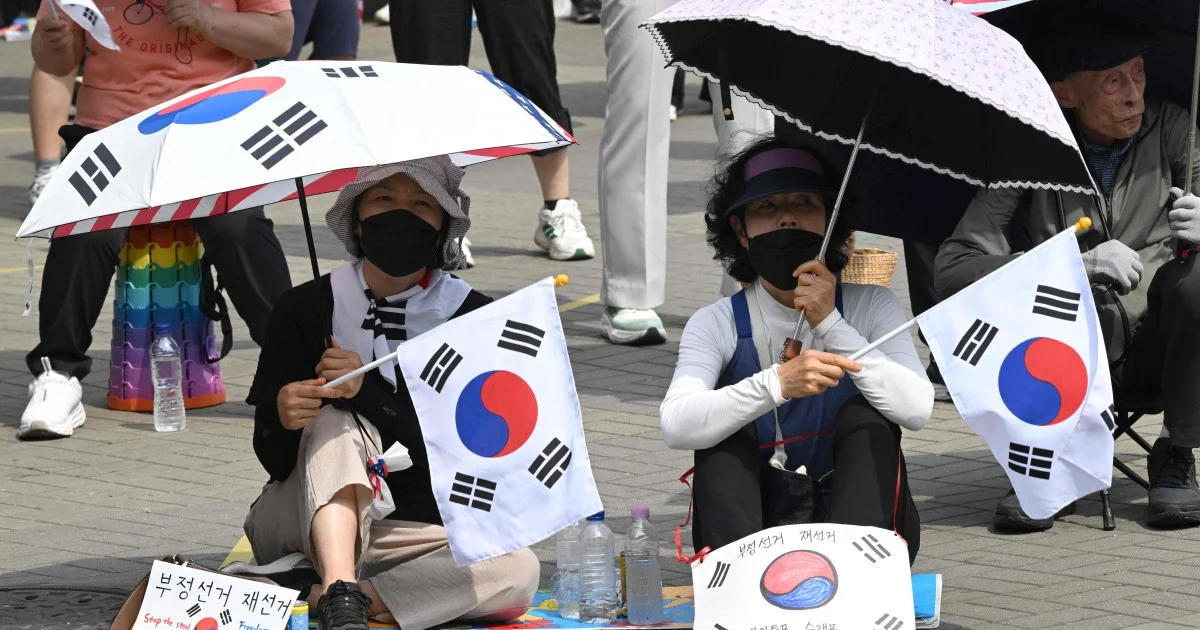
South Korea's parliament has formally initiated a 45-day investigation into the National Election Commission after voting irregularities stemming from a critical shortage of ballot papers marred the June 3 local elections. The investigation plan received approval at a parliamentary plenary session on Thursday, signalling legislative determination to scrutinise the electoral administration's handling of what became a significant procedural breakdown on election day.
The ballot paper shortfall represents a serious operational failure for an election management body responsible for administering one of Asia's most robust democracies. The disruption affected voters across multiple constituencies, raising questions about preparedness, resource allocation, and the Commission's capacity to manage a nationwide electoral exercise. Such incidents undermine public confidence in the electoral process and demand thorough institutional accountability.
For Malaysian observers, South Korea's experience carries instructive lessons. Both nations maintain sophisticated electoral systems underpinned by professional administrative bodies. Malaysia's Election Commission similarly shoulders responsibility for managing large-scale, multi-tiered elections across a geographically dispersed population. The South Korean case exemplifies how even well-resourced democracies face logistical challenges when ballot preparation and distribution systems encounter unexpected demand surges or planning miscalculations.
The 45-day timeframe allocated for the investigation reflects parliamentary confidence that legislators can conduct a meaningful review within a defined period. This compressed schedule suggests parliament intends to produce findings promptly, likely before preparing for subsequent electoral cycles. Such investigations typically examine supply chain management, demand forecasting methodologies, communication between election authorities and polling stations, and contingency protocols that either functioned or failed during the crisis.
Ballot paper shortages occur when preparation and distribution systems underestimate turnout, misjudge the number of polling stations, or experience logistical breakdowns in transit. They create cascading complications: longer queues, voter frustration, extended polling hours, and potential spoilt ballots when printing occurs under pressure. In extreme cases, shortages have forced election postponements in various democracies, making South Korea's ability to complete voting despite shortages significant, though the disruption remains problematic.
The investigation will likely scrutinise whether the National Election Commission possessed adequate demand forecasting tools and whether historical turnout data was properly analysed. Demographers and election officials typically use previous electoral participation rates, demographic trends, and anticipated voter enthusiasm to project ballot requirements. Systematic underestimation suggests either analytical failures or resource constraints that prevented adequate paper procurement and printing.
Southeast Asian election commissions should monitor the investigation's findings, particularly regarding how post-election reviews translate into systemic improvements. South Korea's transparent parliamentary investigation contrasts sharply with some regional practices where electoral irregularities receive minimal public scrutiny. The fact that South Korea's legislature can formally investigate its own election administration reflects institutional maturity that regional democracies might emulate.
The incident also raises questions about technology adoption in electoral administration. Several democracies, including Taiwan and parts of Australia, have experimented with electronic voting systems that eliminate ballot printing bottlenecks entirely. While electronic systems introduce their own complexities and security considerations, they address the fundamental vulnerability that paper-based systems face: physical supply chain disruption. South Korea may consider whether technological modernisation complements or replaces traditional paper voting.
Political opposition to electoral commission leadership invariably intensifies following public mishaps, and this investigation will provide opposition parties a platform to criticise the Commission's operational competence. However, parliamentary investigations can also yield constructive recommendations regardless of partisan positioning. The legitimacy of the process depends on legislators approaching the investigation as institutional improvement rather than purely adversarial score-settling.
For international election observers monitoring Asian democratic development, the South Korean investigation demonstrates institutional resilience. Democracies strengthen not when electoral processes never encounter problems, but when legal frameworks exist to investigate failures transparently and impose remedial measures. Malaysia's election management similarly benefits from parliamentary oversight and public accountability mechanisms that examine administrative performance.
The ballot shortage's impact on voter participation remains a secondary consideration, though equally important. Frustrated voters who encountered inadequate ballots may have felt disenfranchised, potentially affecting turnout patterns. Election administrators must balance security requirements (preventing ballot theft and fraud through over-printing) against accessibility (ensuring sufficient ballots for all legitimate voters). This tension mirrors challenges that Malaysian electoral officials navigate during multi-tier elections involving federal, state, and local contests.
As the investigation unfolds over the coming weeks, South Korean legislators will likely recommend procedural reforms, resource increases, contingency protocols, or technological changes. Implementation of such recommendations will test whether parliamentary investigations translate into durable institutional reform. This iterative process of scrutiny, finding, and improvement characterises mature electoral systems, distinguishing them from those where irregularities accumulate without systematic remedy.

%22%2F%3E%3C%2Fpattern%3E%3C%2Fdefs%3E%3Crect%20width%3D%22100%25%22%20height%3D%22100%25%22%20fill%3D%22url(%23ph21o2sg)%22%2F%3E%3Crect%20width%3D%22100%25%22%20height%3D%22100%25%22%20fill%3D%22url(%23ph21o2sp)%22%2F%3E%3Ctext%20x%3D%2250%25%22%20y%3D%2250%25%22%20text-anchor%3D%22middle%22%20dominant-baseline%3D%22central%22%20fill%3D%22rgba(255%2C255%2C255%2C0.95)%22%20font-family%3D%22Georgia%2C%20'Times%20New%20Roman'%2C%20serif%22%20font-weight%3D%22700%22%20font-size%3D%22170%22%20letter-spacing%3D%22-0.02em%22%3EGabungan%3C%2Ftext%3E%3C%2Fsvg%3E)