A 36-year-old man has been brought before Singapore courts on a slate of serious charges following a motor vehicle collision in Kallang that left two people requiring medical attention. Mohamed Firdouz Mohamed Akram was charged on June 19 with operating a vehicle while impaired by methamphetamine, commonly known as Ice, alongside charges of dangerous driving that resulted in bodily injury to others and operating a motor vehicle without the requisite Class 3 driving licence.
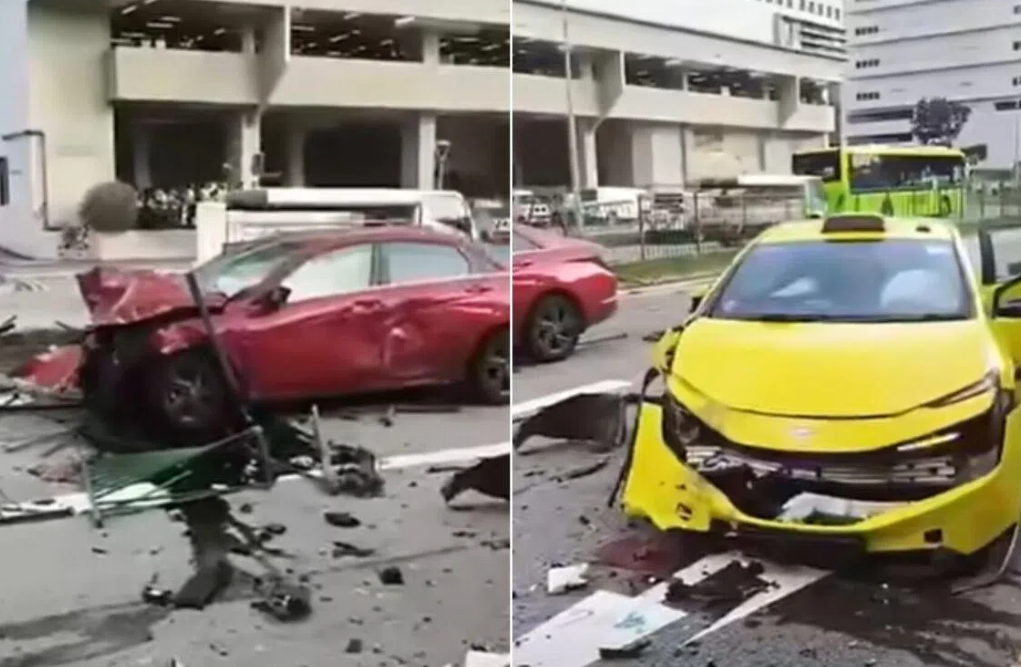
The incident unfolded on the morning of June 17 when Firdousz allegedly drove recklessly along Kallang Bahru around 8am in a state of drug intoxication. According to court documents presented during his initial hearing, the accused failed to maintain proper control of his vehicle, leading to a violent collision with a taxi cab. The taxi driver, a 60-year-old man, and his passenger, a 43-year-old woman, both sustained injuries in the impact. The taxi operator complained of chest discomfort while the passenger suffered tailbone injuries.
What elevated the severity of the incident was Firdousz's immediate response following the crash. Rather than remain at the scene to assist the injured parties or cooperate with emergency services, the accused abandoned his vehicle and fled the location. This hit-and-run behaviour left the injured occupants of the taxi without immediate assistance from the at-fault driver, adding a layer of irresponsibility to the already dangerous conduct. Police officers responding to reports of the collision found no driver at the scene and launched an investigation to identify the fleeing motorist.
Law enforcement proved efficient in their response. Within five hours of receiving the initial report, officers had identified and apprehended Mohamed Firdousz Mohamed Akram. Police statements released on June 18 indicated that officers had successfully established his identity through investigative work, though the exact location and circumstances of his arrest were not disclosed in the initial statement. The swift apprehension prevented further risk to public safety from a driver operating under the influence of a powerful stimulant drug.
The search of Firdousz's abandoned vehicle yielded substantial evidence supporting the drug-related charges. Police discovered suspected methamphetamine, drug paraphernalia, vaporising equipment, and a knuckleduster, all of which were seized as exhibits. The presence of these items suggested a pattern of drug use and possession extending beyond the single incident. Further investigation later revealed that around 1pm on June 17—the same day as the collision—officers found two knives in Firdousz's possession during a search of a room at the Village Hotel Katong on Marine Parade Road, leading to additional weapon possession charges.
The weapons charges compound an already serious criminal case. The discovery of a knuckleduster in the vehicle and two knives in the hotel room suggests that Firdousz was carrying multiple weapons during his movements through Singapore that day. The combination of substance impairment, reckless driving, weapons possession, and fleeing the scene presents a pattern of behaviour that authorities view as particularly dangerous to public safety. These factors will likely weigh heavily in any sentencing determination.
Under Singapore's traffic and criminal legislation, the offences carry substantial penalties that reflect the severity with which authorities treat drug-impaired driving. An individual convicted of operating a motor vehicle while under the influence of controlled substances faces potential imprisonment for up to one year, monetary fines reaching S$10,000, or both penalties combined. The charge of causing injury to others through dangerous driving carries similar jail terms of up to one year alongside fines ranging from S$2,000 to S$10,000, depending on the court's assessment of culpability and harm caused.
For Malaysian and regional readers, the case underscores the persistent problem of drug-impaired driving across Southeast Asia. Methamphetamine remains one of the most widely abused stimulant drugs in the region, with trafficking networks operating across borders and creating sustained demand among users. Singapore's rapid response and serious charging decisions reflect the city-state's zero-tolerance approach to substance abuse and dangerous driving, positioning it among the world's strictest jurisdictions on these matters. The incident serves as a cautionary example of how drug impairment dramatically impairs motor control and decision-making.
The Kallang collision also highlights the vulnerability of taxi operators and their passengers to the consequences of impaired driving by other road users. The two people injured in the taxi were innocent parties who bore the physical and emotional consequences of another motorist's recklessness and drug use. For Malaysia's transport sector, where taxi and ride-hailing services operate extensively, such incidents underscore the importance of comprehensive driver safety training, advanced vehicle safety features, and continued public awareness campaigns regarding the dangers of sharing roads with impaired drivers.
Court proceedings will continue with Firdousz's case scheduled for mention on July 17, where further details about the evidence and potential plea arrangements may emerge. The case will likely serve as a precedent in ongoing discussions about drug-related driving enforcement and sentencing guidelines. Until final adjudication, Firdousz remains subject to bail conditions while awaiting trial, though the seriousness of the charges suggests courts may have imposed restrictive conditions on his release.
The incident raises important questions about drug screening at borders and within communities, particularly given the prevalence of Ice and other synthetic drugs throughout Southeast Asia. Enhanced detection methods and public health interventions remain critical components of comprehensive drug policy. For Malaysian authorities and neighbouring jurisdictions, this Singapore case provides valuable lessons about the necessity of rapid response to dangerous driving incidents and the importance of treating drug-impaired driving with the same severity as drink-driving offences.