The town of Serian is operating under a cloud of respiratory hazard this week as air pollution levels have climbed into the unhealthy range, creating a patchwork response from residents and businesses trying to maintain normal life. According to readings from the Air Pollutant Index Management System on August 13, Serian's API stood at 178 in the afternoon—a measurement that places it firmly in the unhealthy category where vulnerable groups are urged to limit outdoor exposure and healthy individuals may experience respiratory irritation during extended activity.
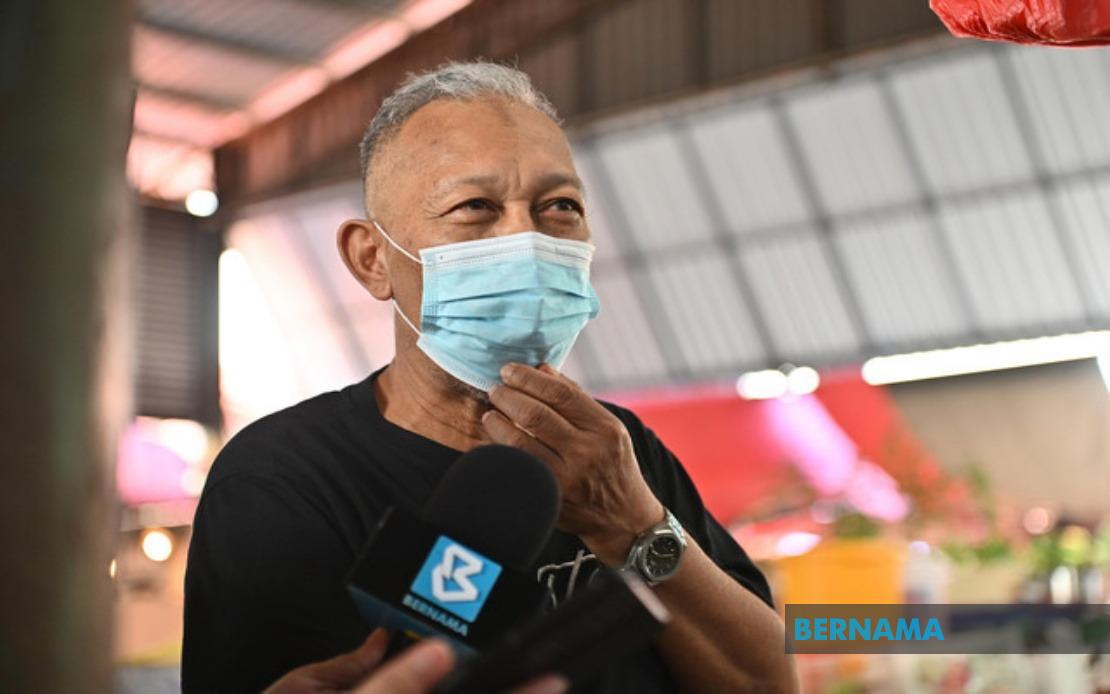
Despite these concerning environmental conditions, the commercial heartbeat of Serian remains active. A visit to Serian Tamu Market revealed traders continuing their operations, many donning protective face masks as they serve customers from their stalls. The market scene underscores a familiar tension facing small business operators across Southeast Asia: the competing pressures of health concerns and economic necessity. For many, closing shop simply is not an option, regardless of air quality deterioration.
Vegetable trader Asmail Kipli, 62, from Gedong exemplifies this economic calculus. He has maintained his daily presence at the market despite a sharp contraction in business activity over recent days. His customer base has shrunk by approximately 30 percent, a decline that directly translates to reduced income precisely when rental obligations remain unchanged. He recognises the haze presents a health consideration, but frames the current situation as manageable enough to continue trading while the atmospheric crisis deepens.
The economic impact on individual livelihoods reveals itself through operational adjustments that traders are making to survive the pollution event. These are not temporary inconveniences but meaningful changes to how these business operators structure their working day and assess risk-benefit calculations. Marina Latong, a 53-year-old fruit seller, has already shortened her business hours, closing by 3 pm rather than operating through the traditional trading period. Her contingency planning goes further—she has explicitly stated her intention to temporarily suspend operations entirely if haze conditions persist, effectively sacrificing income in the hope of preserving her health and potentially weathering the event without permanent economic damage to her livelihood.
Beyond the market precinct, the broader Serian community is visibly adjusting behaviour patterns in response to the air quality crisis. Residents are demonstrating heightened caution about unnecessary outdoor movement, with activity concentrated around essential errands such as grocery shopping and acquiring basic necessities. This voluntary restriction of mobility suggests public awareness of health risks has translated into conscious lifestyle modification, even without mandatory restrictions beyond the school closures. The psychological shift from routine normalcy to vigilant adaptation spreads across the town's social fabric.
The most dramatic intervention has come through the education sector. Authorities have implemented temporary closures affecting 107 schools across Serian, keeping students indoors from the announcement date through Friday of that week. School closures represent the institutional response to haze events across the region—removing vulnerable young populations from outdoor air while simultaneously disrupting family routines and work schedules for parents. This cascading effect demonstrates how environmental crises ripple through interconnected systems beyond simple air quality measurements.
The Serian situation reflects broader transboundary air quality challenges that periodically affect Malaysia and wider Southeast Asia. Haze events, often linked to regional burning practices during seasonal transitions, impose acute public health stresses on affected communities while triggering economic disruptions through reduced consumer activity and business closures. For towns like Serian, which depend heavily on small-scale commerce and agricultural activity, these atmospheric events impose disproportionate hardship on the economically vulnerable populations most reliant on daily income generation.
The response pattern observed in Serian—partial business continuation, individual protective measures, school closures, and voluntary activity reduction—represents the typical adaptation strategy deployed across Malaysia when air quality deteriorates. Without clear government-mandated business closures or strict movement restrictions, individual traders and residents navigate haze events through personal risk assessment and economic necessity, creating a situation where continued exposure occurs despite acknowledged health risks. This dynamic particularly affects lower-income traders without financial buffers to absorb income losses from voluntary or environmental closures.
Looking at the broader implications, Serian's experience underscores persistent vulnerabilities in how Southeast Asian economies absorb environmental shocks. While API monitoring systems provide real-time data about air quality conditions, the policy response remains heavily dependent on school closures and public advisories rather than coordinated economic support mechanisms. Traders like Asmail and Marina face genuine hardship when choosing between health protective measures and financial survival, a tension that remains largely unresolved in regional responses to seasonal haze phenomena.
The coming days in Serian will likely determine whether current conditions stabilise or intensify further. If haze persists beyond the initial week, additional school closures may extend, and more traders may follow Marina Latong's lead toward temporary suspensions. The town's experience serves as a reminder that air quality crises impose multifaceted consequences extending far beyond environmental science—they disrupt livelihoods, interrupt education, and force communities to navigate health risks within constrained economic realities that leave limited room for ideal public health decisions.

