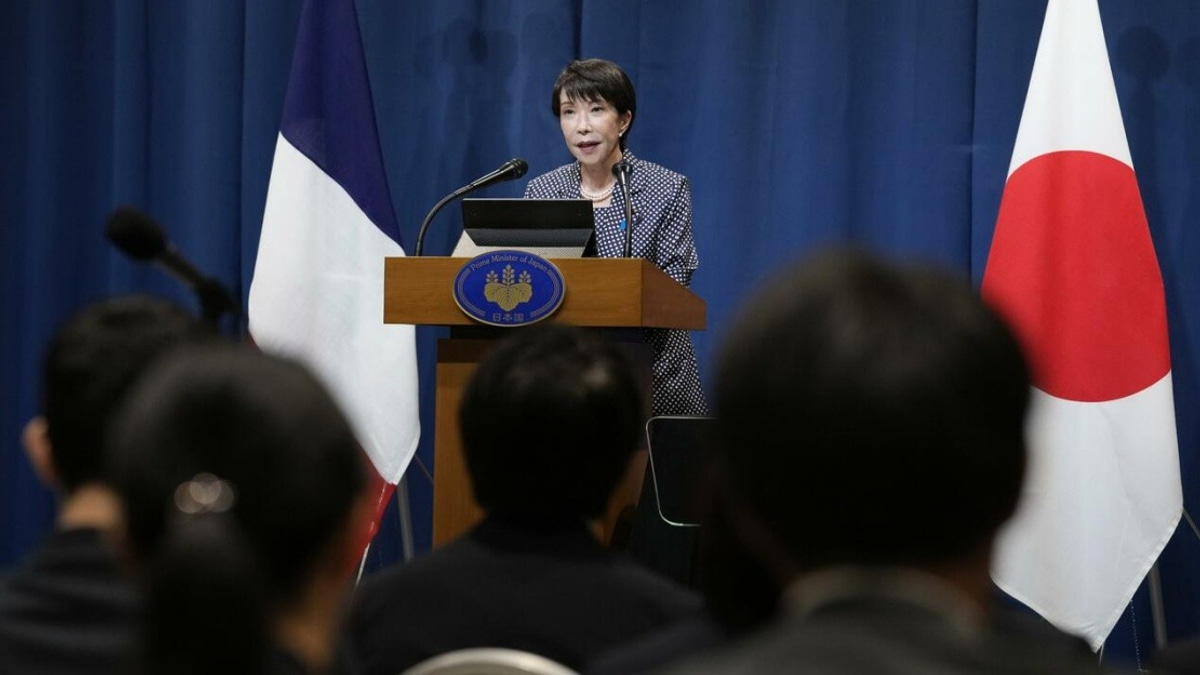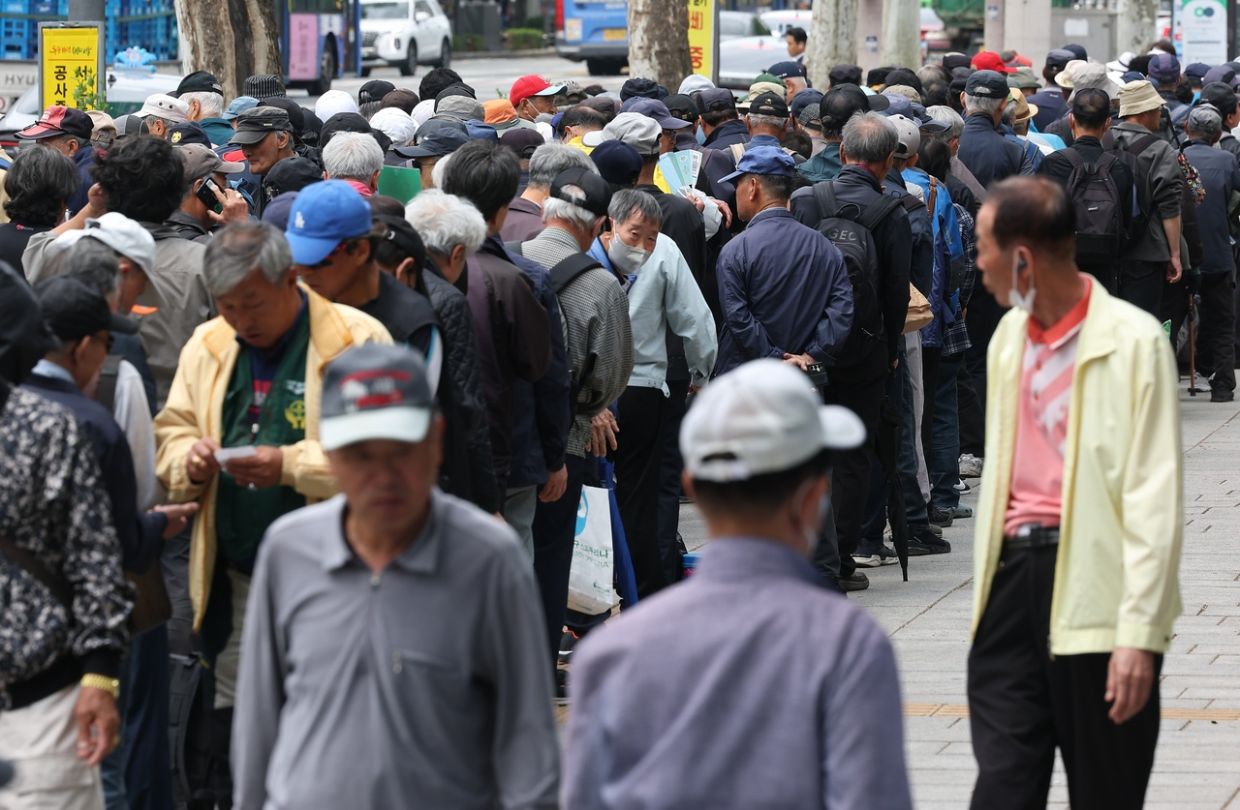
Seoul's Metropolitan Council is advancing a proposal to extend transportation benefits to senior citizens by introducing free or heavily subsidised bus fares for those aged 70 and older, building on the city's existing free subway policy for residents aged 65 and above. The ordinance, championed by Seoul Metropolitan Council Transportation Committee Chair Lee Byeong-yoon of the People Power Party, cleared committee review on Monday and faces a plenary council vote scheduled for Wednesday, with the measure intended to fulfil a campaign promise by Seoul Mayor Oh Se-hoon during June's local elections. The proposed subsidy would apply to ordinary city and neighbourhood buses but deliberately exclude express services and intercity routes, narrowing its scope to address daily commuting patterns among the elderly.
The timing of this initiative reflects mounting awareness that Seoul's current transportation subsidy structure leaves significant gaps in coverage for seniors. While passengers aged 65 and over enjoy unrestricted free subway access across the metropolitan rail system, bus services remain a paid service, creating a two-tier system that disadvantages older residents living outside major transit corridors or dependent primarily on surface buses for mobility. Proponents argue this inconsistency places particular hardship on pensioners with limited incomes who must choose between buses and other essential expenses, particularly those residing in peripheral neighbourhoods where subway stations are sparse or distant.
Seoul is not pioneering this approach in South Korea. The northeastern city of Daegu has already begun rolling out free bus rides for seniors, having launched the scheme in 2023 with plans to progressively lower the eligibility threshold from 75 to 70 by 2028. Daejeon offers universal free bus rides to residents aged 70 and older, while Incheon is preparing to launch comparable benefits for those aged 75 and above later this year. These neighbouring initiatives demonstrate both the political appeal and practical feasibility of such programmes, yet they also highlight divergent implementation strategies and cost-control mechanisms that Seoul must carefully evaluate.
The central obstacle to expansion is cost, with projections painting a sobering fiscal picture. The Seoul Metropolitan Council Secretariat estimates that providing universal bus-fare subsidies to all residents aged 70 and older would require approximately 104.7 billion won—roughly US$68 million—in the first year alone, assuming the programme commences in 2027. More concerning are long-term projections: as Seoul's population aged 70 and above expands from approximately 1.27 million currently to an estimated 1.63 million by 2031, annual programme costs are projected to escalate to 127.5 billion won. Over a five-year implementation period, total expenditure could reach nearly 579 billion won, representing a substantial new commitment for a municipal budget already strained by other obligations.
These costs emerge against a backdrop of severe existing financial pressures within Seoul's transportation system. The city currently sustains a semipublic bus network through substantial annual compensation to private operators covering their operating shortfalls, with the municipal government disbursing more than 450 billion won annually to bus companies. Additionally, recent court rulings regarding ordinary wage classifications are expected to increase labour costs throughout the bus industry, potentially forcing the city to raise operator subsidies further. This mounting burden has created scepticism among fiscal conservatives who question whether Seoul possesses sufficient budgetary capacity to absorb yet another large transportation entitlement.
Seoul Metro itself has become an increasingly vocal advocate for fiscal restraint, repeatedly emphasising that existing free-ride policies are among the primary drivers of its operational deficits. The public transport operator reports that free fares provided to seniors, individuals with disabilities, and national merit recipients generated average annual losses of 364.5 billion won over the past five years, with losses surging to 448.8 billion won in 2025 alone. The organisation has persistently called on the central government to assume greater responsibility for these costs, arguing that municipal coffers cannot indefinitely cover transportation losses of this magnitude. Seoul Metro's financial crisis has intensified scrutiny of any new senior benefit proposals.
Policy experts have raised broader concerns about the political economy of welfare expansion. Sohn Jong-pil, a senior researcher at the Fiscal Reform Institute, cautions that transportation subsidies, once implemented, become extremely difficult to eliminate or reduce due to political pressure and public expectations. He emphasises that introducing such programmes requires policymakers to exercise exceptional caution, warning that expanding support without simultaneously strengthening oversight of the semipublic bus system's operational efficiency and accountability represents an incomplete approach to addressing transportation challenges. The observation reflects Seoul's experience: once benefits become entrenched, reversing them creates substantial political backlash regardless of fiscal necessity.
Proponents of the measure counter that current cost projections may substantially overestimate actual financial impact by assuming the most expansive implementation scenario. Critically, the ordinance does not mandate immediate universal free rides for all residents aged 70 and older; rather, it establishes a legal framework permitting the city to tailor eligibility criteria, benefit levels, and programme scope according to evolving fiscal conditions. This flexibility provides Seoul with considerable latitude to target benefits strategically—beginning perhaps with low-income seniors, implementing trip caps or time-of-day restrictions, limiting participation through registration requirements, or offering partial fare discounts rather than completely free service. Such tiered approaches could substantially reduce costs while still providing meaningful relief to the most vulnerable elderly populations.
A Seoul city official characterised the ordinance as primarily foundational, establishing institutional architecture rather than mandating specific implementation details. This interpretation suggests the council vote represents approval of the concept rather than commitment to immediate full-scale deployment. By divorcing the legislative framework from immediate budgetary obligations, the city could secure the authority to implement benefits while deferring actual programme launch and design decisions pending further fiscal analysis and negotiation with transport operators. However, this approach risks establishing an expectation that benefits will eventually be introduced, potentially limiting future flexibility.
The debate surrounding Seoul's proposal illustrates the tensions inherent in ageing urban societies where demographic shifts collide with fiscal constraints. South Korea faces one of the world's most rapidly ageing populations, with profound implications for public spending on healthcare, pensions, and social services across all governance levels. Seoul's council, representing a metropolitan area with 21.2 per cent of its population aged 65 and above, confronts mounting pressure to expand senior benefits precisely when existing programmes generate mounting deficits. The city must navigate between legitimate senior needs for accessible transportation and legitimate fiscal concerns about sustainability.
Regional governments throughout East and Southeast Asia watch Seoul's deliberations with keen interest, as many face comparable demographic and budgetary challenges. Malaysia, with its own rapidly ageing population and urban transport systems increasingly reliant on subsidies, may encounter similar proposals for expanded senior transportation benefits. The Seoul case demonstrates both the political attractiveness of such initiatives and the substantial fiscal risks they entail, suggesting that careful programme design, targeted eligibility, and realistic cost projections are essential before implementation.
The Metropolitan Council's scheduled plenary vote will determine whether the ordinance advances to implementation phase or faces rejection. Either outcome will carry significance beyond Seoul: approval signals metropolitan governments' willingness to expand senior entitlements despite fiscal pressures, while rejection would emphasise fiscal constraints' predominance in limiting new welfare commitments. Observers will scrutinise not only the vote outcome but also how Seoul eventually designs the programme—if approved—as a crucial test of whether demographic pressures ultimately overwhelm fiscal discipline in Asian urban governance.