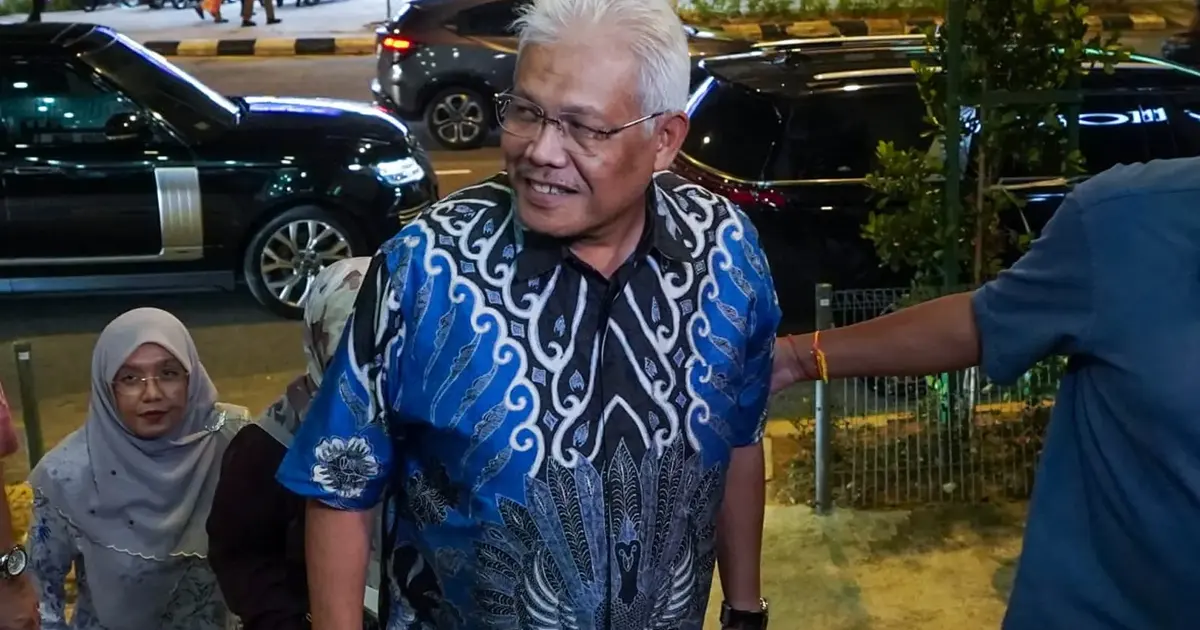
Senior opposition figure Hamzah Zainudin was among a group of lawmakers spotted entering PAS headquarters this week, in a development that underscores the turbulent political realignment currently unfolding within Malaysia's opposition camp. The presence of multiple MPs at the Islamic party's office comes at a particularly significant moment for Perikatan Nasional, as the coalition grapples with internal fractures and strategic reassessment in the aftermath of a decisive break between two of its key components.
The timing of this gathering carries considerable weight in the context of recent developments within PN. Last week's decision by PAS to formally sever its political alliance with Bersatu marked a watershed moment for the coalition, which had positioned itself as a significant force in Malaysian politics since 2020. This rupture has created a period of flux and strategic repositioning among opposition parties, with various factions now calculating their political futures and exploring alternative arrangements.
PAS, as Malaysia's largest Islamic party by membership and electoral influence, wields substantial leverage in coalition negotiations. The party's decision to distance itself from Bersatu reflects deeper disagreements over political strategy and governance priorities that had accumulated over the alliance's lifespan. Such high-profile visits to PAS headquarters by opposition figures suggest active behind-the-scenes discussions aimed at either consolidating remaining alliances or forging new political arrangements in the fractured opposition landscape.
Hamzah Zainudin's participation in these discussions is particularly noteworthy given his prominence within opposition circles. As a veteran politician and experienced parliamentarian, his presence signals that substantive political negotiations may be underway rather than mere courtesy calls. The involvement of multiple MPs alongside Hamzah suggests coordinated political activity rather than isolated visits, pointing to organised efforts to shape the opposition's institutional future.
The broader context of these meetings reflects the constant flux that characterises Malaysian coalition politics, where shifting allegiances and strategic realignments occur with regularity. Opposition parties operate within an environment where parliamentary mathematics and electoral viability depend heavily on maintaining functional alliances, even when ideological or organisational differences create friction. The present moment represents a critical juncture where parties must make consequential decisions about their political positioning.
For PAS specifically, the independence it has recovered from Bersatu may offer strategic advantages in terms of policy autonomy and leadership prerogatives. However, it also presents challenges in terms of electoral competitiveness and political relevance in a parliamentary context where coalitional strength determines leverage. How PAS chooses to utilise this newfound independence will significantly influence the broader opposition landscape and potentially reshape parliamentary dynamics.
The heightened political activity currently evident within opposition circles mirrors historical patterns in Malaysian politics where periods of coalition instability precede significant institutional rearrangements. Political observers have long noted that such moments of apparent chaos often generate new alignments that ultimately reflect the underlying interests and strategic calculations of various party leaders and factions. The next weeks and months will likely reveal the true objectives behind these high-level meetings.
For Malaysian voters and political analysts monitoring opposition developments, these internal movements carry implications extending beyond factional maneuvering. The strength and coherence of the opposition ultimately affects the competitive dynamics of Malaysian democracy and the electorate's choices during general elections. A fragmented opposition may struggle to present a unified alternative to the government, while a consolidated opposition provides clearer electoral choices for voters.
PAS's break from Bersatu also reflects the philosophical and strategic differences that have long characterised these two parties. Bersatu, initially conceived as a multiethnic coalition vehicle, and PAS, representing Islamist politics, have never been entirely comfortable allies despite their shared opposition status. The rupture formalises what had become an increasingly untenable partnership, potentially allowing both parties greater strategic clarity in pursuing their respective political objectives.
The presence of multiple opposition MPs at PAS headquarters indicates that discussions likely extend beyond bilateral arrangements between two parties. Rather, these gatherings probably involve broader explorations of coalition possibilities and political alignments that could reshape Malaysia's parliamentary opposition for the medium term. Such meetings frequently involve testing alignment possibilities, exploring potential policy areas of agreement, and assessing the feasibility of various cooperative arrangements.
Moving forward, observers should monitor how PAS positions itself in relation to other opposition parties, particularly Pakatan Harapan, and whether these ongoing discussions produce formal new alliances. The decisions made during this period of heightened political activity will likely reverberate through Malaysian politics for years to come, affecting everything from parliamentary voting patterns to the opposition's capacity to present coherent policy alternatives to the government.

%22%2F%3E%3C%2Fpattern%3E%3C%2Fdefs%3E%3Crect%20width%3D%22100%25%22%20height%3D%22100%25%22%20fill%3D%22url(%23ph21o2sg)%22%2F%3E%3Crect%20width%3D%22100%25%22%20height%3D%22100%25%22%20fill%3D%22url(%23ph21o2sp)%22%2F%3E%3Ctext%20x%3D%2250%25%22%20y%3D%2250%25%22%20text-anchor%3D%22middle%22%20dominant-baseline%3D%22central%22%20fill%3D%22rgba(255%2C255%2C255%2C0.95)%22%20font-family%3D%22Georgia%2C%20'Times%20New%20Roman'%2C%20serif%22%20font-weight%3D%22700%22%20font-size%3D%22170%22%20letter-spacing%3D%22-0.02em%22%3EGabungan%3C%2Ftext%3E%3C%2Fsvg%3E)