Malaysia's ongoing struggle with corruption has ensnared figures from every sector of society, and the latest chapter involves an official from a prominent civil society organisation. When Fakhrudin Abd Karim, who served as a committee member at Pertubuhan Ikram Malaysia, appeared at Shah Alam Sessions Court on Tuesday to face 158 charges of abuse of position for personal gain, it thrust into the spotlight a question that has long vexed policymakers and observers: how well do non-governmental organisations safeguard the public trust placed in them?
The scale of the allegations is staggering. Over a five-year period, Fakhrudin allegedly exploited his position repeatedly to secure improper benefits, with each incident captured as a separate charge. This pattern suggests not a single lapse in judgment, but rather a sustained scheme that management systems either failed to detect or were insufficiently robust to prevent. The sheer number of counts underscores how easily misconduct can accumulate within organisations lacking adequate checks and balances.
The significance of this case extends beyond the individual defendant. Pertubuhan Ikram Malaysia occupies a meaningful space in Malaysia's civil society landscape, engaging in social advocacy and community programmes. When a committee member at such an organisation is implicated in systematic abuse of position, it ripples through the entire NGO sector, prompting uncomfortable questions about governance standards across the board. Unlike private companies or government agencies, many NGOs operate with less visibility and fewer formal audit requirements, creating potential gaps in accountability.
Public funding, whether through government grants, private donations, or public contributions, carries with it an implicit social contract. Citizens and donors entrust these resources to organisations based on the assumption that officials will act with integrity and in accordance with their mandates. When that trust is breached, especially on such a scale, it damages public confidence not just in the specific organisation but in the broader ecosystem of civil society. This erosion of trust can hamper the vital work that legitimate NGOs undertake across education, healthcare, social welfare, and human rights.
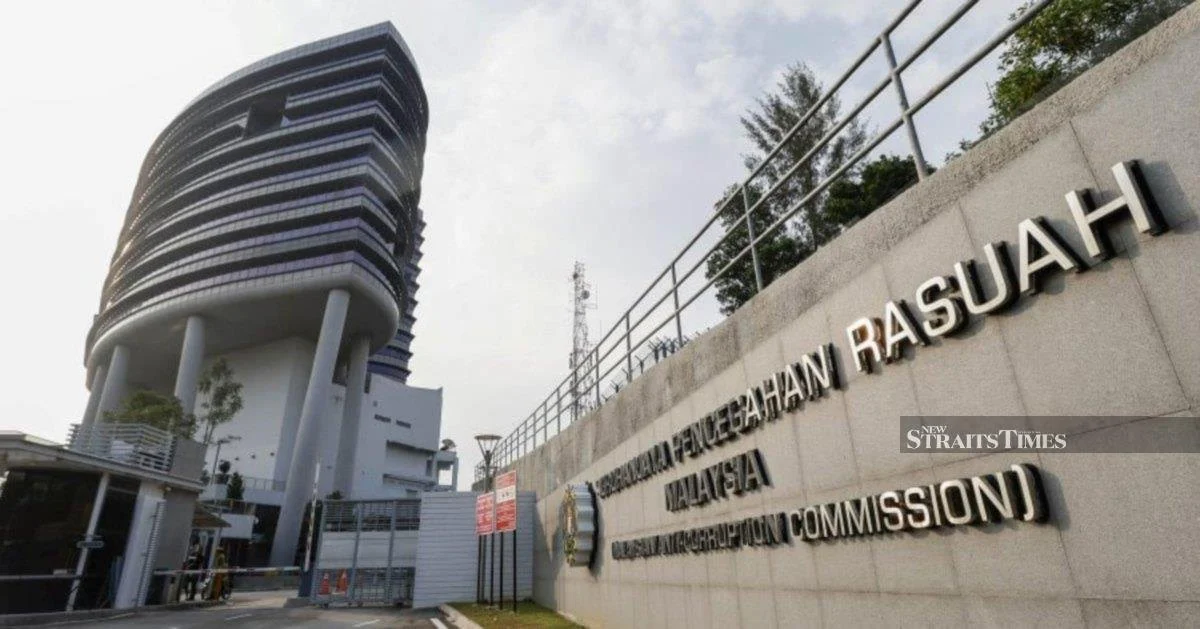
The investigation and prosecution of this case reflects efforts by Malaysia's anti-corruption authorities to cast their net widely. The Malaysian Anti-Corruption Commission has in recent years moved beyond targeting government officials and corporate executives to scrutinise NGO leadership, recognising that graft knows no institutional boundaries. Such prosecutorial attention, while necessary, also highlights a troubling reality: that the nation's corruption problem is sufficiently pervasive to touch every sector.
For Malaysian readers and observers, the implications are particularly relevant given the increasing role NGOs play in social service delivery and advocacy, especially in areas where government provision may be limited. If such organisations become vehicles for personal enrichment, their effectiveness diminishes and vulnerable populations depending on their services suffer. Moreover, donors—whether individual Malaysians or international bodies—must now factor corruption risk into their decision-making about where to direct funds.
The case also prompts reflection on governance structures within NGOs themselves. Many operate as membership-based organisations with volunteer-heavy management. While this model fosters grassroots participation, it can lack the professional oversight infrastructure found in larger corporate or public institutions. Committee members may handle finances, procurement decisions, or programme administration without robust documentation or segregation of duties. Training in governance, transparency practices, and conflict-of-interest protocols is often inadequate or absent.
Regionally, Malaysia is not alone in grappling with NGO accountability. Throughout Southeast Asia, civil society organisations have grown dramatically in number and influence, yet regulatory frameworks have struggled to keep pace. This case may prompt authorities across the region to examine their own oversight mechanisms and consider whether current registration, audit, and accountability requirements are sufficient.
Moving forward, this prosecution may serve as a catalyst for change. NGO umbrella organisations and networks could strengthen peer-accountability mechanisms, establish best-practice standards for governance, and encourage transparency beyond legal minimums. Government regulators might review whether existing registration and compliance frameworks adequately protect the integrity of the sector. Donors, both institutional and individual, may begin to impose stricter due diligence requirements on grant recipients.
The story of Fakhrudin Abd Karim is ultimately about more than one individual's alleged misconduct. It is a commentary on systemic vulnerabilities in how Malaysia's civil society is governed and monitored. As the court proceedings unfold and evidence emerges, Malaysians will be watching not just to see whether justice is served, but to understand what institutional lessons can be drawn to prevent similar breaches of public trust in the future.
For a nation working to rebuild public confidence in institutions, the outcome of this case carries weight beyond the courtroom. It will signal whether Malaysian society has developed sufficiently robust mechanisms to hold accountable those in every sector—government, business, and civil society alike—who betray the trust placed in them.

%22%2F%3E%3C%2Fpattern%3E%3C%2Fdefs%3E%3Crect%20width%3D%22100%25%22%20height%3D%22100%25%22%20fill%3D%22url(%23ph21o2sg)%22%2F%3E%3Crect%20width%3D%22100%25%22%20height%3D%22100%25%22%20fill%3D%22url(%23ph21o2sp)%22%2F%3E%3Ctext%20x%3D%2250%25%22%20y%3D%2250%25%22%20text-anchor%3D%22middle%22%20dominant-baseline%3D%22central%22%20fill%3D%22rgba(255%2C255%2C255%2C0.95)%22%20font-family%3D%22Georgia%2C%20'Times%20New%20Roman'%2C%20serif%22%20font-weight%3D%22700%22%20font-size%3D%22170%22%20letter-spacing%3D%22-0.02em%22%3EGabungan%3C%2Ftext%3E%3C%2Fsvg%3E)