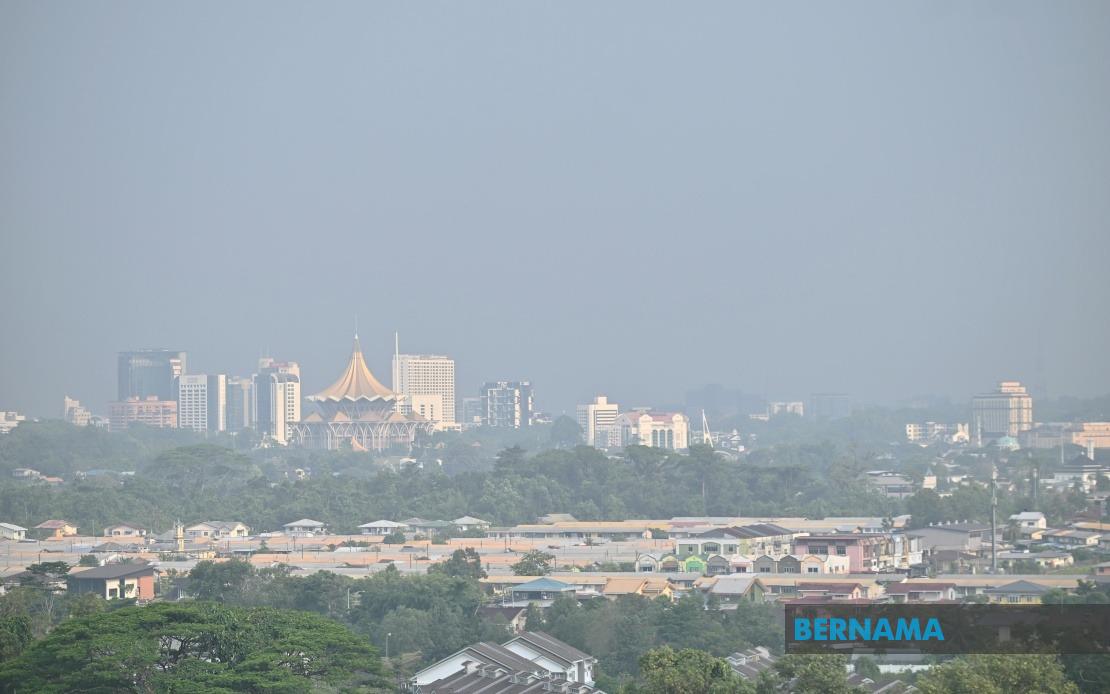
The Malaysian Meteorological Department has warned that Sarawak and surrounding regions of Borneo face an extended period of hot, dry weather lasting until August 20, creating conditions ripe for haze formation and compromised air visibility, particularly across the state's southern districts. The forecast, issued on August 14, underscores a meteorological pattern that has been gaining intensity across the island of Borneo and poses mounting challenges for residents and economic activities across the region.
The prolonged heat spell is being driven by two interconnected atmospheric factors that are reinforcing one another. Southerly wind patterns are channelling warm, moisture-depleted air across Sarawak, whilst the persistence of numerous fire hotspots throughout Borneo continues to introduce smoke and particulates into the lower atmosphere. MetMalaysia's analysis indicates that this combination will remain entrenched at least until the third week of August, suggesting no imminent reprieve for the affected areas.
The air quality deterioration has already materialised across Malaysia's landscape. As of mid-morning on August 14, ten locations nationwide had registered Air Pollutant Index readings classified as unhealthy, according to readings from the Malaysian Air Pollutant Index Management System portal. The concentration of these unhealthy readings in Sarawak highlights the disproportionate impact the current weather pattern is inflicting on the state, with implications for public health extending across all age groups and vulnerable populations.
For Southeast Asia's broader region, such heat and haze episodes carry significant cross-border dimensions. Sarawak's geographical position and climate dynamics mean that transboundary smoke transport can affect neighbouring Indonesian territories and influence air circulation patterns across the wider Borneo region. The current episode reflects the recurring seasonal vulnerability that characterises the dry season in equatorial Southeast Asia, where vegetation fires can rapidly escalate air pollution across multiple jurisdictions regardless of political boundaries.
Simultaneously, MetMalaysia issued separate weather alerts for Malaysia's west coast and central regions, indicating the dynamic and spatially varied nature of the country's atmospheric conditions. The peninsula experienced thunderstorm and heavy rain warnings spanning the entirety of Perlis, Kedah, Penang and Kuala Lumpur, with extensions into several Perak districts including Kerian, Selama, Larut Matang, Manjung and Bagan Datuk. Selangor's warning coverage encompassed both coastal and inland areas—Sabak Bernam, Kuala Selangor, Klang, Petaling, Gombak and Hulu Selangor—reflecting the spatial unpredictability of convective weather systems during this transitional period.
These contrasting weather patterns across Malaysia illustrate the complexity of equatorial meteorology. Whilst Sarawak endures extreme heat and desiccation, the peninsula's west coast and central corridor are experiencing intensified convective activity, a dichotomy rooted in differing wind flow patterns and moisture availability. The thunderstorm warning, issued until 1 pm on August 14, represented a short-duration advisory, yet such warnings often extend when atmospheric conditions remain unstable.
For Malaysian businesses and economic sectors, the divergent regional weather presents both challenges and complications. Haze conditions in Sarawak threaten visibility-dependent industries including aviation, maritime transport and outdoor construction, whilst simultaneously creating health costs through respiratory complications. The thunderstorms across the peninsula, conversely, disrupt ground-based logistics and can affect agricultural operations, though they provide temporary cooling and moisture replenishment to drought-stressed regions.
Public health implications warrant particular attention given Malaysia's vulnerable demographic segments. Prolonged exposure to unhealthy air quality disproportionately affects children, elderly persons and individuals with pre-existing respiratory or cardiovascular conditions. The extended forecast through August 20 suggests sustained respiratory health risks, necessitating public awareness campaigns and targeted interventions to protect susceptible groups.
MetMalaysia has directed residents and stakeholders to consult its official channels for real-time meteorological updates, including its website, social media platforms and the myCuaca mobile application. This multi-channel advisory dissemination reflects recognition that weather information accessibility shapes public preparedness and decision-making across sectors ranging from healthcare to transportation to emergency management.
The persistence of regional hotspots in Borneo represents a critical variable determining heat spell duration and intensity. Should fire management efforts fail to contain existing hotspots or prevent new ignitions, the haze situation could intensify beyond current meteorological projections. Conversely, earlier-than-expected wind pattern shifts could provide relief sooner than the August 20 forecast suggests. This uncertainty underscores the importance of continuous meteorological monitoring and adaptive public communication as conditions evolve throughout the forthcoming week.

