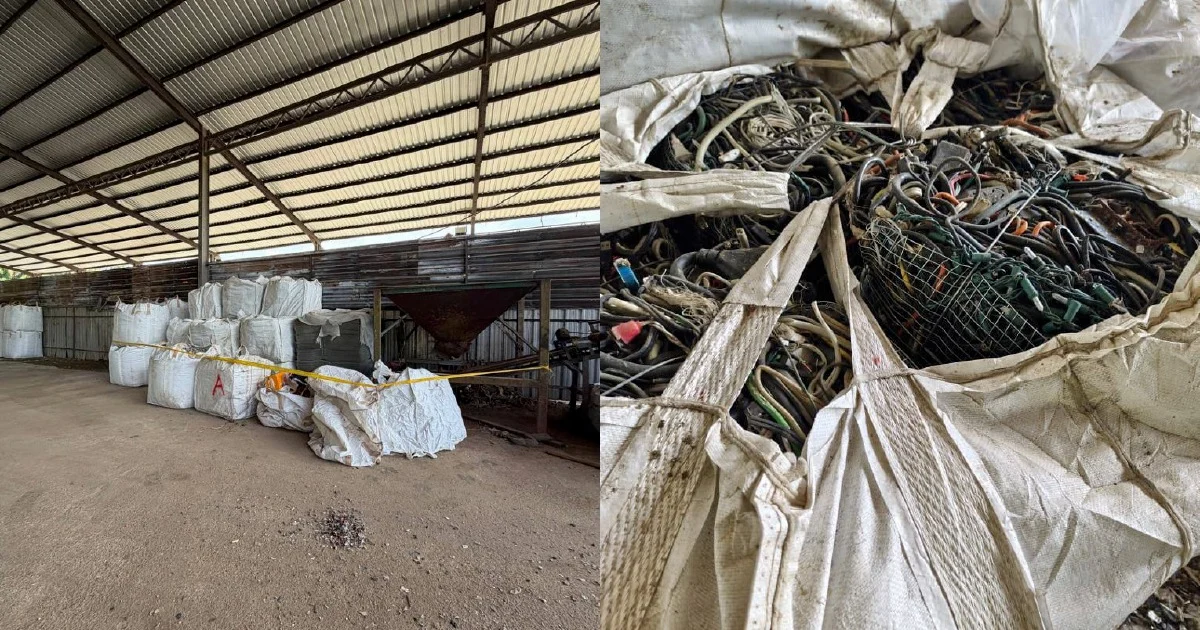
A coordinated enforcement operation in Bukit Mertajam has netted one of the region's larger seizures of illegally processed electronic waste, with authorities recovering materials valued at roughly RM3 million during yesterday's raid. The operation, targeting an unlicensed facility engaged in both processing and stockpiling e-waste, resulted in the detention of five individuals suspected of involvement in the scheme, marking an intensification of efforts to combat the growing environmental hazard posed by improper waste management across Malaysia.
The raid on the Bukit Mertajam facility represents a significant blow to illegal e-waste operations that have proliferated in Peninsular Malaysia despite increased regulatory scrutiny. Such facilities pose dual threats—environmental contamination through leaching of heavy metals like lead, mercury, and cadmium into soil and groundwater, and occupational hazards for workers exposed to toxic materials without proper protective equipment. The scale of the seizure underscores how lucrative these underground operations have become, attracting criminal networks willing to operate beyond regulatory frameworks to maximize profits.
Illegal e-waste processing has become an entrenched problem across Malaysia's manufacturing heartland, with Penang state particularly vulnerable due to its concentration of electronics manufacturing and proximity to informal recycling networks. Unlike licensed facilities that invest in containment systems, pollution control equipment, and worker safety protocols, illegal operations typically employ rudimentary methods—burning circuit boards to extract precious metals, using open dumping for non-recoverable waste, and exposing workers to carcinogenic fumes and sharp hazards. The five detainees now face investigations that could result in charges under environmental protection legislation.
The materials recovered during yesterday's operation likely include discarded computer hardware, mobile phone components, circuit boards containing recoverable metals, and other electronic equipment at the end of its functional lifecycle. Electronic waste represents a paradox in the modern economy: while it contains valuable materials such as gold, silver, and rare earth elements worth recovering, the extraction process requires specialized infrastructure and expertise. Illegal operators capitalize on the gap between the material value embedded in e-waste and the cost of compliant processing, undercutting licensed recyclers who must comply with environmental and labour standards.
This Bukit Mertajam operation likely supplied regional markets with materials recovered through illicit means. Investigators will be examining supply chains to determine where the confiscated e-waste originated—whether from domestic sources, neighboring countries, or imported containers disguised as legitimate shipments. Malaysia has faced persistent pressure as a transshipment hub for global e-waste, with containers frequently misdeclared as scrap metal or plastic waste to evade detection at ports. The domestic component of this illicit trade remains poorly quantified, though the volume of e-waste generated locally continues rising as consumer electronics become more disposable and upgrading cycles accelerate.
The crackdown reflects evolving enforcement strategies by Malaysian environmental and customs authorities, supported by intelligence-sharing arrangements and improved detection technologies. However, capacity constraints continue limiting the frequency and geographic reach of such operations. Bukit Mertajam's location on main transport corridors connecting ports to manufacturing zones and major population centers makes it an attractive base for illegal operations seeking rapid distribution networks. The raid itself represents a concentrated effort likely triggered by intelligence tips, community complaints, or systematic monitoring of known hotspots.
Environmental implications of the Bukit Mertajam facility extend beyond the immediate facility location. Improper processing contaminates soil and water supplies, affecting agricultural productivity and drinking water safety in surrounding communities. The Muda Agricultural Development Authority region, which encompasses parts of Perlis and Kedah nearby, depends on pristine water resources—unauthorized e-waste processing upstream threatens crop viability and public health. Chronic low-level exposure to heavy metals from contaminated groundwater disproportionately affects rural populations with limited access to alternative water sources.
From a circular economy perspective, Malaysia's legitimate e-waste recycling industry remains underdeveloped relative to volumes generated. Licensed processors struggle with operational costs and inconsistent supply of properly sorted materials, making them price-uncompetitive against illegal operators offering rapid cash transactions with no questions asked. Strengthening the formal recycling sector through extended producer responsibility schemes, mandatory deposit systems, and consumer awareness campaigns could gradually shift volumes from illegal to regulated channels—but such transitions require sustained policy commitment and manufacturer participation.
The case highlights recurring vulnerabilities in Malaysia's waste management infrastructure. Facilities can operate visibly in industrial areas for extended periods before detection, suggesting insufficient neighborhood surveillance or delayed response mechanisms. Landlords and property owners sometimes claim ignorance of tenant activities, complicating accountability chains. Establishing formal e-waste collection points at major retailers and service centers, coupled with simplified licensing for processors handling volumes below industrial thresholds, might incentivize formalization of currently informal operations.
Looking ahead, the detained individuals will likely face charges under the Environmental Quality Act or Occupational Safety and Health Act, depending on investigation findings. Conviction sentences have historically ranged from fines to imprisonment, though cases frequently involve plea bargains reducing penalties. The confiscated materials will be disposed through licensed facilities or exported to certified international recyclers, adding to Malaysia's treatment costs. Authorities have signaled continued enforcement focus on major processing hubs, particularly in Peninsular Malaysia's industrial corridors where geographic concentration of manufacturing creates vulnerability to exploitation by criminal networks seeking operational efficiency through proximity to supply and distribution networks.

%22%2F%3E%3C%2Fpattern%3E%3C%2Fdefs%3E%3Crect%20width%3D%22100%25%22%20height%3D%22100%25%22%20fill%3D%22url(%23ph21o2sg)%22%2F%3E%3Crect%20width%3D%22100%25%22%20height%3D%22100%25%22%20fill%3D%22url(%23ph21o2sp)%22%2F%3E%3Ctext%20x%3D%2250%25%22%20y%3D%2250%25%22%20text-anchor%3D%22middle%22%20dominant-baseline%3D%22central%22%20fill%3D%22rgba(255%2C255%2C255%2C0.95)%22%20font-family%3D%22Georgia%2C%20'Times%20New%20Roman'%2C%20serif%22%20font-weight%3D%22700%22%20font-size%3D%22170%22%20letter-spacing%3D%22-0.02em%22%3EGabungan%3C%2Ftext%3E%3C%2Fsvg%3E)