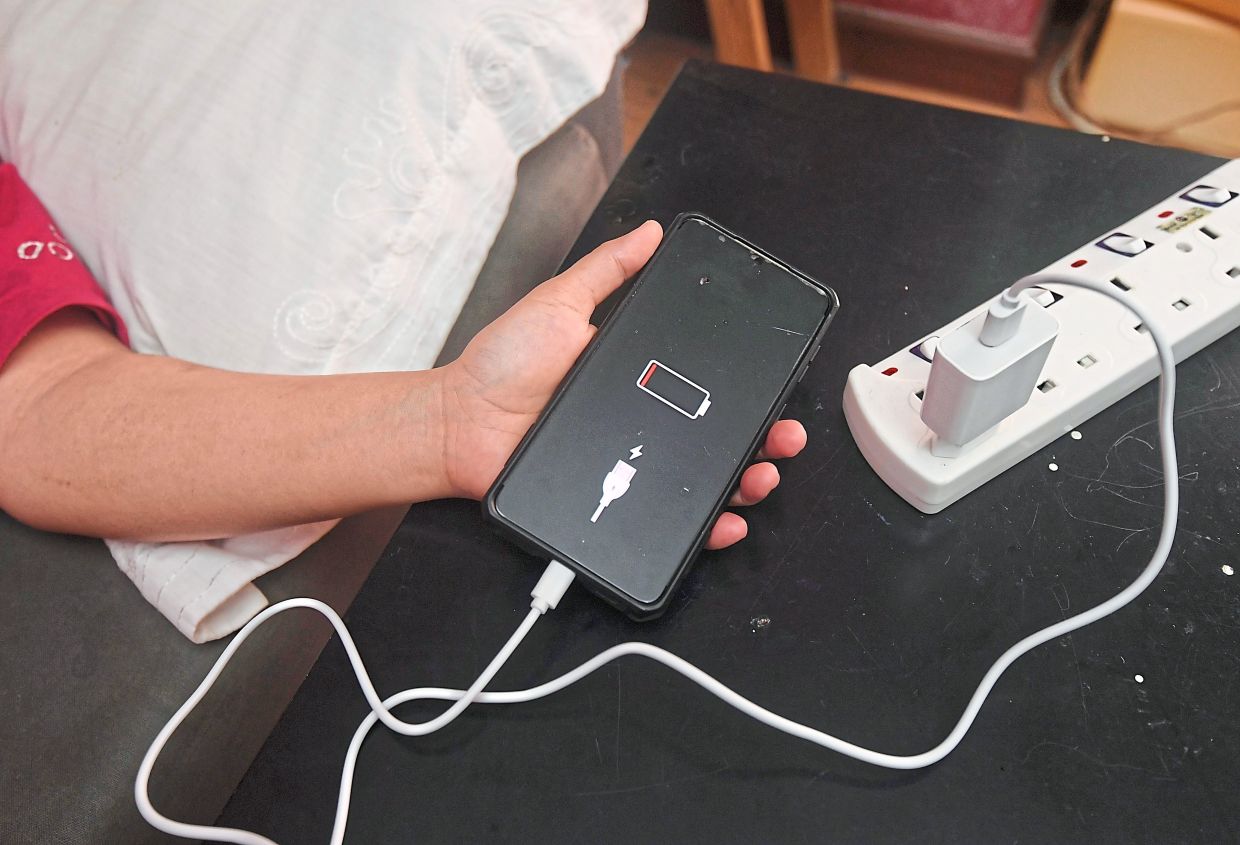
Malaysia's fire service has sounded a stark warning about the mounting financial and safety toll of careless device charging practices at home, revealing that fires linked to unsafe charging have destroyed nearly RM14.2 million worth of property across the nation over the past three years. The Jabatan Bomba dan Penyelamat Malaysia (JBPM) documented 59 separate incidents from 2023 to 2025, each one representing not merely a financial loss but a potential tragedy narrowly avoided. The absence of reported fatalities during this period should not mask a troubling reality: Malaysian households are engaging in daily habits that routinely trigger catastrophic fires, yet awareness of these dangers remains dangerously low.
The geographical distribution of these incidents paints a concerning picture of uneven fire risk across Malaysian states. Sarawak bore the heaviest burden, accounting for approximately RM9.7 million in damages across 11 cases—nearly 69 percent of the national total. This concentration underscores how device charging fires are not uniformly distributed and suggests that regional factors, whether tied to property construction standards, electrical infrastructure, or consumer behaviour, may amplify risk in certain areas. Kelantan followed with RM1.14 million from 17 cases, while Sabah recorded RM806,800 across just three incidents. The remaining affected states—Selangor, Penang, Johor, Putrajaya, Melaka, Terengganu, and Perak—each experienced smaller but nonetheless significant losses. Notably, six states and the federal territories of Kuala Lumpur and Labuan reported no incidents during the review period, though this absence may reflect incomplete reporting rather than genuine immunity.
The true complexity of these fires cannot be reduced to simple statistics. The fire department emphasises that each incident demands painstaking investigation because fires originating from device charging present distinct forensic challenges. Unlike fires with obvious causes, device-related blazes require investigators to examine multiple compounding factors simultaneously: the specific location where the device was charging, the make and certification status of the charger itself, the condition of physical evidence often partially destroyed by heat and flames, environmental hazards that impede investigation, and the technical data that must be extracted and analysed. Some of the most resource-intensive cases are paradoxically not those resulting in the largest monetary losses, but rather those requiring exhaustive technical forensics to establish causation beyond doubt. This reality suggests that the documented RM14.2 million figure may substantially underestimate the true cost when accounting for investigative resources, emergency response expenditure, and indirect economic impacts on affected families and communities.
Investigations by JBPM have identified a cluster of dangerous charging behaviours that appear repeatedly across incidents. Leaving devices plugged in overnight without supervision emerges as perhaps the most prevalent risky practice, transforming bedside tables and living rooms into potential ignition zones during the hours when residents cannot intervene. The use of uncertified chargers and cables—often purchased because they cost a fraction of authentic alternatives—creates a hidden vulnerability in households throughout the country. Equally hazardous is the common habit of charging devices atop soft furnishings such as mattresses, pillows, sofas, and blankets, which are inherently flammable and can trap heat around the charging apparatus. Additional risk factors include the overloading of power strips, a temptation that grows as households accumulate more electrical devices, and the continued use of visibly damaged equipment displaying warning signs such as battery swelling, excessive heat generation, burning odours, or frayed cables.
The root cause of these dangerous practices lies partly in consumer economics and partly in information deficits. Many Malaysians consciously choose cheaper, non-certified chargers and cables despite the safety risks they introduce, prioritising short-term savings over long-term security. This cost-consciousness drives a purchasing pattern that channels consumers toward equipment failing to meet established safety standards, dramatically increasing the likelihood of overheating, electrical short circuits, and ultimately, fire. The fire department's assessment suggests that public knowledge about these specific risks remains inadequate—Malaysians understand fire as a general hazard but may not appreciate how routine device charging has become a leading cause of domestic fires. This knowledge gap persists even as smartphones, tablets, and portable power banks have become ubiquitous in Malaysian homes, multiplying the number of daily charging events and thus the aggregate risk exposure across the population.
The financial consequences extend beyond property damage to encompass the broader economy. The RM14.2 million figure represents only direct losses to buildings and contents; it excludes the costs of emergency response, medical treatment for any injuries, temporary accommodation for displaced families, and the longer-term economic disruption when businesses or family income sources are destroyed. For a middle-income household, loss of possessions and shelter through fire can trigger cascading financial stress lasting years. At the national level, the cumulative impact of 59 fire incidents suggests that device charging represents an underestimated drain on economic productivity and household financial security. The concentration of losses in Sarawak raises questions about whether particular regional vulnerabilities—whether linked to electrical infrastructure, building standards, or consumer awareness—could be systematically addressed through targeted interventions.
The fire department has articulated clear guidance to reduce these risks, yet public adoption of safety measures appears inconsistent. Households should avoid charging devices on soft surfaces entirely, regularly inspect and promptly replace damaged sockets, cables, and adaptors, and refrain from leaving devices unattended while charging. Most importantly, consumers should prioritise chargers bearing SIRIM certification and other recognised safety approvals, recognising that the marginal cost difference compared to counterfeit alternatives represents affordable insurance against potentially catastrophic loss. This guidance is not theoretical: it reflects patterns observed across the 59 documented incidents and synthesises lessons from fire investigation experience accumulated over multiple years.
JBPM has committed to intensifying public awareness campaigns focused on device charging safety, expanding preventive outreach initiatives, and deepening cooperation with relevant agencies to shift consumer behaviour toward safer practices. This multi-pronged approach acknowledges that changing embedded household habits requires sustained, coordinated effort rather than isolated safety messaging. The fire department recognises that many Malaysians remain unaware of the specific risks posed by their charging routines and that awareness campaigns must make these risks tangible and memorable. Partnerships with consumer protection agencies, retailers, electrical standards bodies, and community organisations could amplify the reach and impact of these initiatives.
For Malaysian households and policymakers, the evidence points toward an urgent need for action. The RM14.2 million in documented losses over three years represents not an anomaly but a steady-state problem reflecting systemic gaps in consumer knowledge, product safety standards enforcement, and household risk management. The absence of reported fatalities should not obscure the reality that fires originating from device charging are entirely preventable through behaviour change and product choice. As device ownership continues expanding and charging becomes increasingly central to daily life, the number of at-risk charging events grows correspondingly. Without intervention, the next three-year period could easily generate similar or greater losses. The pathway forward requires Malaysian consumers to recognise device charging not as a benign background activity but as a daily practice requiring deliberate safety attention, supported by national institutions committed to enforcing standards and communicating risks.

%22%2F%3E%3C%2Fpattern%3E%3C%2Fdefs%3E%3Crect%20width%3D%22100%25%22%20height%3D%22100%25%22%20fill%3D%22url(%23ph21o2sg)%22%2F%3E%3Crect%20width%3D%22100%25%22%20height%3D%22100%25%22%20fill%3D%22url(%23ph21o2sp)%22%2F%3E%3Ctext%20x%3D%2250%25%22%20y%3D%2250%25%22%20text-anchor%3D%22middle%22%20dominant-baseline%3D%22central%22%20fill%3D%22rgba(255%2C255%2C255%2C0.95)%22%20font-family%3D%22Georgia%2C%20'Times%20New%20Roman'%2C%20serif%22%20font-weight%3D%22700%22%20font-size%3D%22170%22%20letter-spacing%3D%22-0.02em%22%3EGabungan%3C%2Ftext%3E%3C%2Fsvg%3E)